

I’d recommend starting with three essential tools: a hand trowel for planting seedlings, pruning shears for trimming, and a spade for digging larger holes. Choose stainless steel blades with fiberglass handles—they resist rust and last longer than cheaper options. These versatile pieces handle most beginner tasks affordably. As your garden grows, you’ll discover which specialized tools matter most for your specific needs, so there’s no rush to buy everything upfront.
Key Takeaways
- Hand trowels, pruning shears, and spades form the essential foundation for most basic gardening tasks and projects.
- Stainless steel blades with fiberglass handles offer the best balance between durability, affordability, and long-term reliability for beginners.
- A watering can and basic hose allow consistent hydration of seedlings and garden beds without expensive irrigation systems.
- Start with versatile, durable pieces, then upgrade specific tools later as your gardening needs and experience evolve.
- Warranty length indicates tool quality; mid-range tools with longer warranties provide better value than cheap alternatives for beginners.
The Three Tools Every Beginner Needs First
When you’re starting your first garden, you don’t need to buy every tool at once; instead, focus on the three essentials that’ll handle most of your basic tasks. A hand trowel becomes your foundation for digging small holes and transplanting seedlings, especially when using seed starting trays. The stainless steel construction resists rust, while the ergonomic handle reduces strain during repetitive work. Second, pruning shears trim plants and harvest produce efficiently. Third, a spade or shovel digs larger holes and moves soil effectively. These three tools work together to establish your garden beds and maintain basic plant care. As you gain experience and consult a companion planting guide, you’ll understand which additional tools support specific gardening tasks.
Buying Smart: Materials, Durability, and Budget Trade-Offs
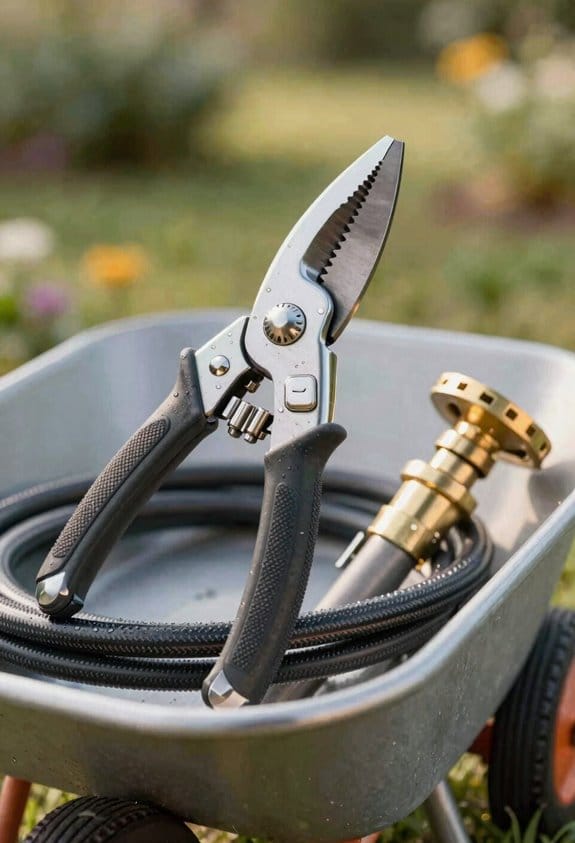
Once you’ve identified your three essential tools, your next decision involves choosing quality levels and materials that fit both your budget and long-term gardening plans. Stainless steel tools cost more upfront but resist rust and last longer than basic options. Fiberglass handles outlast wooden ones, offering better durability for frequent use. When comparing material choices, consider your gardening commitment and climate conditions.
Checking warranty length helps protect your investment. Premium tools often include longer warranties, sometimes covering defects for several years. Budget options typically offer shorter or no warranties. I recommend starting with mid-range tools featuring stainless steel blades and fiberglass handles. This approach balances affordability with reliability, letting you upgrade specific tools later as your gardening interests develop and your needs become clearer.
Recommended Products

TYPHON TERROR XVIII Prestige Mini Excavator – Two ton Trench Digger with aircon/heater cabin, 0.03 cbm Bucket – a Luxury Mini Excavator Machine For Garden, Farms, Parks, Roads – Ideal for Digging, Drilling, Bull-Dozing. Comes with FREE Hydraulic Thumb Clip
ITALIAN TRADITION: A flywheel slicer for home with an appearance inspired by models of the past. It ensures a perfect cut and features a vintage design with sophisticated finishes.
Digging Tools: Breaking Ground and Planting
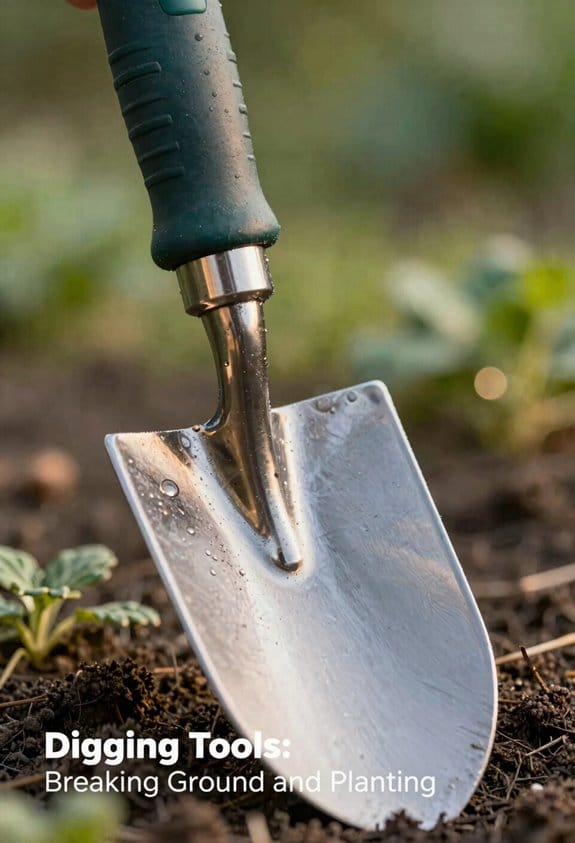
Digging tools form the backbone of any gardener’s toolkit, enabling you to prepare soil, create planting holes, and establish beds that’ll support your plants for seasons to come. Hand trowels, available in broad or narrow blade designs, work well for small planting tasks and raised beds where you need precision. Compact trowels fit easily in tight spaces without disturbing nearby plants. For larger projects, short-handled square spades serve as workhorses, while round-pointed shovels handle standard digging effectively. Stainless steel construction guarantees durability, and fiberglass handles outlast traditional wood. Whether you’re transplanting seedlings or establishing new garden areas, these digging tools provide the foundation for successful gardening. Starting with quality, appropriately-sized digging implements sets you up for long-term gardening success.
Recommended Products

HAND-E GARDEN SCOOP - Deeply dished and ideal for planting and transplanting small plants, vegetables, flowers, mixing soil and compost, or scooping fertilizer.

CUTCO Forever Guarantee provides for free sharpening and replacement forever.

CUTCO Forever Guarantee provides for free repair and replacement forever.
Cutting and Pruning Tools: Harvest and Maintenance
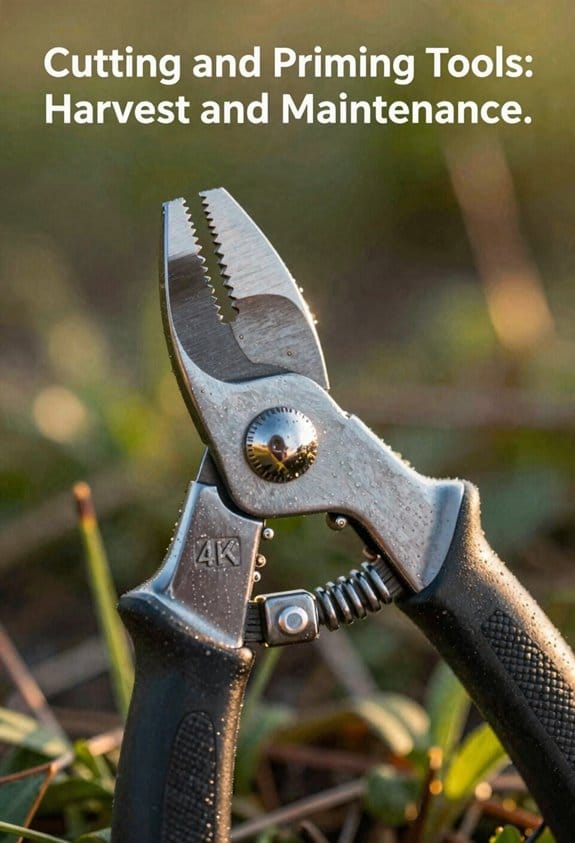
After you’ve prepared your soil and planted your seedlings with digging tools, you’ll need cutting and pruning tools to maintain your garden and harvest your produce. Hand pruners are essential for trimming plants and flowers, with precision snips and needlenose varieties accessing tight spaces easily. For thinning seedlings, micro shears work best, while ratchet pruners handle tougher stems requiring extra cutting force. Bonsai shears offer fine control for delicate work. Regular pruning shears manage daily maintenance tasks efficiently. These cutting tools come in various styles, so choosing ones that fit your hand comfortably matters for reducing strain during extended use. Quality pruning tools help you keep plants healthy and productive throughout the growing season.
Recommended Products
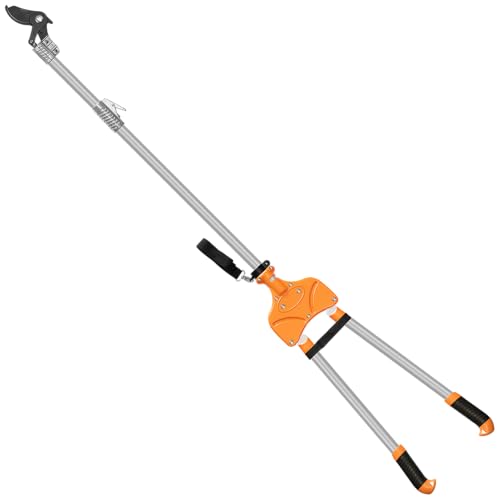
ZL630 Long Reach Telescopic Pruner extends to 96-Inch, offering high-reach access for trees, vines, and tall bushes.


Brand name: Zenport
Soil Prep and Weeding: The Heavy Lifters
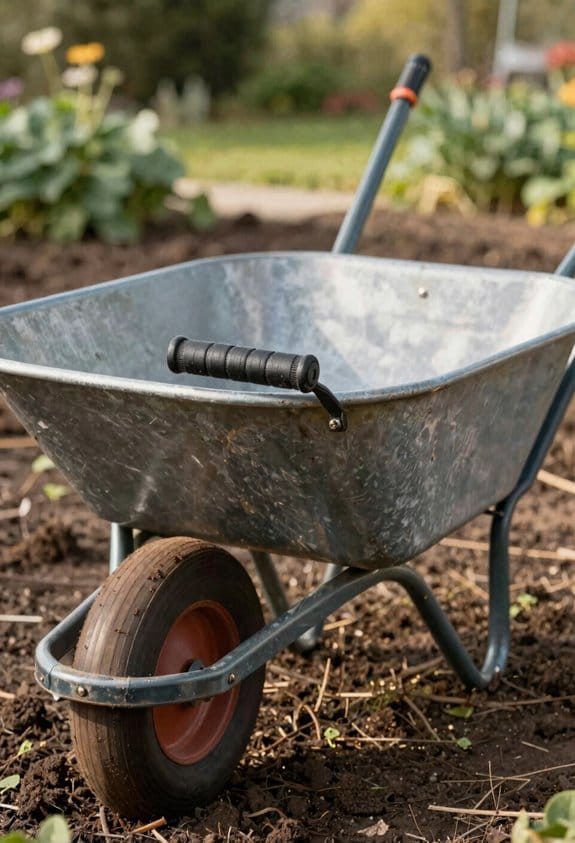
Preparing healthy soil and removing weeds requires tools designed for serious digging and sustained physical work, which I’ll help you understand so you can choose the right equipment for your garden’s needs. Spades with fiberglass handles and hardened steel blades handle heavy digging tasks effectively. Hoes and weeders target weeds that compete for nutrients and water through root competition, especially when you work post-rain when soil’s moist. For soil aeration, garden forks break up compacted earth and improve drainage. Stand-up weed pullers let you remove deep roots without bending repeatedly. Hand rakes level soil and prepare beds for planting. These tools form your foundation for creating nutrient-rich, weed-free growing spaces where your plants can thrive without unnecessary root competition from unwanted vegetation.
Recommended Products

【Powerful & Versatile Workhorse】 Tackle a massive range of projects with a robust 23 HP engine and an impressive 840 lb lifting capacity. This machine is your go-to for demanding tasks like lifting heavy pallets of pavers, moving large landscaping rocks, and hauling construction materials with ease.

60" 3 POINT TILLER CULTIVATOR: This 60" rotary tiller attachment fits Category 1, 3 Point tractors and skid steers to churn your soil into a fine, clod-free seedbed for planting.

ROLLER SPIKES: The drum spike aerator is equipped with spikes welded to the roller's surface. These spikes allow nutrients to be absorbed easier into the soil and provides optimum air exposure giving you the best lawn possible.
Carrying and Watering: The Overlooked Essentials
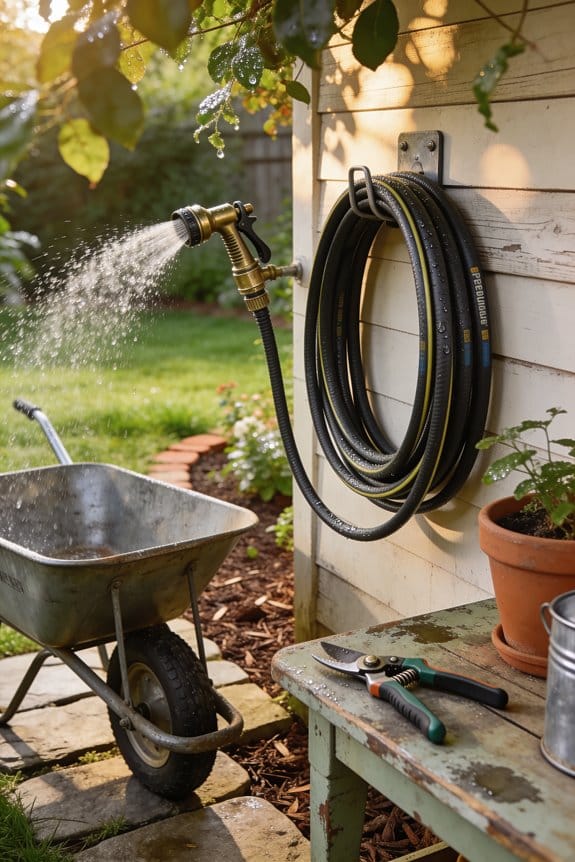
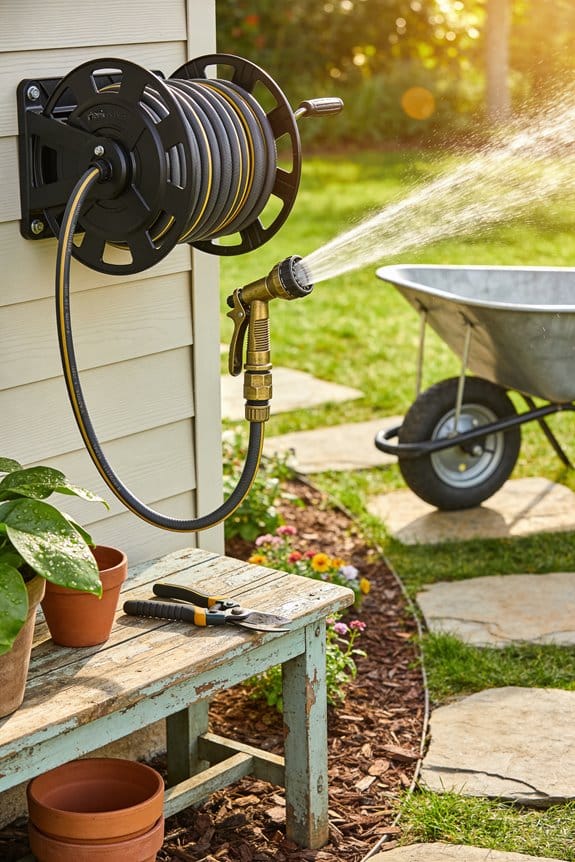
While soil preparation and weeding form the foundation of a healthy garden, moving materials and delivering water to your plants requires its own set of specialized tools that I’ll explain so you can work efficiently from planting through harvest. Wheelbarrows and garden carts transport soil, compost, and plants with minimal effort, while buckets handle smaller loads of harvests and tools. For watering, hoses with nozzles deliver water directly to the soil line, and hose storage solutions like shrinking models keep your yard organized. Consider drip irrigation systems for consistent, water-efficient watering. Watering cans provide gentler control for delicate seedlings. These carrying and watering tools streamline your gardening workflow considerably.
Recommended Products
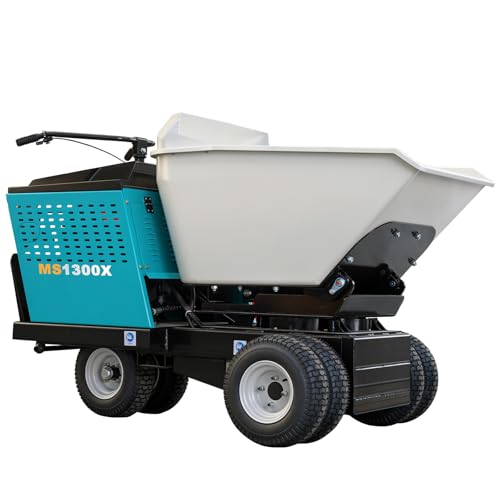
RIDE-ON POWER BUGGY: The operator can ride on the rear platform, so they don’t have to walk with the load or keep up with the machine's pace. And folding the platform, if the operator needs to walk behind the machine

Handles up to 2 tons with ease — perfect for hauling gravel, sand, soil, debris, and more.

【Powerful 6.5 HP Engine & 1100 lbs Load Capacity】 - Tackles the toughest jobs with ease. The engine delivers reliable power to haul heavy loads of gravel, soil, or construction materials, making it an indispensable workhorse for any demanding task.
Your First Season Budget: Spending Priorities
Starting your first garden requires smart spending decisions, since you’ll need to balance quality tools with your budget constraints. I’d recommend prioritizing essential hand tools like trowels, pruning shears, and a spade before investing in larger equipment. Budget-friendly accessories such as basic hoses and watering cans deliver excellent value without straining your finances. As you gain experience, you’ll develop a seasonal tool rotation strategy, acquiring specialized equipment when specific tasks demand it. Rather than purchasing everything immediately, I suggest starting with versatile, durable tools that handle multiple jobs. This approach lets you learn what you actually need before committing significant money. Quality matters more than quantity when you’re beginning, so invest in sturdy stainless steel or hardened steel tools that’ll withstand years of use.
Next Steps: Expanding Your Kit Beyond Basics
Once you’ve mastered the fundamentals with your basic tool collection, you’ll notice specific gardening tasks that your starter kit doesn’t quite handle as efficiently as you’d like. Consider seasonal upgrades that match your garden’s evolving needs. If you’re working with raised beds, long-handled tools reduce bending strain. For composting, a sturdy garden fork aerates materials effectively. As your garden expands, invest in tool storage solutions like wall-mounted racks or garden sheds to keep equipment organized and accessible.
Think about the specific plants you’re growing. Precision pruning shears handle delicate work that regular shears can’t manage. A stand-up weeder saves your back during intensive weeding seasons. These thoughtful additions build on your foundation, making gardening more comfortable and productive without requiring a complete overhaul.
Frequently Asked Questions
How Do I Properly Maintain and Clean My Garden Tools Between Uses?
I clean my tools after every use with water and a brush to remove soil. I disinfect them weekly using a bleach solution, wiping blades thoroughly. This cleaning schedule prevents rust and disease spread between plants.
What Safety Precautions Should I Take When Using Sharp Gardening Tools?
Sharp tools are like wild beasts—they demand respect. I always wear gloves and eye protection when handling pruning shears or spades. These barriers shield me from cuts and flying debris, keeping my hands and vision safe while I garden.
How Can I Store My Tools to Prevent Rust and Extend Their Lifespan?
I store my tools in a dry location and wipe metal blades with oil cloths after each use. I’ll place silica packets in my storage area to absorb moisture, preventing rust and extending their lifespan markedly.
Are There Left-Handed Versions Available for Most Standard Gardening Tools?
Yes, you’ll find left-handed options for most tools. Left handed shears and reverse handle trowels are readily available from major garden retailers. I’d recommend checking specialty gardening stores for the widest selection tailored to your needs.
What’s the Best Way to Organize Tools in a Small Garden Shed or Garage?
I’d recommend installing vertical racks and pegboard panels to maximize your space. They’ll keep your hand trowels, pruning shears, and spades easily accessible while freeing up floor area for wheelbarrows and larger equipment storage.