

cultivator hoes outperform standard spades and hand tools because they slice weeds at root level while simultaneously aerating soil, creating better drainage and nutrient uptake. Unlike hand tools that cause wrist fatigue or spades that only move soil, cultivator hoes let you stand upright, protecting your back while handling multiple tasks. The sharp tines penetrate compacted earth efficiently, building long-term soil health that requires fewer external amendments each season. Understanding how to match your tool to your garden size releases even greater potential.
Key Takeaways
- Cultivator hoes slice weeds at root level while standing upright, protecting your back unlike hand weeding tools requiring kneeling.
- Sharp tines simultaneously weed, aerate soil, and break compaction, combining multiple tool functions into one efficient implement.
- Regular use eliminates reliance on chemical herbicides by mechanically cutting weeds, protecting your garden ecosystem naturally.
- Consistent cultivation increases microbial diversity and nutrient cycling, creating a self-sustaining garden requiring fewer external amendments yearly.
- Proper maintenance with regular honing ensures sharp tines penetrate soil efficiently, delivering peak performance throughout the growing season.
What a Cultivator Hoe Does (And Why It’s Different)
A cultivator hoe differs from a standard garden hoe because it’s designed to accomplish multiple tasks beyond just removing weeds. While traditional hoes chop downward, cultivator hoes use sharp tines that work through surface slicing and root severing techniques. This method removes weeds at their base without damaging nearby plants you want to keep. The tool straddles garden rows, allowing close cultivation that minimizes hand weeding. You’ll also notice that cultivator hoes break up compacted soil, creating channels for air, water, and nutrients to reach plant roots. This dual functionality—simultaneous weeding and soil aeration—makes cultivator hoes more efficient than standard hoes. They reduce your reliance on chemical herbicides while improving overall soil health and structure for better plant growth.
Cultivator Hoes vs. Spades and Hand Weeding Tools
You may be interested
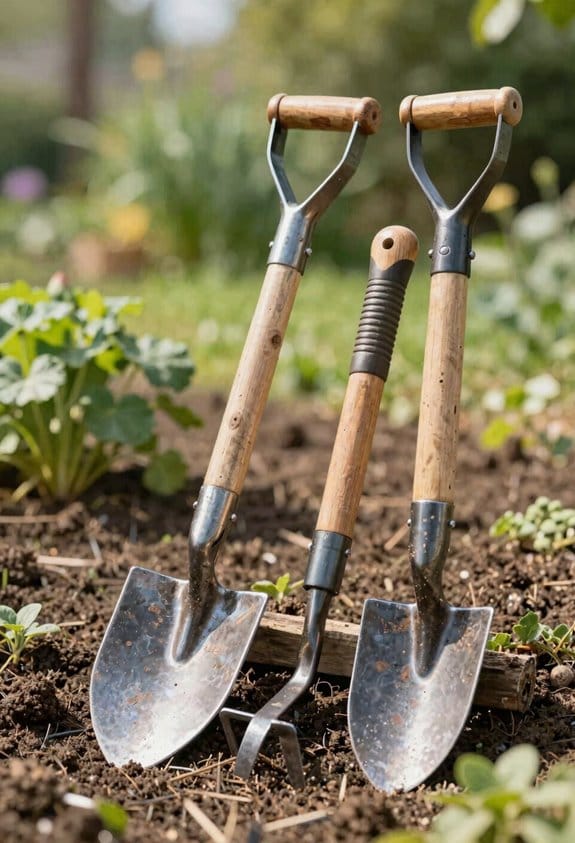
Now that you understand how cultivator hoes combine weeding and soil aeration in one tool, it’s helpful to compare them with other common garden implements you might already own or consider purchasing. Spades excel at digging and moving soil, but they don’t slice weeds at root level like cultivator hoes do. Hand weeding tools require you to kneel and pull individual weeds, which causes blade fatigue in your hands and wrists over time. Cultivator hoes let you stand upright while working, protecting your back and joints. When seasonal timing matters—spring preparation or mid-summer maintenance—cultivator hoes cover large areas quickly. Unlike spades’ heavy chopping motions, cultivators skim soil surfaces efficiently, minimizing weed seed disturbance while preserving beneficial soil structure your garden needs.
Sharp Tines Eliminate Weeds Without Chemicals
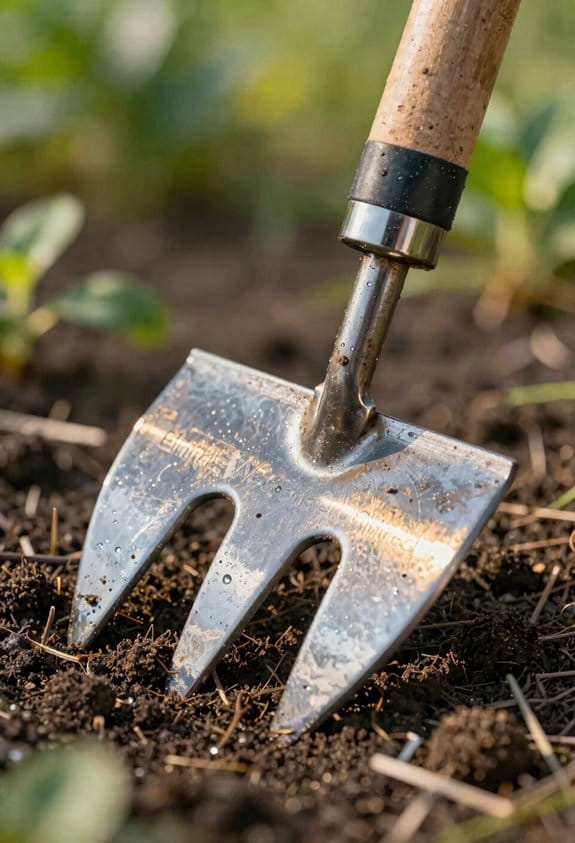
When you pick up a cultivator hoe, you’re holding a tool that cuts through weeds at their roots, making chemical herbicides unnecessary for most gardeners. The sharp tines slice cleanly into soil, severing weeds below the surface where new growth begins. This mechanical approach offers an effective chemical alternative that protects your garden’s ecosystem and your family’s health.
For peak performance, tine maintenance is essential. Keep the tines sharp by regularly honing them with a file, which guarantees they penetrate soil efficiently and require less physical effort. Dull tines demand more force and produce less effective results. By maintaining your cultivator hoe properly, you’ll enjoy consistent weed control throughout the growing season without relying on synthetic herbicides, making it an economical and environmentally responsible choice.
How Cultivator Hoe Aeration Improves Soil Drainage
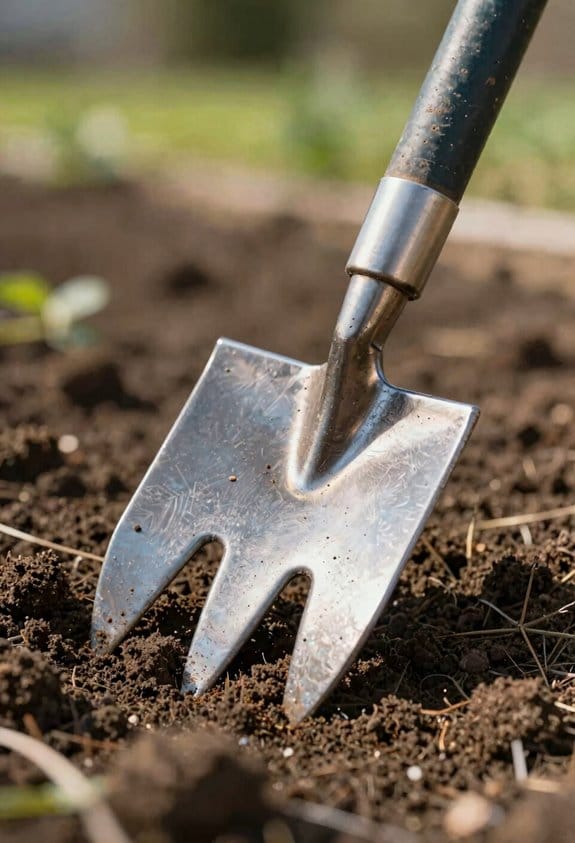
Breaking up compacted soil with a cultivator hoe creates tiny channels that allow water, air, and nutrients to move freely through the earth. This increased surface porosity means water doesn’t pool on top, preventing waterlogging that damages plant roots. When you work the hoe through your garden, you’re effectively aerating the soil like a machine would, but with precision control.
Better drainage directly supports root oxygenation, which plants need for healthy growth. Roots can’t absorb water and nutrients efficiently in dense, airless soil. By loosening the top layers, you’re making it easier for roots to penetrate deeper and establish stronger systems. Your plants respond with vigorous growth because they’re getting the oxygen and moisture they require.
Match Your Garden Size to the Right Cultivator Hoe
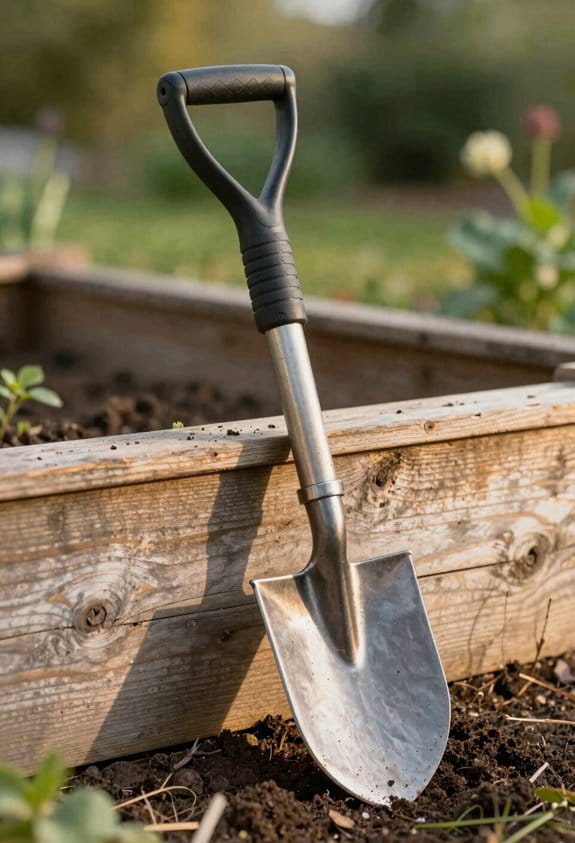
Selecting the appropriate cultivator hoe depends largely on how much garden space you’re working with, since different sizes and styles serve different purposes. For small gardens or container gardening, a narrow-tined cultivator with shorter handles works best, allowing precise weeding between plants. If you’re managing medium-sized plots with companion planting arrangements, a standard cultivator with adjustable tines handles multiple row widths effectively. Larger gardens benefit from wheel hoe configurations, which cover expansive areas while reducing physical strain. Consider your soil type too—compacted clay requires sharper tines, while loose soil needs gentler options. Match your tool’s width to your row spacing, ensuring you can navigate between plants without damaging roots or disrupting your planting scheme.
Transform Hard Soil Into Friable Beds (Here’s How)
Hard, compacted soil resists plant growth and water absorption, making it a major obstacle for gardeners who want productive beds. A cultivator hoe breaks up this dense earth efficiently, creating the friable texture that roots need to penetrate deeply. When you work the hoe across your garden, its sharp tines slice through hardpan layers, incorporating air pockets and organic matter throughout the topsoil.
These soil crumbification techniques improve drainage markedly. By loosening compacted areas, you’re simultaneously activating microbial activation methods—beneficial microorganisms thrive in aerated soil with better oxygen flow. This biological activity enriches your bed naturally. Push the hoe in overlapping passes, working methodically across each section. You’ll notice the soil transforms from dense and cloddy to light and workable, ready for planting strong, healthy plants.
Cultivate Precise Rows Without Damaging Adjacent Plants
Once you’ve transformed your garden beds into workable soil, the cultivator hoe becomes an invaluable tool for creating clean, organized rows while protecting the plants you want to keep. The hoe’s narrow furrows allow you to establish precise plant spacing without disturbing nearby seedlings or established crops. By using edge cultivation techniques along row borders, you maintain clear boundaries between planted areas and weeds. This precision proves especially valuable when practicing companion planting, where different crops grow together beneficially. The flat tines skim soil at the surface, removing unwanted growth while leaving your desirable plants untouched. This controlled approach minimizes accidental damage that hand pulling often causes, making the cultivator hoe essential for maintaining healthy, organized garden rows.
Cultivator Hoe Design: Why Ergonomics Reduce Back Strain
While maintaining precise rows protects your plants, how you accomplish that work matters equally for your own physical health and comfort. A cultivator hoe‘s long-handled design markedly reduces back strain compared to bending repeatedly during manual weeding. The handle ergonomics allow you to stand upright, which keeps your spine aligned and prevents injury from repetitive bending motions. Better posture cues from this upright position strengthen your core muscles rather than straining them. When you use proper form with a long-handled hoe, you’re distributing physical effort across larger muscle groups, making extended garden work more sustainable. This thoughtful design means you’ll finish weeding sessions feeling less fatigued, enabling you to tackle larger garden areas without compromising your physical well-being.
Five Jobs One Cultivator Hoe Can Handle
Beyond weeding, a cultivator hoe takes on multiple gardening tasks that would otherwise require separate tools, making it an efficient investment for any gardener. one hoe handles seedbed preparation by breaking up compacted soil and creating level planting surfaces. It also forms precise furrows for planting seeds at consistent depths. The same tool manages mulch management, mixing compost and organic matter evenly into the topsoil. Additionally, a cultivator hoe creates raised rows perfect for potatoes and corn, then maintains those rows throughout the growing season. Finally, it aerates soil between plantings, improving drainage and nutrient distribution. This versatility eliminates the need for purchasing multiple specialized tools, streamlining your gardening equipment while delivering professional-quality results.
Long-Term Soil Health Gains That Compound Each Season
As you use a cultivator hoe season after season, the benefits to your soil multiply rather than diminish, creating a foundation that grows stronger with each passing year. Regular cultivation increases microbial diversity, the variety of beneficial organisms living in your soil that break down organic matter and improve nutrient availability. When you work the soil consistently, you incorporate seasonal carbon—decomposed plant material from previous harvests—deeper into the earth. This enrichment strengthens soil structure, enhances water retention, and boosts fertility naturally. Year after year, your garden requires less amendment because the soil ecosystem becomes increasingly robust. What starts as improved weed control transforms into a self-sustaining garden environment where your plants thrive with minimal external inputs.
For a useful next step, prepare garden soil with hand tools. These guides cover the related maintenance or buying decision without changing the task explained here.
Frequently Asked Questions
How Often Should I Sharpen My Cultivator Hoe Tines for Optimal Performance?
Consider sharpening your cultivator hoe tines every two to three months during active growing season. Regular blade upkeep maintains peak sharpening frequency, ensuring your tines slice weeds efficiently without dulling from soil contact.
Can I Use a Cultivator Hoe in Wet Soil Without Causing Compaction Damage?
I’d avoid using your cultivator hoe in wet soil because it’ll cause soil compaction and damage drainage improvement. Wait until the soil’s drier so the tines can break up earth without creating hard, impacted layers.
What’s the Best Technique for Using a Wheel Hoe Attachment Effectively?
gently tickling your soil with proper depth and maintaining a smooth rhythm while pushing—rather than chopping—lets you cover expansive garden beds efficiently, transforming tedious weeding into almost meditative movement.
Does Cultivator Hoeing Work on All Soil Types, Including Clay-Heavy Gardens?
I’ve found cultivator hoeing works on clay-heavy soil with proper clay adaptation and moisture management. You’ll need to adjust timing—work when soil’s slightly moist, not waterlogged or bone-dry—for best results.
How Many Seasons Will a Quality Cultivator Hoe Last With Proper Maintenance?
I’ll tell you something that might surprise you—a quality cultivator hoe doesn’t just last seasons; it’ll give you decades of longevity with proper maintenance. I’ve seen them outlast gardeners themselves, truly remarkable seasonal lifespan investments.