

Soil moisture sensors measure your soil’s actual water content in real time, so they automatically stop overwatering by skipping irrigation cycles after rainfall and prevent underwatering by triggering alerts when moisture drops below safe levels. Unlike fixed schedules that ignore weather and soil conditions, these sensors send data to your irrigation controller, which adjusts watering precisely to what your plants need. The result: you conserve 20–50% more water while keeping your plants healthy and your utility bills lower—and there’s much more to learn about maximizing these savings.
Key Takeaways
- Real-time moisture sensors measure soil water content and trigger irrigation only when levels drop below preset thresholds, preventing both overwatering and underwatering.
- Automated controllers skip scheduled watering cycles after rainfall is detected, eliminating unnecessary irrigation that causes root damage and water waste.
- Mobile alerts notify you when soil moisture falls below critical levels, enabling timely intervention to prevent plant stress from insufficient water.
- Continuous monitoring across root zones ensures uniform hydration by providing precise readings that adjust to seasonal changes and current soil conditions.
- Sensor-based automation reduces irrigation by 20 to 50 percent while maintaining optimal plant health, lowering utility costs and supporting long-term growth.
Why Standard Watering Schedules Fail (and Moisture Sensors Work)
While standard watering schedules seem convenient, they don’t actually account for the real conditions in your soil, which is why they often fail to keep plants healthy. Fixed schedules ignore critical variables like rainfall, soil type, and seasonal changes. Calendar reliance means you’re watering on predetermined days regardless of whether your plants need it. Rain exclusion is a major problem; after a storm, standard schedules continue their routine, causing overwatering and root damage. Your root zones require moisture levels tailored to current conditions, not a predetermined pattern. Soil moisture sensors provide real-time data about actual soil conditions, allowing you to water only when necessary. This approach prevents both overwatering and underwatering, ensuring optimal-quality plant health and conserving water resources effectively.
How Soil Moisture Sensors Actually Work
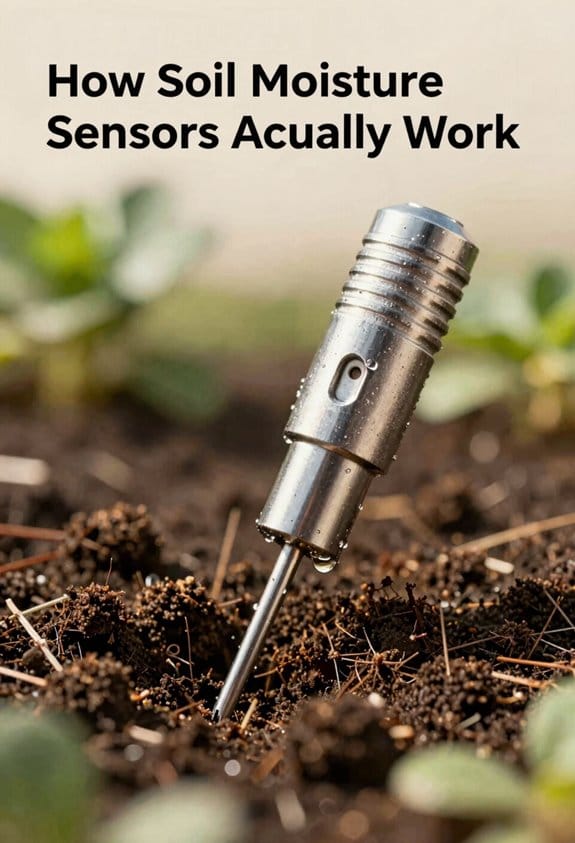
To understand how moisture sensors help you maintain healthy plants, you need to know that they measure water content in soil indirectly by detecting changes in soil properties, rather than directly counting water molecules. Different sensor types work in various ways. Some use dielectric propagation, sending electromagnetic waves through soil, where the wave’s travel time reveals moisture levels. Others measure electrical resistance, which decreases as soil becomes wetter. Capacitance sensors gauge water content by detecting changes in the soil’s ability to hold an electrical charge. Waveform interpretation helps sensors translate these measurements into usable data. Once sensors collect information, they send signals to irrigation controllers, which automatically adjust watering schedules based on actual soil conditions rather than calendar dates.
Sensor Types: Choosing Between TDR, Capacitance, and Resistive
Since you’re considering which soil moisture sensor best fits your needs, it’s helpful to understand the main types available and how they differ in accuracy, cost, and reliability. TDR sensors measure moisture by detecting electromagnetic wave speed through soil, requiring careful TDR calibration for accuracy but offering excellent precision. Capacitance sensors gauge water content through dielectric changes, though capacitance drift can reduce their reliability over time in certain soil conditions. Resistive sensors determine moisture by measuring electrical resistance between electrodes, making them simple and affordable, yet susceptible to temperature and soil type variations. TDR provides superior accuracy despite higher costs, while capacitance balances performance with moderate pricing. Resistive options suit budget-conscious applications where precision matters less than basic moisture detection.
Recommended Products

ON DEMAND SOIL DATA: Get 6 instant readings, Soil Moisture, Soil Temperature, Bulk Soil Electrical Conductivity, Pore Water EC, Air Temperature, and Air Humidity. Simply insert the TDR sensor into your growing medium and get accurate results. Works across natural soils, coco coir, rockwool, perlite blends, and peat. Giving you a complete picture of your soil in any environment.

ON DEMAND SOIL DATA: One tap delivers six simultaneous readings, Soil Moisture (VWC), Soil Temperature, Bulk Soil EC, Pore Water EC, Air Temperature, and Air Humidity. All displayed on the built-in LCD screen. No waiting, no guesswork, just actionable field data in under a quarter second.
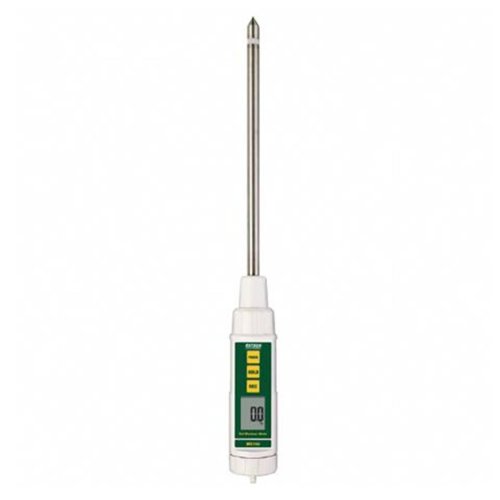
Reliable Soil Moisture Measurement - Take the guesswork out of plant care. The Extech MO750 provides precise soil moisture readings with its durable 8" stainless steel probe, helping you monitor conditions deep beneath the surface.
Prevent Overwatering With Real-Time Moisture Detection
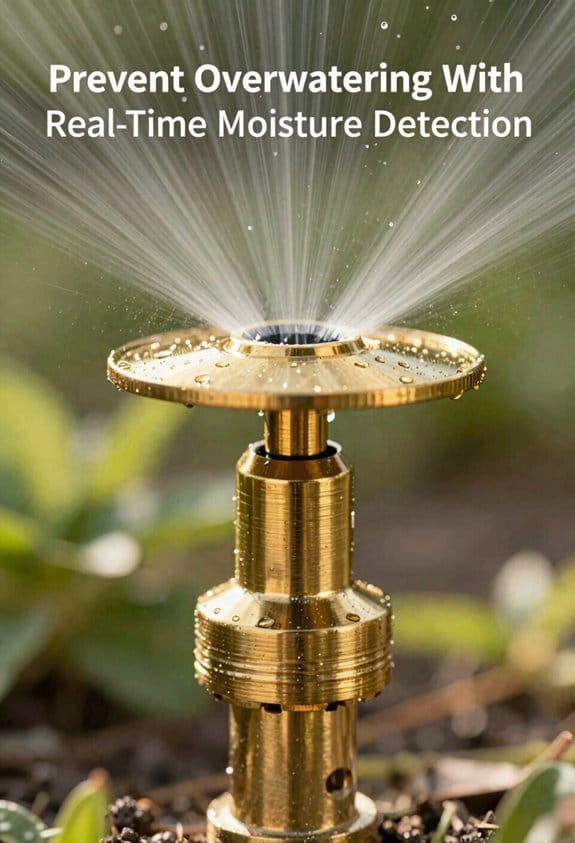
When rainfall saturates your soil, an automated irrigation system equipped with real-time moisture sensors can prevent wasteful overwatering by skipping scheduled watering cycles. I’ll explain how this works: you set real-time thresholds in your controller, which are moisture levels that trigger watering decisions. When soil moisture reaches your preset threshold after a rainstorm, the system recognizes adequate water’s already present and cancels the next irrigation cycle. Many modern controllers include rain delay integration, a feature that automatically pauses your sprinkler schedule following detected rainfall. This technology proves especially valuable on golf courses and in landscape irrigation, where water conservation directly reduces costs and environmental impact. By combining sensor data with smart automation, you’re ensuring plants receive precisely the water they need, nothing more.
Prevent Underwatering With Automated Moisture Alerts
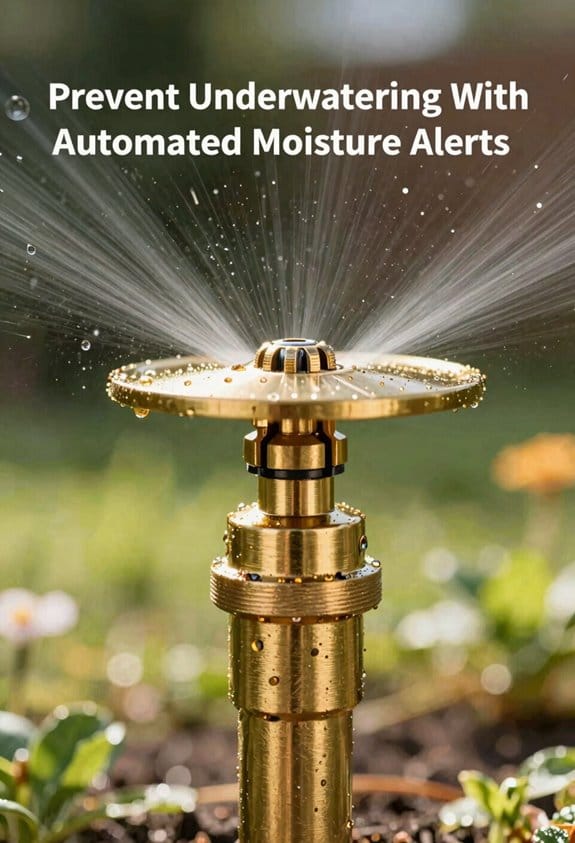
Just as sensors prevent wasteful overwatering by skipping cycles after rainfall, they also protect your plants from the opposite problem—not getting enough water. When soil moisture drops below your set threshold, these sensors send you mobile alerts, ensuring you won’t miss critical watering times. Digital outputs signal dry soil conditions, triggering automated irrigation to start immediately. Continuous analog outputs provide precise moisture readings, helping you understand exactly when your plants need water. Profile probes monitor different soil layers vertically, guaranteeing uniform hydration throughout the root zone. These root reminders maintain ideal saturation levels between 0-100%, supporting healthy root development during early planting and growth stages. By catching moisture deficits quickly, you’re preventing stress that stunts plant growth and reduces yields.
Set Moisture Sensor Thresholds for Your Soil Type
To get the most accurate readings from your soil moisture sensor, you need to calibrate your threshold settings based on your specific soil type, because different soils retain water differently and respond to moisture changes in unique ways. Clay soil holds more water than sandy soil, so your soil-specific thresholds must reflect these differences. I recommend establishing calibration intervals every season to account for changing conditions. By mapping your threshold values across the root zone, you’ll identify exactly where plants need water most. Use your sensor’s potentiometer to adjust trigger points, setting the digital output to activate irrigation only when moisture genuinely drops below ideal levels. This targeted approach prevents both overwatering and underwatering while maximizing plant health and resource efficiency.
Recommended Products

【7 IN 1 MULTIFUNCTIONAL SOIL TESTER】: Discover the power of our 7 in 1 Fast Soil Tester, which effectively measures Nitrogen, Phosphorus, Potassium, pH, temperature, moisture, and conductivity. perfect for petrochemical, environmental protection, metallurgy, mining, agriculture, experiment, surveying and other industries.

Direct readout for 40 different grain scales

Kit includes: 1 EZO-EC Embedded Circuit
Soil Moisture Sensor Installation Mistakes to Avoid
Proper installation makes all the difference in how well your soil moisture sensor performs, yet many people overlook critical placement and setup errors that can undermine accurate readings and waste water. Poor placement in non-representative soil areas skews your data, since sensors must sit where plants’ roots actively grow. Avoid compaction issues by gently inserting probes without forcing them, which creates air pockets that interfere with accurate measurements. You’ll also want to position sensors at the appropriate depth for your plant type—typically four to six inches for shallow-rooted plants, deeper for trees. Make certain good soil contact around the probe, and don’t install sensors in heavily amended or rocky soil sections where readings won’t reflect your garden’s actual conditions.
Recommended Products

Wireless sensor suite with integrated sensors for temperature/humidity, rain and solar irradiance.

Easy to clean, rugged flat surface pH electrode
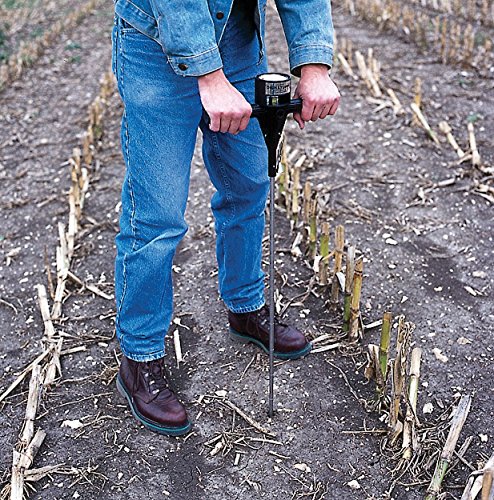
Price For: Each Manufacturers Warranty Length: 1 year Probe Length (In.): 30 Probe Dia. (In.): 1/2 and 3/4 Probe Material: Steel Pressure Range (PSI): 0 to 500 Item: Soil Compaction Tester Includes: Two Tips and Instructions Country of Origin (subject to change): United States
Connect Your Moisture Sensor to an Irrigation Controller
Once you’ve installed your soil moisture sensor correctly, the next step involves connecting it to an irrigation controller, which is the device that automatically turns your watering system on and off based on soil conditions. You’ll typically choose between wired integration or wireless pairing, depending on your system’s capabilities. Wired integration provides reliable, direct connections through buried cables, while wireless pairing offers flexibility without extensive trenching.
Before connecting, make certain surge protection by installing a surge suppressor, which guards against electrical damage from lightning or power spikes. Don’t forget weather proofing your connections using waterproof conduit and sealed junction boxes. These protective measures prevent corrosion and equipment failure, guaranteeing your automated irrigation system operates reliably throughout the growing season.
Recommended Products

The QS200 ultrasonic insert can be retrofitted into this saddle for a customized system
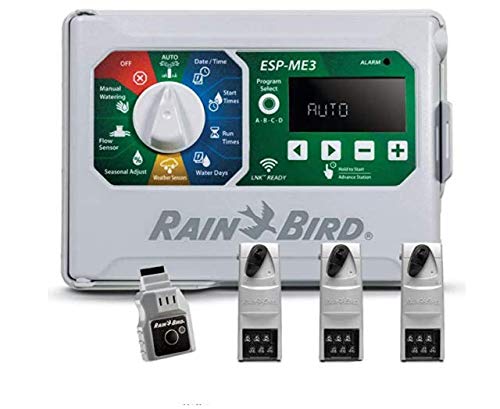
With 4 to 22 stations, the ESP-ME3 provides the station count options customers need. Install the same controller on residential and light commercial sites. Add station modules when expanding irrigation without removing or even powering down the controller.
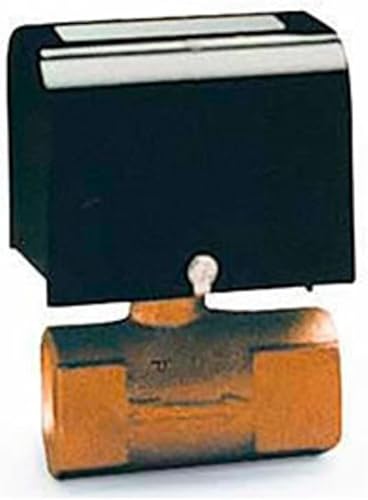
IN-LINE, PADDLE TYPE; 120/240 VOLT AC AT 50/60 HERTZ INPUT SUPPLY RATING; 1
Maintain Your Sensors for Accurate Year-Round Readings
Regularly maintaining your soil moisture sensors guarantees they provide reliable data throughout the year, which directly affects how well your irrigation system functions. I recommend performing seasonal calibration to make certain your sensors remain accurate as temperatures and soil conditions change. You’ll also want to focus on probe cleaning, since dirt, salt buildup, and debris can interfere with readings and cause false signals. Check your sensors quarterly, gently removing any accumulated material from the probe tips using a soft brush or cloth. If you notice inconsistent measurements despite cleaning, recalibration may be necessary. This preventive approach prevents both overwatering and underwatering, ultimately protecting your plants while conserving water and reducing unnecessary costs throughout the entire growing season.
Recommended Products
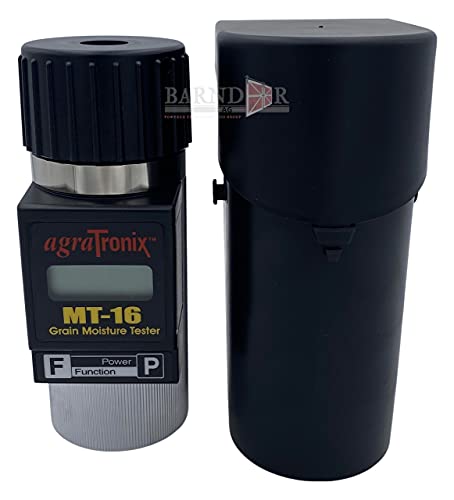
Direct readout for 16 different grain scales
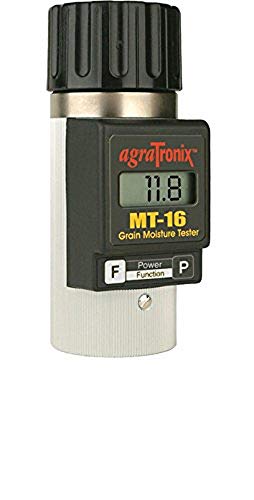
TESTING EQUIPMENT: Specially calibrated to provide accurate moisture results for grains, the AgraTronix grain tester is reliable equipment that is commonly used by cultivators, farmers and sellers.

LEAK DETECTOR: Check for moisture on or below the surface of carpets, ceilings, and sub-floors. Our device has an auto power-off after 3, 5, or 10 minutes. It can help contractors, woodworkers, and homeowners on wood, drywall, and concrete projects.
How Much Water and Money Your Sensors Will Save
The water savings from soil moisture sensors can be substantial, often reducing irrigation by 20 to 50 percent depending on your climate and current watering practices. When you eliminate unnecessary watering cycles, you’ll notice immediate reductions in your utility bills. Beyond water conservation, accurate soil moisture monitoring improves crop yield by ensuring plants receive ideal hydration without stress from excess or insufficient water. Golf courses and agricultural operations have documented significant savings after installing these sensors. By automating irrigation schedules based on real-time data, you’re investing in equipment that pays for itself through reduced water consumption and lower utility costs. The financial return extends across multiple growing seasons, making sensors a practical long-term investment for any irrigation system.
Frequently Asked Questions
Do Soil Moisture Sensors Work in Saline or High-Conductivity Soils?
I’d say yes, they work, but you’ll face challenges. Calibrated sensors handle saline soils well with minimal interference, though you’ll need to watch for sensor corrosion and reading drift over time in high-conductivity environments.
How Do Temperature Fluctuations Affect Soil Moisture Sensor Accuracy?
I’ll be candid—temperature fluctuations create measurement challenges through thermal drift and hysteresis effects. You’ll notice resistive sensors particularly struggle, as they’re temperature-sensitive. I’d recommend calibrated sensors that minimize these thermal interferences for your accuracy needs.
Can I Use One Sensor for Multiple Garden Beds?
You can use a single sensor across multiple beds, but I’d recommend zone mapping to respect signal range limits. Coverage limits vary by sensor type, so you’ll need strategic placement for accurate monitoring.
What’s the Lifespan of Soil Moisture Sensors Before Replacement?
I’d say most soil moisture sensors last 3-5 years before you’ll need replacement. You’ll typically replace batteries annually, but the sensor’s dielectric components degrade over time with soil exposure and weathering.
Do Sensors Require Recalibration for Different Soil Types Annually?
Like fingerprints on soil, each type demands its own calibration signature. You’ll want to recalibrate annually because soil-specific offsets drift with seasons. I’ve found calibration frequency matters most when soil composition changes markedly on your property.