

App-connected irrigation timers use cloud-based technology to automatically adjust your watering schedule based on real-time weather data, soil moisture levels, and plant needs across different landscape zones. You control everything remotely through a smartphone app, and the system skips watering after rainfall or during cooler seasons. They’re best for property owners managing multiple zones, landlords, remote users, and anyone wanting water conservation without manual scheduling. These smart controllers typically cost $80–$300, though some require subscription fees. Understanding their specific features and setup requirements reveals whether one fits your property.
Key Takeaways
- Cloud-based systems transmit irrigation data wirelessly, allowing real-time remote control and monitoring through smartphone apps from anywhere.
- Weather integration uses millions of station data points to calculate precise watering needs and automatically adjust schedules after rainfall.
- Soil moisture sensors combined with weather analytics optimize water delivery by zone, preventing overwatering across different microclimates.
- Multiple customizable schedules per zone accommodate varying plant types, sun exposure, and seasonal changes throughout the year.
- Best suited for property owners with multiple zones, remote access needs, water conservation goals, and landlords managing several properties.
How App-Connected Irrigation Timers Work
When you’re managing a lawn or garden, you’re probably familiar with traditional irrigation timers—those basic devices you set once and hope work correctly all season. App-connected irrigation timers work differently, operating through cloud-based processing that handles scheduling and adjustments remotely. Instead of relying solely on local processing within the device itself, these controllers transmit data to cloud servers, then receive instructions back through your Wi-Fi network.
You may be interested
You’ll access your system through mobile apps on smartphones, tablets, or computers. The hardware interfaces connect to your home network, enabling real-time monitoring and remote valve control. Unlike older timers, these systems integrate multiple weather data sources, automatically adjusting watering schedules based on rainfall, temperature, and evapotranspiration calculations. This technology eliminates guesswork while conserving water efficiently throughout the year.
Cloud-Based Control and Real-Time Weather Data
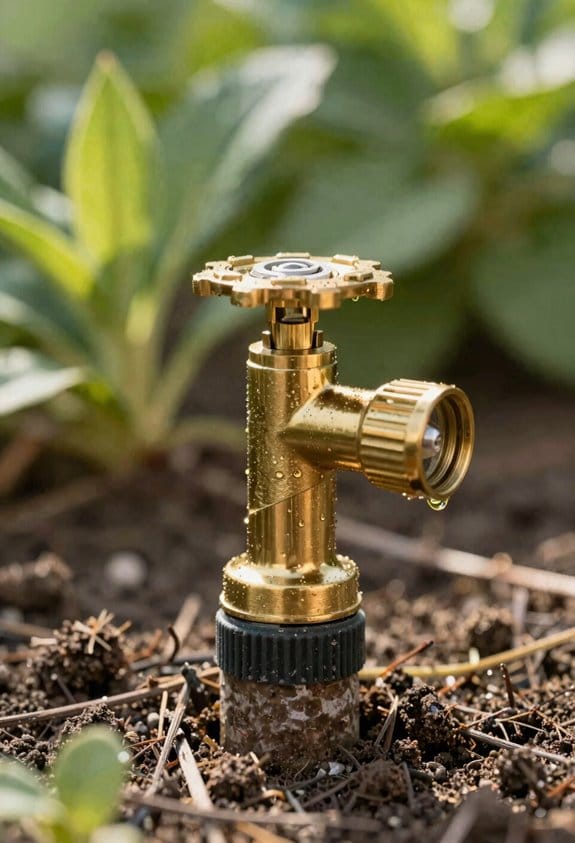
The real power of app-connected irrigation timers lies in how they process information beyond your property’s boundaries, using cloud servers and weather networks to make smarter watering decisions. Rather than relying on a single on-site rain gauge, your system taps into data from millions of weather stations. Cloud analytics calculate evapotranspiration rates—the water plants use and soil releases—giving your controller precise watering needs based on actual conditions. You’ll choose specific weather station selection for your area, ensuring accuracy for your exact location. This remote processing means your smartphone receives real-time adjustments automatically, skipping watering after rainfall or reducing schedules during cooler seasons without any manual intervention required.
Soil Moisture and Weather-Based Automation
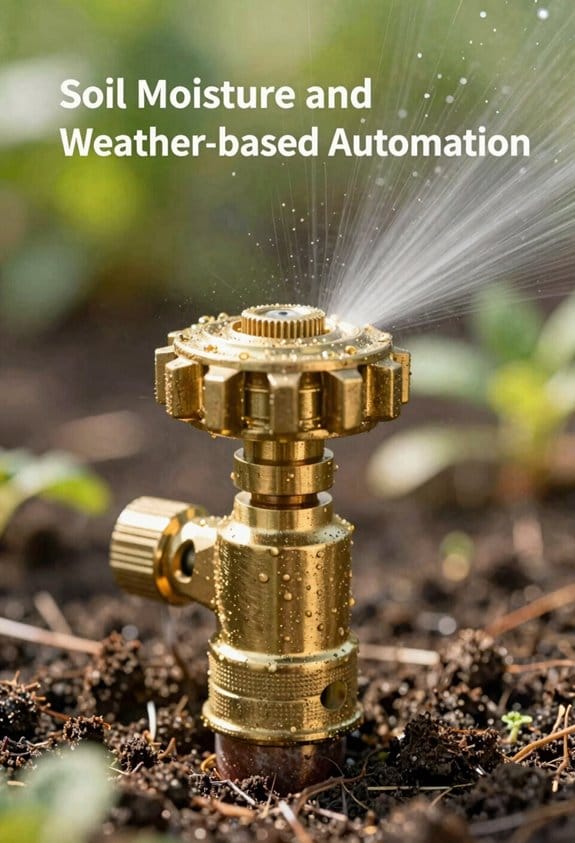
By combining soil moisture sensors with weather data, you can create an irrigation system that responds to your landscape’s actual needs rather than following a fixed schedule. These dual data sources work together to optimize watering efficiency.
Soil moisture sensors measure ground water levels directly, while weather-based systems analyze rainfall and temperature readings. Through sensor calibration and microclimate mapping, your controller determines precise water requirements specific to your property’s conditions. The system automatically reduces or skips watering when recent rainfall occurs, preventing over-saturation without your intervention.
Controllers process weather data through evapotranspiration calculations, determining how much water plants need based on transpiration and soil evaporation rates. Seasonal changes trigger automatic schedule adjustments, maintaining efficiency year-round. This intelligent approach eliminates guesswork, conserves water, and keeps your landscape healthy throughout changing weather patterns.
Customize Watering by Zone and Season
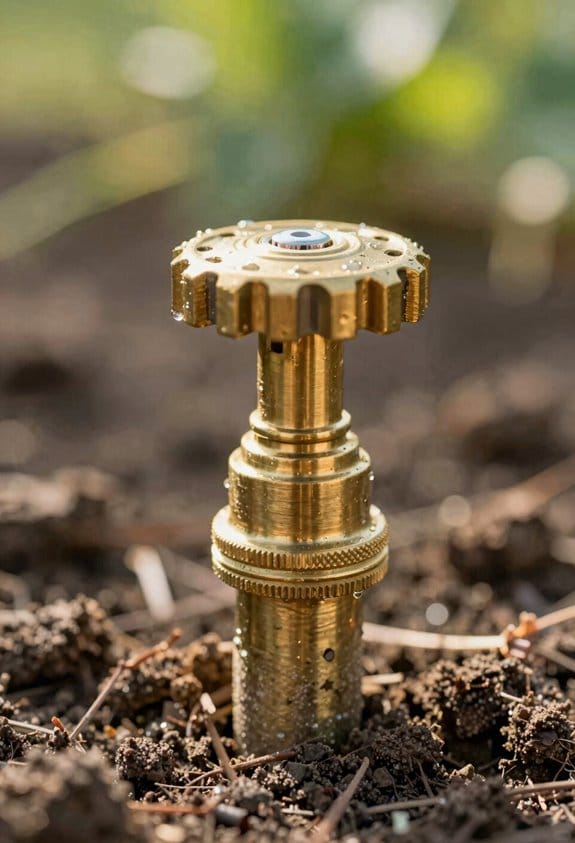
Since different areas of your landscape have unique plant types and soil conditions, you’ll want to customize your watering schedules independently for each zone rather than applying the same watering pattern everywhere. Your front lawn might have different plant pallets than your back garden, and these areas may experience different micro climates based on sun exposure and shade.
App-connected controllers let you create up to six separate schedules per zone, adjusting water amounts for each plant’s specific needs. When seasons change, your system automatically adapts watering frequency and duration. Spring might require more frequent watering as plants emerge, while fall needs decrease. This zone-based customization, combined with seasonal adjustments, guarantees every part of your landscape receives precisely the water it needs without waste.
Monitor Systems and Detect Leaks
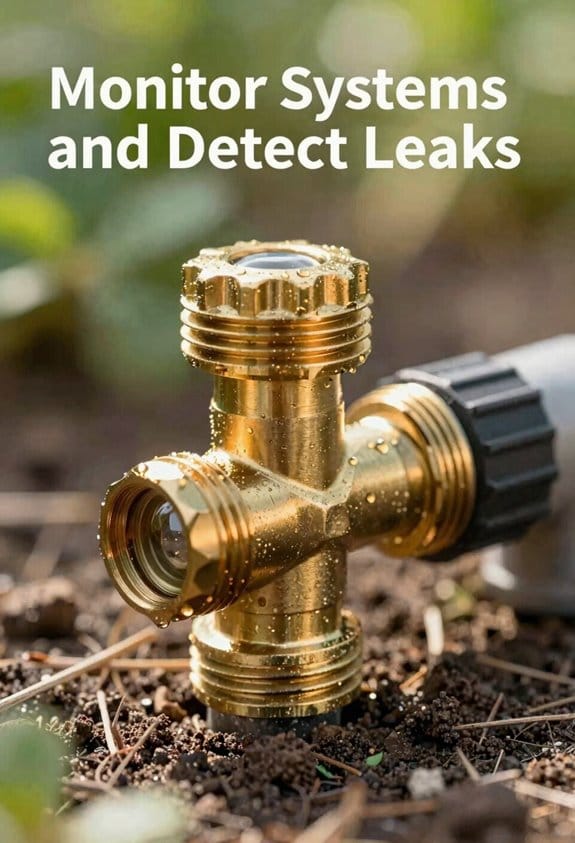
Detecting leaks before they drain your wallet is one of the most valuable features of app-connected irrigation systems, and it’s something you can accomplish without ever stepping foot in your yard. Smart controllers use flow sensors that monitor water movement through your system, detecting unusual patterns that signal problems. When pressure monitoring identifies unexpected pressure drops, your app alerts you immediately. Some advanced systems employ acoustic sensors that listen for the distinctive sounds of water escaping from damaged pipes or connections. These sensors distinguish between normal operation and leak sounds, providing early warnings before minor issues become expensive repairs. Real-time notifications let you address problems quickly, preventing water waste and protecting your landscape investment.
Smart Irrigation Setup and Cost
Installing a smart irrigation controller involves straightforward steps that most homeowners can complete without professional help, though your setup costs and complexity depend on your system’s features and your property’s layout. Smart controllers typically range from $80 to $300, with price variations reflecting differences in capabilities and sensor options. Basic models offer essential scheduling, while premium systems include advanced weather integration and leak detection. Some manufacturers charge subscription fees for cloud-based services, weather data processing, or expanded features like multi-controller management. You’ll need Wi-Fi connectivity or a Bluetooth gateway hub for remote access. Installation requires connecting your controller to a garden faucet using Teflon tape, making it an affordable upgrade that delivers significant water conservation benefits without extensive renovation requirements.
Who Should Invest in a Smart Controller
Now that you’ve understood how smart controllers work and what they cost to install, you’ll want to weigh whether one’s right for your situation. First time buyers who’re managing new landscapes benefit markedly from automatic weather adjustments that eliminate guesswork. Rental landlords can reduce water waste and maintenance calls by monitoring systems remotely, protecting their investment while conserving resources. Property owners with multiple zones appreciate customized schedules for different plant types. If you’re unable to physically access your irrigation system regularly, remote control capabilities become invaluable. Water-conscious homeowners seeking to comply with local restrictions find app controls simplify programming adjustments. However, renters or those with minimal landscaping may not justify the initial investment. Consider your property’s complexity, your availability for manual adjustments, and local water conservation priorities when deciding.
For a useful next step, reduce water waste in the garden. These guides cover the related maintenance or buying decision without changing the task explained here.
Frequently Asked Questions
Do Smart Irrigation Controllers Work During Winter or Freezing Temperatures?
I can’t find specific information about freeze protection or winter operation in the knowledge provided. However, smart controllers typically support winter scheduling features, though you’d need to verify freeze protection capabilities with your device’s manufacturer for freezing temperatures.
What Happens to Irrigation Control if My Wi-Fi Connection Drops?
If your Wi-Fi drops, I’ve got good news—your controller maintains local control and can run pre-programmed schedules. You won’t access remote features, but delayed cycles continue operating until your connection restores.
Can I Integrate Smart Irrigation With Existing Traditional Sprinkler Systems?
Yes, like fitting a new engine into an old car, you can upgrade traditional systems using retrofit adapters and valve actuators. I’d install these smart controllers to replace your existing timer while keeping your current sprinkler setup intact.
How Often Do I Need to Replace Batteries in Smart Controllers?
I can’t give you a specific battery replacement timeline because the knowledge provided doesn’t detail battery lifespan or replacement schedules. However, Consider checking your controller’s manual for power redundancy options and expected battery performance duration.
Are Smart Irrigation Systems Compatible With All Faucet Types and Sizes?
Not every faucet’s a perfect match, but you’ve got options! Most controllers work with standard outdoor faucets using hose adapters and pressure regulators. Unusual or oversized faucets might need special modifications though.