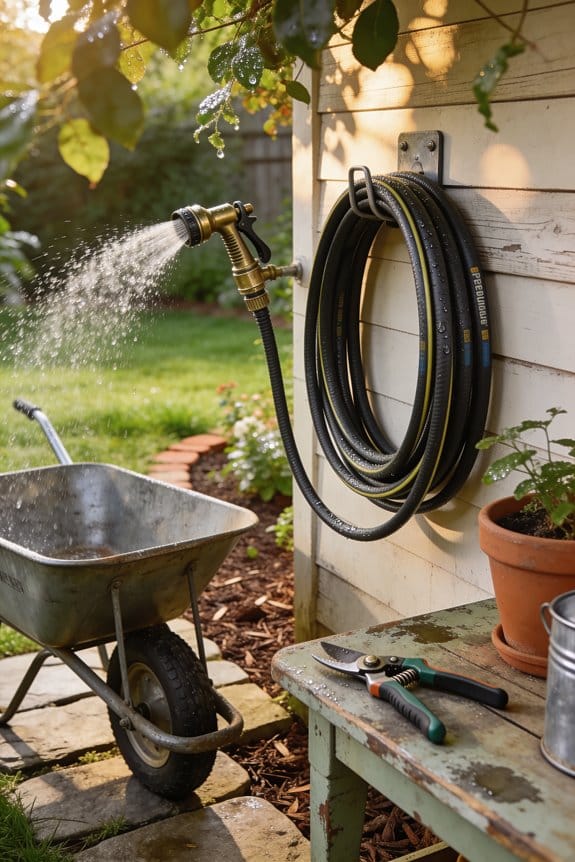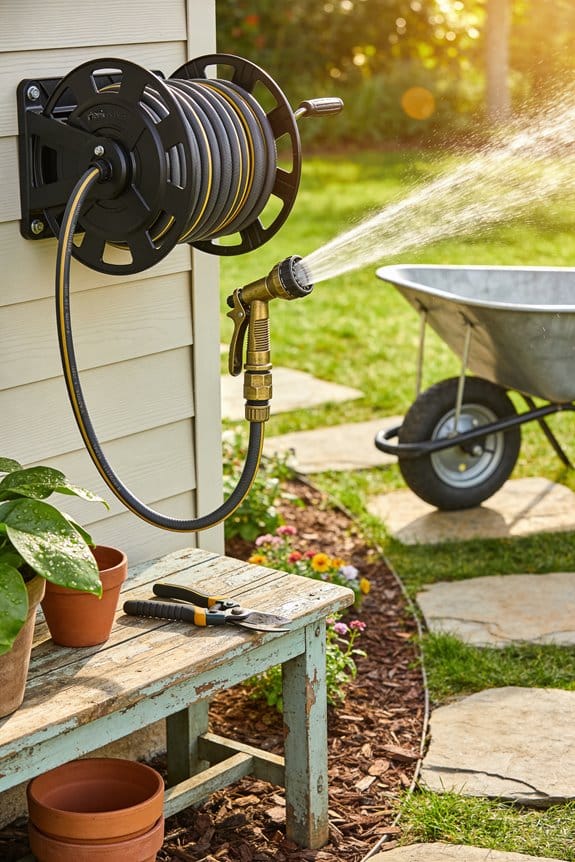


You’re probably buying too many tools for your actual garden size, storing them incorrectly, and skipping maintenance. Beginners often invest in professional-grade equipment they’ll never use, then leave wet tools in sealed boxes where moisture triggers rust. You might also mix rusty hand-me-downs with new gear, which spreads corrosion. The biggest mistake? Not checking tools weekly for damage. By matching your tool set to your garden’s real needs, choosing equipment suited to your soil type, and establishing a simple storage routine in a dry location, you’ll save money and frustration while keeping your equipment functional for years. Explore further to discover the specific strategies that’ll transform your tool care practices.
Key Takeaways
- Buying professional-grade equipment for small backyards wastes money and creates unnecessary storage problems.
- Choosing tools without considering soil type increases digging effort and causes unnecessary strain.
- Storing wet tools in sealed containers traps moisture and accelerates rust formation rapidly.
- Mixing rusty hand-me-downs with new tools allows corrosion to transfer between equipment.
- Skipping weekly inspections allows rust and damage to spread unnoticed and worsen significantly.
Size Your First Tool Set to Your Garden, Not Your Ambition
When you’re starting out as a gardener, it’s easy to get swept up in the excitement and buy every tool you see at the garden center, but here’s what I’ve learned: your tool collection should match the actual size of your garden, not the size you imagine it’ll become. I made this mistake myself by purchasing professional-grade equipment for a small backyard space.
You may be interested
Start by evaluating your bed sizing honestly. A beginner with limited space needs only essential tools like a starter spade, hand trowel, and pruners. Purchasing excessive equipment wastes money and creates storage problems. As your garden expands over time, you can gradually add specialized tools. This measured approach prevents both financial waste and the clutter that makes proper tool maintenance difficult, keeping your garden organized and efficient.
Choose Tools Suited to Your Soil Type, Not a One-Size-Fits-All Set
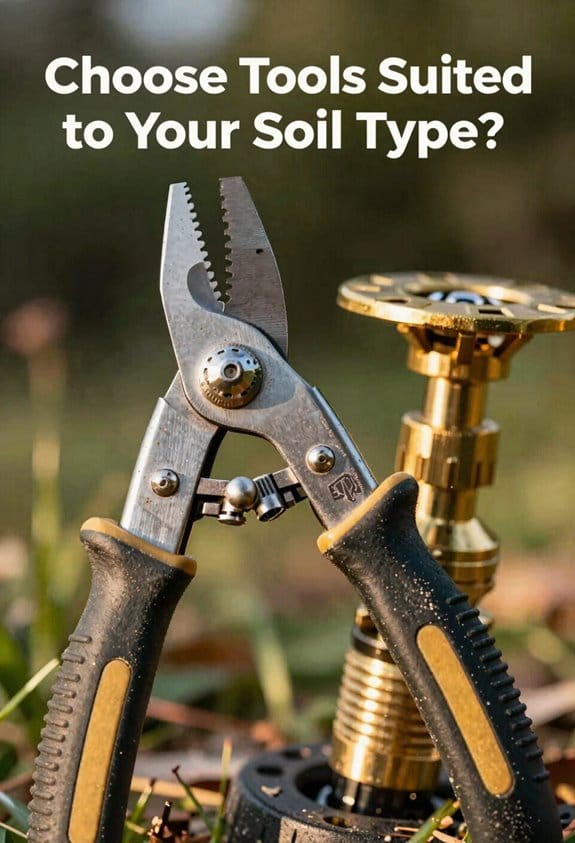
Because different soil types require different digging and turning techniques, the tools you choose matter more than you might think. Heavy clay soil, for instance, demands a sturdy spade with a flat blade for bed preparation, while sandy soil works better with a lighter fork that won’t compact easily. Before purchasing your tool set, test your soil texture by squeezing a handful of moist soil. If it forms a tight ball, you’ve got clay. If it crumbles immediately, that’s sandy soil. Loamy soil, the ideal middle ground, holds its shape briefly before breaking apart. Understanding your soil type lets you select appropriate tools that’ll make digging easier and prevent unnecessary strain on both your body and your equipment.
Don’t Leave Tools on Bare Ground: Rust Spreads Fast
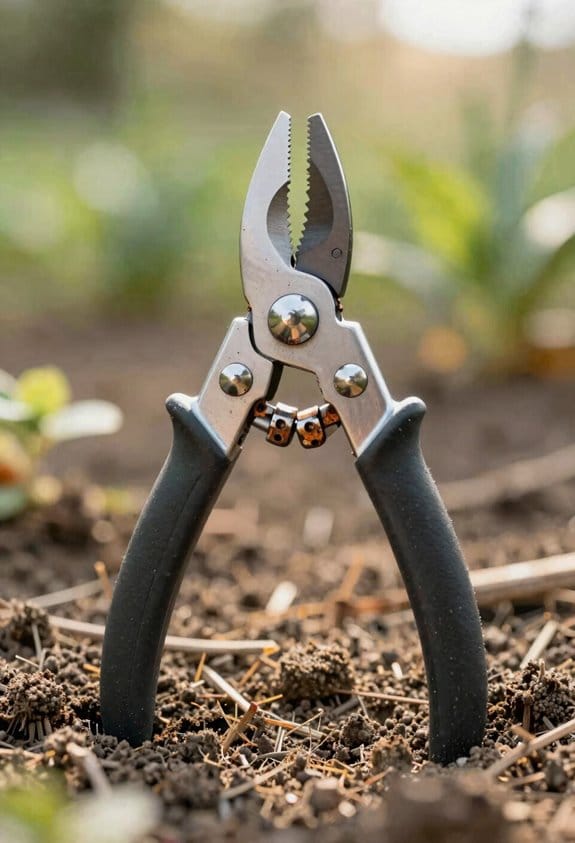
I’ve seen many beginner gardeners make the mistake of tossing their tools onto bare ground after a day’s work, thinking they’ll grab them later. This habit leads to serious problems. When tools sit on soil contact, moisture from the earth triggers rust formation on metal surfaces. Metal staining develops quickly, especially on shovels and spades that contain iron. Rust doesn’t just look bad—it weakens your tools’ structure and reduces their effectiveness. Additionally, bare ground storage exposes handles to damage and dirt accumulation. Instead, designate a proper storage location like a shed or garage. Dry your tools thoroughly before storing them. Hang them on wall-mounted hooks or store them in a designated bin. This simple practice extends your tools’ lifespan markedly and saves you money on replacements.
Never Stash Wet Tools in a Sealed Box
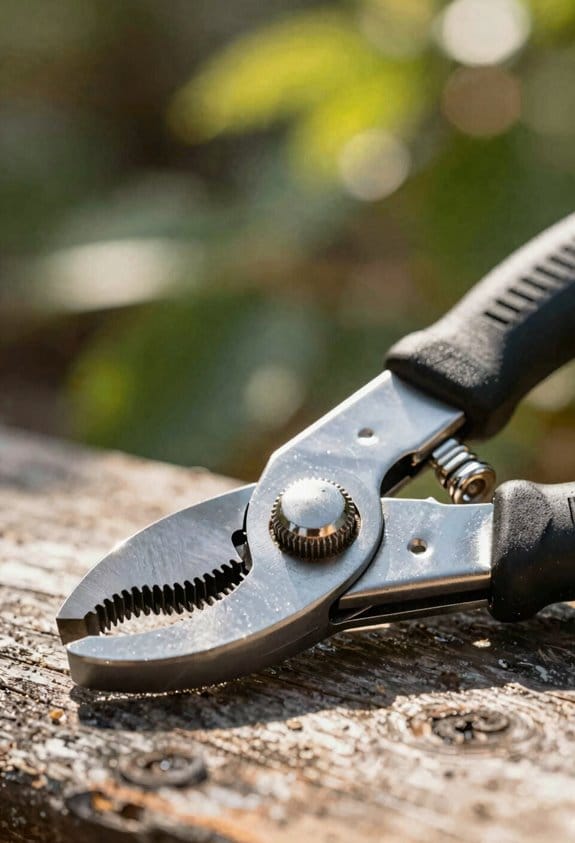
Although you might think storing wet tools in a sealed container protects them from damage, this practice actually accelerates rust formation and tool deterioration. When you trap moisture inside, you create an environment with high humidity control problems. Without air circulation, water remains trapped against metal surfaces, causing rapid oxidation. I learned this lesson when I stored my damp spade in a plastic toolbox. Within days, rust spots appeared across the blade.
Instead, dry your tools thoroughly before storage. Wipe them with a clean cloth after each use, and leave them uncovered in a well-ventilated area for several hours. This allows moisture to evaporate completely. Store tools in open racks or hanging systems rather than sealed containers, ensuring proper air circulation around each piece. This simple practice markedly extends your tool’s lifespan and maintains their effectiveness.
Stop Mixing New Equipment With Rusty Hand-Me-Downs
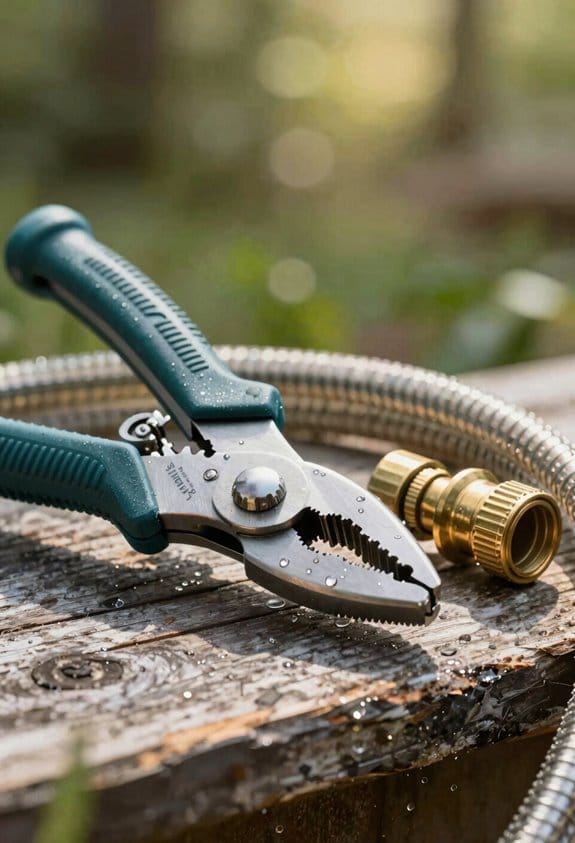
Many beginner gardeners make the mistake of combining inherited or older tools with their new equipment in shared storage spaces, and this practice can compromise your entire collection. Rusty hand-me-downs can transfer corrosion to your new tools through direct contact, creating a cascading deterioration problem. Before integrating older equipment, you should sanitize hand me downs thoroughly by scrubbing away rust with steel wool and applying a protective oil coating. Establishing a label ownership system helps you track which tools require maintenance and prevents accidentally using contaminated equipment. Store new and old tools separately in different locations or containers. This separation strategy protects your investment while allowing family heirlooms to be restored gradually without risking your quality new equipment.
Replace Flimsy Hooks and Nails That Drop Tools Into Plant Beds
When you hang your garden tools on weak hooks or corroded nails, you’re setting yourself up for damage that extends beyond your equipment. Flimsy fasteners loosen over time, causing tools to crash into your plant beds below. This falling debris can break delicate stems, crush seedlings, and bruise developing fruits or vegetables.
Invest in secure mounts designed specifically for garden tool storage. Heavy-duty hooks rated for your tools’ combined weight prevent accidents and protect your growing plants. Adding soft padding to hook contact points reduces scratching and corrosion on metal handles.
Check your storage system monthly, tightening any loose hardware before problems develop. Proper tool hanging keeps your equipment organized, accessible, and most importantly, prevents costly damage to the plants you’ve worked hard to cultivate.
Sort Tools by Garden Season, Not Just by Category
Because your gardening needs shift dramatically throughout the year, organizing tools by season rather than grouping all shovels together or all rakes in one spot will save you time and effort. Spring requires digging tools for soil preparation, while summer demands pruning shears and watering equipment. Fall calls for rakes and leaf-collection supplies, whereas winter needs minimal tools in most climates. This seasonal rotation prevents you from searching through irrelevant equipment when you need specific items. By understanding task timing for each season, you’ll access the right tools immediately. Store spring and summer tools separately from fall and winter equipment. Label storage areas clearly by season. This organizational method reduces frustration, improves efficiency, and helps you maintain your tool set better throughout the year.
Pick a Dry, Accessible Spot for Your Tool Storage
Beyond organizing by season, selecting the right storage location makes an enormous difference in protecting your tools and keeping them in working condition. Consider finding a spot that’s dry and shaded, away from direct sunlight exposure, which can fade handles and weaken materials over time. A garage, shed, or covered storage area works best. Your location should also offer easy reachability so you’ll actually use proper storage instead of leaving tools scattered outside. When tools remain accessible, you’re more likely to return them promptly after use. Avoid damp basements or areas where moisture accumulates, as these environments promote rust and corrosion. Keeping your tools in a well-chosen spot extends their lifespan greatly.
Keep Your Storage Area Protected From Rain and Moisture
While choosing a dry, accessible location provides the foundation for proper tool storage, protecting that space from rain and moisture requires additional attention to detail. Consider investing in weatherproof containers that shield your tools from water damage and rust formation. Elevated shelving keeps tools off ground level, where standing water and soil moisture accumulate. This arrangement allows air circulation underneath, preventing moisture buildup that corrodes metal surfaces. You should inspect your storage area regularly for leaks or condensation issues, especially during rainy seasons. Consider adding ventilation holes or using silica gel packets inside weatherproof containers to manage humidity. These preventive measures extend your tool lifespan markedly, protecting your initial investment while ensuring reliable equipment performance throughout your gardening seasons.
Check Your Tools Weekly for Rust and Damage Before It Spreads
Consider checking your tools weekly for rust and damage, since early detection prevents small problems from becoming costly replacements. When you inspect your equipment regularly, you’ll catch corrosion before it spreads to other tools in storage. Look closely at metal surfaces for orange or brown discoloration, which indicates rust formation. Monthly inspections should include examining handles for cracks, loose bolts, and bent blades. If you notice rust spots, clean them immediately with a wire brush and apply protective oil. For severely damaged tools, consider head replacements rather than discarding the entire implement. Addressing problems early keeps your collection functional and extends tool lifespan greatly. Establishing this weekly habit takes just fifteen minutes and saves you money over time.
For a useful next step, choose essential garden tools, start a garden with five basic tools and compare garden rakes. These guides cover the related maintenance or buying decision without changing the task explained here.
Frequently Asked Questions
How Do I Know Which Tools Are Essential for My Beginner Garden Setup?
You’ll find right-sized essentials matter most—a spade, hoe, and pruners suit most beginners. I’d match seasonal priorities to your region’s calendar, starting simple before expanding your collection unnecessarily.
What’s the Best Way to Clean and Maintain Tools Between Garden Seasons?
Consider cleaning off soil, sanitizing handles with a cloth, and lubricating joints with oil. Store tools dry in a protected space to prevent rust and damage between seasons.
Should I Invest in Expensive Professional-Grade Tools or Budget Options Initially?
Consider you buy quality mid-range tools rather than expensive professional-grade ones initially. You’ll avoid frustration while learning. Rent expensive equipment when needed, and upgrade gradually as your skills develop and tool needs become clearer.
How Can I Organize Tools Efficiently in a Small Storage Space?
Consider installing vertical racks on your shed walls to maximize space. Use magnetic strips for metal tools like pruners and shears. This keeps everything organized, prevents rust from ground storage, and makes finding tools quick.
What’s the Proper Technique for Tool Maintenance to Extend Their Lifespan?
proper sharpening keeps my blades efficient and rust prevention requires drying tools immediately after use and storing them off the ground. Regular maintenance like these habits greatly extends your tool lifespan.