


I clean my garden tools immediately after each use by rinsing them with a hose to remove loose dirt, then brushing away caked-on soil with a wire brush. I wipe everything with a damp rag and let it air dry completely. Afterward, I apply a light coat of mineral oil to all metal parts to prevent rust and corrosion. I also sharpen blades seasonally and sanitize tools exposed to diseased plants using a bleach solution. These simple steps keep my tools functioning properly for years, though there’s much more you can discover about extending their lifespan.
Key Takeaways
- Rinse tools immediately after use with a garden hose to remove loose dirt and debris.
- Apply preventative coatings like mineral oil or WD-40 after cleaning to reduce rust development.
- Sharpen pruners and shears seasonally to prevent dull blades from creating jagged plant wounds.
- Sanitize tools exposed to diseased plants using bleach solution or rubbing alcohol for disinfection.
- Oil all metal parts, joints, and blades with linseed or mineral oil after each cleaning.
Daily Tool Rinse and Brush: Remove Dirt Before It Sets
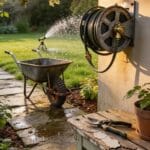
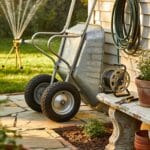
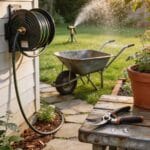
The most effective way to protect your garden tools from damage is to clean them daily, right after you’ve finished using them. Consider giving your tools a quick rinse with your garden hose to remove loose dirt and debris. This prevents soil from hardening and becoming difficult to remove later. After rinsing, I use bristle brushing to tackle any remaining caked-on dirt, working the bristles along the tool surfaces thoroughly. For stubborn soil residue, I apply a wire brush or putty knife carefully. Once I’ve removed all visible dirt, I wipe each tool with a damp rag and let them air dry completely. This simple routine prevents rust formation and keeps your tools functioning properly for years to come.
Stop Rust Before It Spreads

You may be interested
Even with consistent daily cleaning, rust can still develop on your garden tools if moisture isn’t completely removed or if you’ve neglected maintenance for a period of time. Consider applying preventative coatings like mineral oil or WD-40 to all metal surfaces after each cleaning session. These coatings create a protective barrier that reduces rust formation by controlling moisture exposure. For tools already showing rust spots, I suggest soaking them in a vinegar-water solution overnight, then scrubbing with steel wool. After removing rust, I always apply a fresh coat of lubricating oil to prevent recurrence. By combining moisture control techniques with regular oiling, you’ll greatly extend your tools’ lifespan and maintain their effectiveness for years of reliable garden work.
Sanitize After Disease Exposure

Garden tools can pick up disease-causing pathogens when you use them on infected plants, and proper sanitization is essential to prevent spreading those pathogens to healthy plants in your garden. Consider soaking tools exposed to diseased plants in a bleach solution of 2 cups bleach per gallon of water, then rinsing thoroughly. For bleach alternatives, I use rubbing alcohol on a cotton pad for quick sanitization. I also dip clean, dry tools in a diluted bleach solution of 1 cup bleach per 9 cups water. When I quarantine tools after treating diseased plants, I spray or soak them in disinfectant for 2 minutes and allow them to air dry completely before storing them separately.
Why Dull Blades Tear Plants (And How to Fix It)

Dull blades create jagged wounds on plant stems instead of making clean cuts, and I’ve observed that these torn tissues leave plants vulnerable to disease and pest invasion. When you use dull cutting tools, the ragged wounds don’t heal quickly, which increases infection risk markedly.
I sharpen my pruners and shears seasonally using specialized sharpening tools or stones. I focus on the outside bevel of the blade while keeping the inside smooth to prevent burring. If your tools wiggle between the blades, tighten the center nut first before sharpening.
After sharpening, I apply lubricating oil to joints and blades to maintain performance. Sharp tools make precise cuts that promote faster plant healing and healthier growth.
Oil and Coat Metal to Prevent Corrosion

After you’ve sharpened your tools and removed any rust, protecting the metal surfaces from future corrosion becomes your next critical step. Consider applying a light coat of linseed oil or mineral oil to all metal parts, which creates a protective barrier against moisture and oxygen that cause rust. You’ll want to rub the oil application onto blades, joints, and pivots with a soft cloth, leaving just a slight sheen on the surfaces. For additional protection, you can use WD-40 or silicone spray as a protective coating. This oiling process should become part of your routine after every cleaning session. By maintaining this consistent protective coating, you’ll greatly extend your tools’ lifespan and keep them functioning effectively for years.
For a useful next step, decide when a garden tool is too worn to repair and compare garden rakes. These guides cover the related maintenance or buying decision without changing the task explained here.
After cleaning, inspect the cutting edge and sharpen a sound garden tool only when the edge needs it.
Frequently Asked Questions
How Often Should I Apply Boiled Linseed Oil to Wooden Tool Handles?
Consider applying boiled linseed oil to your wooden handles seasonally—that’s about four times yearly—or at minimum annually. This seasonal maintenance prevents cracking and keeps your handles protected year-round.
What’s the Best Way to Remove Rust From Tool Blades Without Damaging Them?
I’d soak your blades in a vinegar-water mixture overnight, then scrub with steel wool or abrasive pads. For stubborn rust, I’d consider an electrolysis bath, which removes corrosion without harming the blade’s integrity.
Can I Use Household Vinegar for Rust Removal, or Do I Need Special Vinegar?
You can absolutely use household vinegar—it’s like liquid gold for rust removal. Consider standard household vinegar with 5% acetic concentration. It’ll work just fine soaking your blades overnight before scrubbing with steel wool.
How Do I Know When My Pruning Shears Need Sharpening?
I’d check if your pruning shears feel dull when cutting—they should slice cleanly without crushing stems. If you’re noticing a dull pivot or misaligned blades affecting performance, it’s definitely time to sharpen them.
Should I Store My Garden Tools Indoors or Outdoors During Winter Months?
Consider storing your garden tools indoors during winter months. You’ll protect them best in insulated sheds or climate-controlled spaces. This prevents rust, weather damage, and extends your tools’ lifespan considerably.


