

Your pruning shears need replacing when jagged cuts replace clean slices, indicating blade wear that sharpening can’t fix. Test them on branches of varying thickness—sluggish closing or incomplete cuts signal trouble. Inspect blades under good light for deep corrosion pitting, which compromises steel integrity. Check springs for weak tension by opening and closing repeatedly; if they feel unresponsive, replacement parts might restore function. Compare repair costs to new shears—if parts cost less than half the price of new tools, repairs make sense. Understanding these warning signs helps you decide whether maintaining your current shears remains worthwhile or if investing in new ones serves you better.
Key Takeaways
- Jagged, chipped cutting edges that sharpening cannot restore indicate blade structural degradation beyond repair.
- Incomplete cuts or crushing branches instead of clean slicing signals worn blades need replacement.
- Sluggish closing and heavy operation suggest spring tension loss requiring component or full replacement.
- Deep corrosion pitting across the cutting edge compromises blade integrity beyond surface rust removal.
- When replacement parts cost less than half new shears’ price, repair remains worthwhile; otherwise replace.
Signs Your Blades Are Too Worn to Sharpen
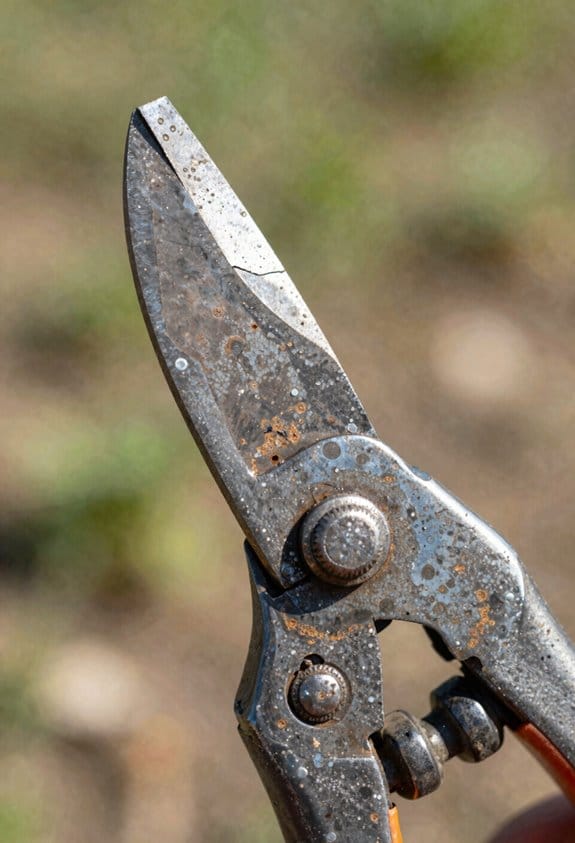
Recognizing when your pruning shear blades have deteriorated beyond sharpening requires understanding the difference between normal wear and permanent damage. When you notice jagged or chipped cutting edges, sharpening won’t restore proper function. Similarly, if your blades exhibit uneven dulling patterns across the cutting surface, this indicates structural degradation rather than simple bluntness. The cutting angles on quality blades should remain consistent; when they become misaligned or filed down excessively, replacement becomes necessary. You might observe that your shears produce incomplete cuts or crush branches instead of slicing cleanly through them. These signs suggest the blade has lost its integrity. At this point, attempting further sharpening wastes time and effort. Investing in replacement blades restores your tool’s cutting performance effectively.
When Springs Lose Tension (and Need Replacement)
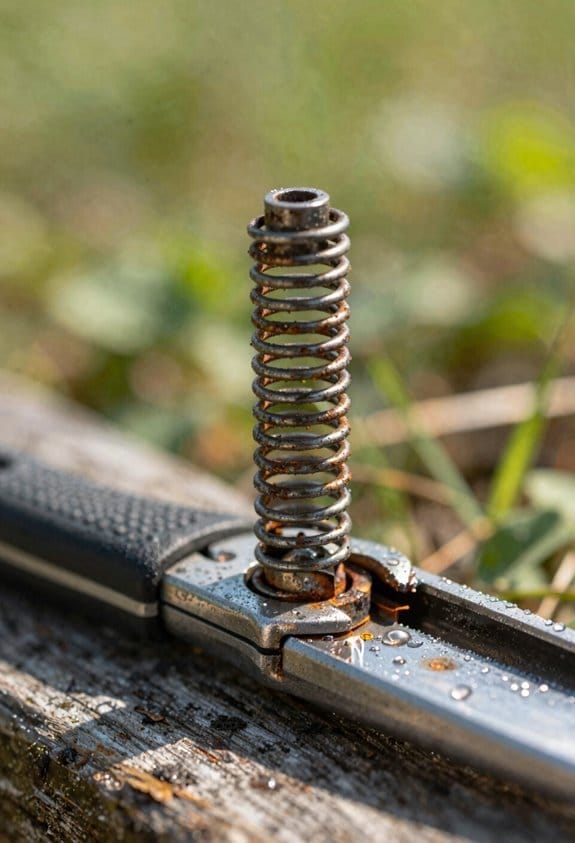
While blade sharpness gets most of the attention, your pruning shears’ spring mechanism is equally important to overall performance and lifespan. I’ve found that weak springs cause sluggish operation and incomplete closure, preventing your shears from cutting effectively. You can perform tension testing by opening and closing your shears several times; if they feel heavy or unresponsive, the spring’s likely worn out. Spring replacement is straightforward and far cheaper than buying new shears entirely. Many manufacturers recommend annual spring replacement as preventative maintenance, especially if you use your pruning shears frequently. Worn springs lose their resistance gradually, so you might not notice the decline until your tool performs noticeably worse. Addressing spring issues early extends your tool’s working life considerably.
Recommended Products

These traditional bonsai scissors are designed for accurate trimming and deadheading that won't harm your plants - ideal for bonsai pruning, cutting branches and roots, and anything where quick snips and clean cuts are a must!

Great garden shears for serious gardeners. This is a heavy, high quality pruning shear you’ll be proud to own or gift. These garden pruners are a classic design and feel expensive. Every gardener needs this pruner, but most gardeners don’t have one.

Test Your Shears’ Cutting Performance at Home
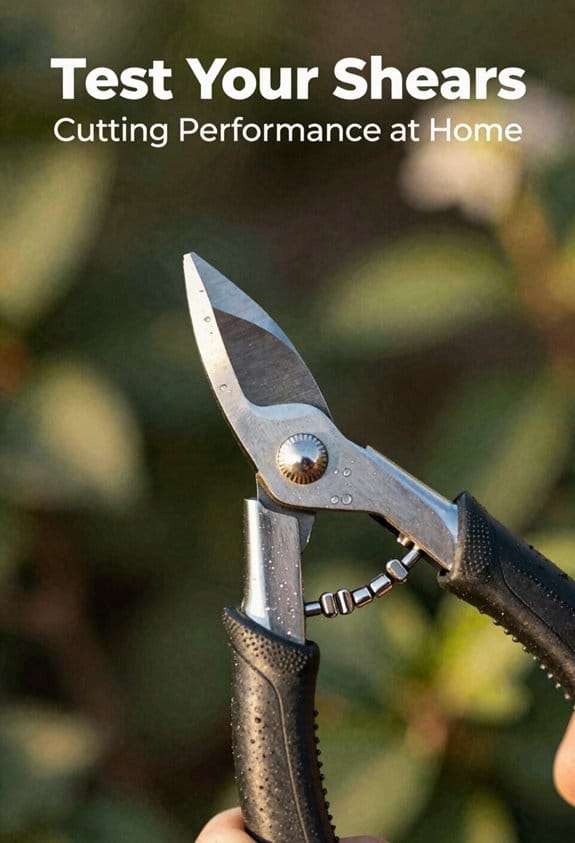
Before deciding whether your pruning shears need replacement parts or a complete replacement, you should conduct a simple performance test using materials you have around your home. Gather several branches of varying thicknesses to serve as branch gauges for your cutting tests. Start with thin branches, then progress to thicker ones that match your shears’ intended cutting capacity. Observe how cleanly the blades cut through each sample. If you notice jagged edges, incomplete cuts, or excessive effort required, your shears likely need attention. Clean cuts indicate proper blade alignment and sharpness. Sluggish closing or difficulty controlling pressure during cutting tests suggests internal component wear. These straightforward cutting tests reveal whether replacement parts or a new tool is necessary.
Recommended Products

At full capacity, this battery will last a full 12 hours and will complete more than 15, 000 cuts on 1. 5-inch/35mm branches. This pruner is super light weighing in at 1. 9-pounds/0. 9kg

12-Pack, 13.5-inch (350mm) straight edge saw blade

12-Pack, Zenport SF130 SK5 Steel 5-Inch Folding Pocket Boy Pruning Saw
Rust on Blades: When Corrosion Means Replacement
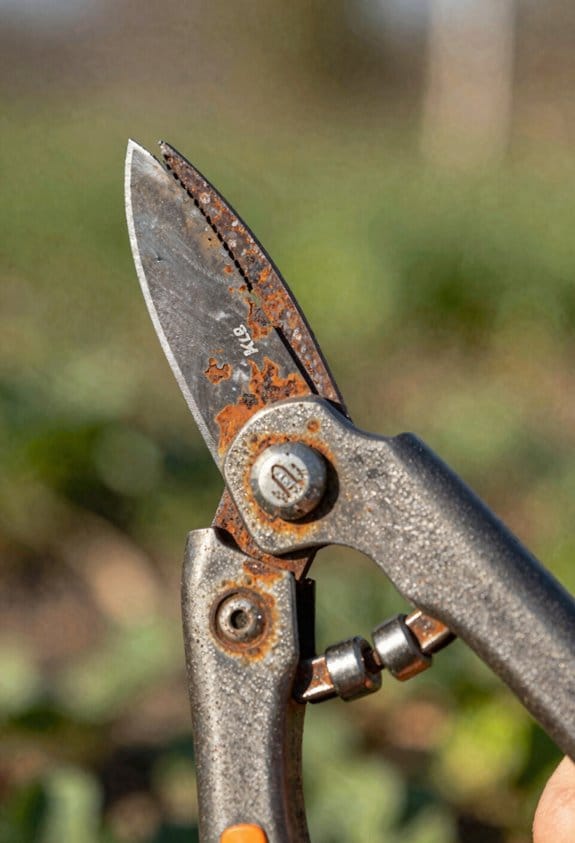
Once you’ve tested your shears’ cutting performance, it’s equally important to examine the blades themselves for signs of rust and corrosion, since these issues often develop silently between uses. I recommend inspecting your blades under good lighting, looking closely for surface pitting or discoloration that indicates oxidation has begun. Minor surface rust can sometimes be removed with a wire brush and oil, but deeper corrosion that’s eaten into the metal compromises the blade’s integrity. When protective coatings have worn away completely, rust accelerates rapidly, weakening the steel. If corrosion is extensive or has created pits across the cutting edge, replacement becomes necessary, as the blade won’t hold its sharp edge or function reliably during pruning tasks.
Recommended Products

8-in-1 Multi-Function Set: This all-in-one gardening toolkit includes a pole saw, hedge trimmer, grass Shears, pruner, and more, allowing you to handle various yard tasks without frequently switching tools. By sharing the extension pole and battery, it offers exceptional value, saves storage space and cost, and ensures a seamless workflow. A one-stop purchase that saves you selection time


【2-in-1 Versatility】Prunarbo electric pruning shear offers flexible use — handle close-up trimming with ease, or attach the adjustable extension pole to tackle high branches without a ladder. The pole extends from 4.2 to 8.2 feet, giving you extra reach for tough spots while keeping your feet safely on the ground. This combo is perfect for heavy-duty garden pruning jobs, both low and high.
Blade Longevity: How Maintenance Beats Age
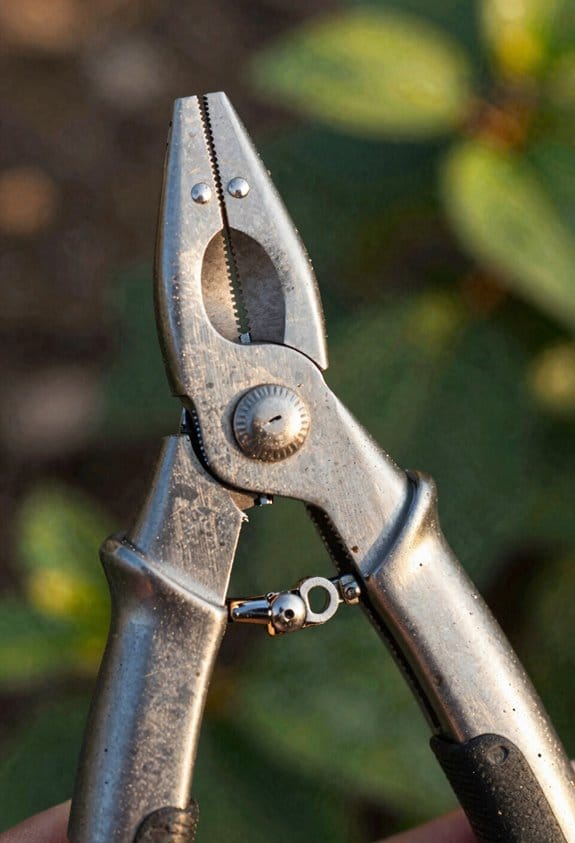
Regular maintenance transforms how long your pruning shears’ blades actually last, often extending their useful life far beyond what age alone would suggest. You can keep blades sharp and functional for years by practicing preventive lubrication, which reduces friction and rust formation on metal surfaces. Applying oil regularly protects against corrosion that would otherwise compromise cutting performance. Seasonal inspections help you catch problems early, before minor wear becomes irreversible damage. By checking your shears before spring pruning and after fall cleanup, you’ll identify worn components that need replacement. This proactive approach means your expensive pruning shears remain reliable tools rather than becoming disposable items. Age matters less than how well you maintain your equipment.
Replacement Parts vs. New Shears: The Price Breakdown
Maintaining your pruning shears through regular care keeps them working longer, but eventually you’ll face a decision: should I buy replacement parts or invest in completely new shears?
A budget comparison reveals that replacement blades and springs cost markedly less than purchasing new pruning shears. Most replacement parts, especially for quality brands like Felco, cost a fraction of what you’d spend on new tools. For expensive professional-grade shears, replacing worn components makes financial sense.
However, consider resale value when deciding. Well-maintained shears with replaced parts retain value better than worn-out originals. If your shears are severely damaged beyond simple part replacement, investing in new ones might offer better long-term value and performance reliability.
Recommended Products

LIghtweight Aluminum Handles

CUTCO Forever Guarantee provides for free sharpening and replacement forever.

ERGONOMIC HANDLE -- The ergonomic design of the KOMOK electric pruners handle provides a secure, comfortable grip to reduce stress and fatigue form your hands.
Make Your Repair or Replace Decision
Because the choice between repairing and replacing your pruning shears depends on several practical factors, I’ll help you evaluate what makes the most sense for your situation. First, consider your cost threshold—if replacement parts cost less than half the price of new shears, repair becomes worthwhile. Second, examine your usage patterns; frequent gardeners justify investing in quality replacement parts, while occasional users might prefer purchasing new tools. Assess the tool’s age and condition, checking whether multiple components show wear simultaneously. If your shears are relatively new with isolated damage, replacement parts make economic sense. However, when numerous parts deteriorate together, purchasing new shears often proves more practical and cost-effective long-term.
Recommended Products
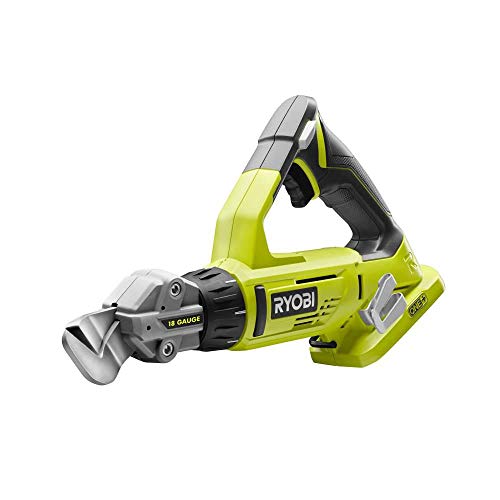
For cutting sheet metal, vinyl siding, shingles and chicken wire

Janitorial & Cleaning Supplies

Axe for splitting large, difficult to split trunks > 30 cm for the stove, fireplace, grill or campfire as well as for severing lateral branches
Frequently Asked Questions
How Often Should I Perform Routine Maintenance on My Pruning Shears to Prevent Premature Wear?
I’d recommend performing seasonal inspections and blade sharpening before each growing season. Regular lubrication after use and debris removal prevent rust and sluggish operation, extending your shears’ lifespan markedly.
Can WD-40 or Other Lubricants Restore Sluggish Pruner Movement Caused by Internal Component Damage?
I’d caution that while WD-40 temporarily improves movement, it can’t fix underlying internal corrosion or component damage. You’ll likely need replacement parts—lubricant limitations mean it’s only a temporary solution for sluggish shears.
What Is the Typical Lifespan of Professional-Grade Pruning Shears With Regular Seasonal Care?
I’ve found that quality pruning shears last 10-15 years with seasonal care. You’ll want to check durability benchmarks and warranty coverage—they’re reliable indicators of how long your investment’ll truly hold up.
Are Generic Replacement Parts Compatible With All Major Pruning Shear Brands and Models?
I’ve found that generic replacement parts don’t universally fit all brands due to strict brand tolerances. You’ll need to verify third party compatibility with your specific shear model before purchasing replacements.
How Do I Know if Misaligned Pivot Pins Are Causing Uneven Cutting Pressure?
I watched a crooked picture frame slide sideways—that’s what misaligned pivots do. You’ll notice blade wobble and uneven cutting pressure when I manually close your shears. Pivot wear causes one side to bite harder than the other, creating jagged cuts instead of clean ones.


