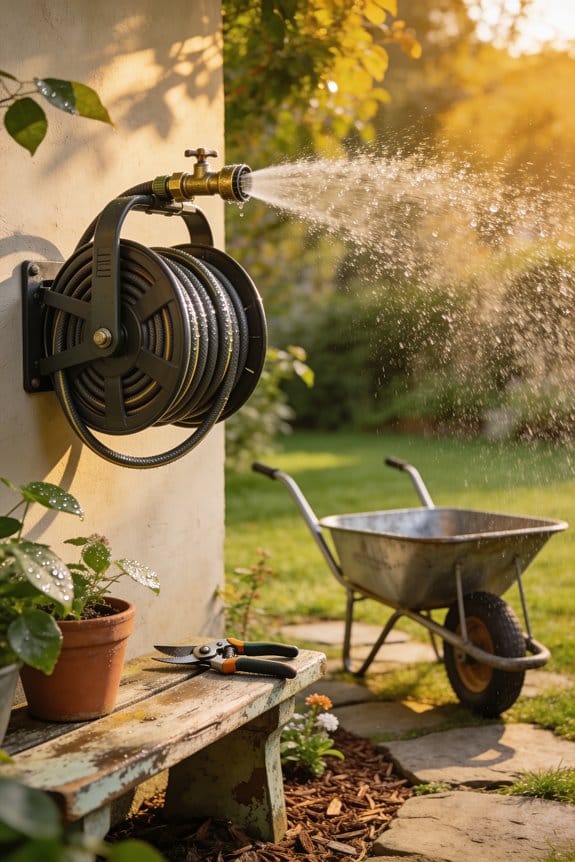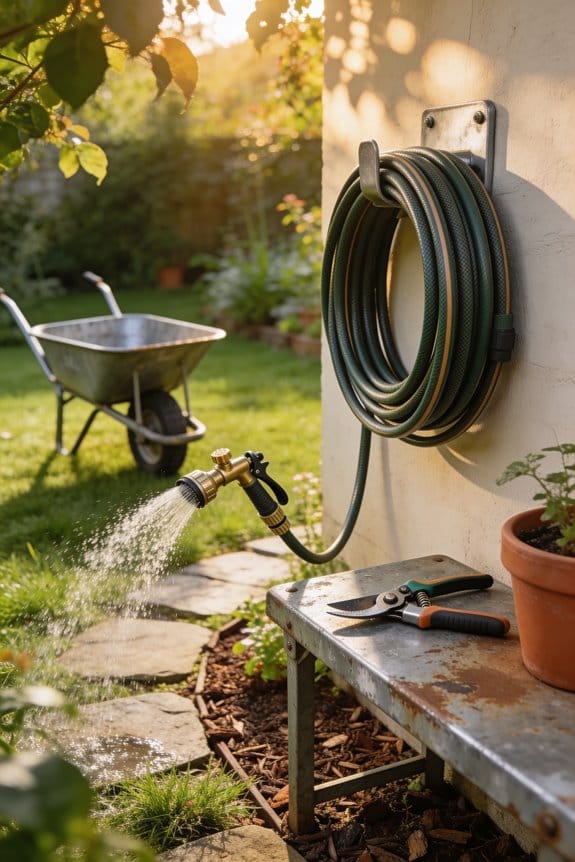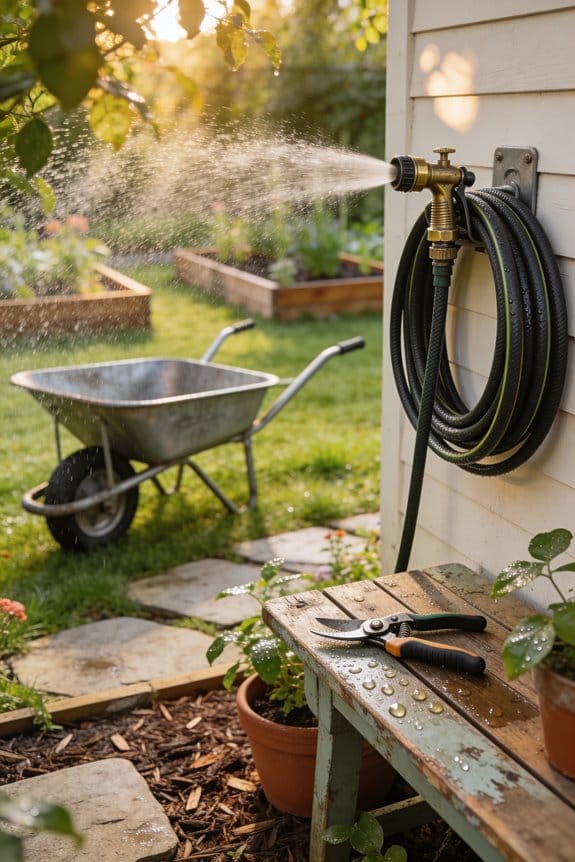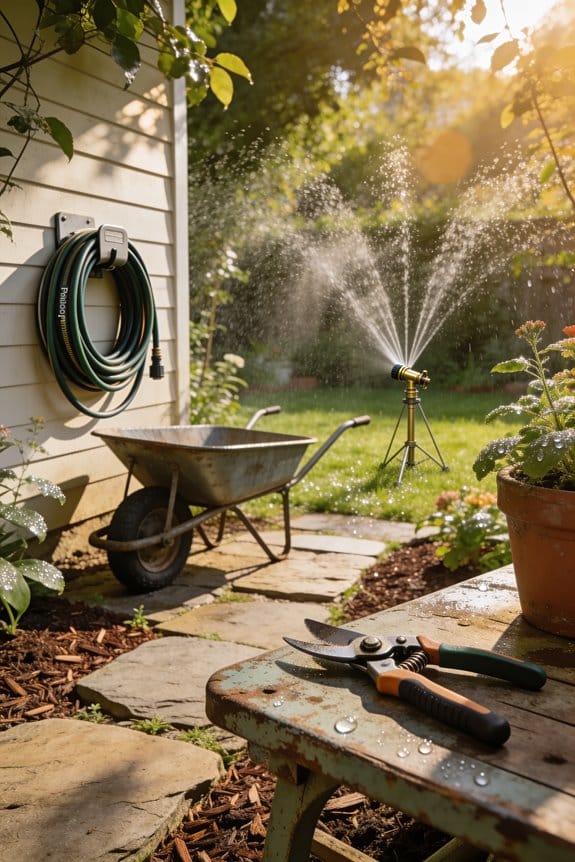


Year-round tools like garden gloves, hand trowels, and ergonomic loppers handle essential tasks every season, making them worth their storage space because they reduce replacement costs. Seasonal tools, by contrast, target specific jobs that only appear during certain months—irrigation equipment peaks in summer, while leaf rakes matter most in fall. I’d recommend buying year-round basics first, then adding seasonal equipment strategically during sales events rather than peak demand periods. Understanding this distinction helps you avoid cluttering your shed while keeping gardening costs manageable throughout the year. There’s much more to discover about timing your purchases strategically.
Key Takeaways
- Year-round tools like gloves, trowels, and loppers support consistent gardening tasks across all seasons without replacement.
- Seasonal tools address specific needs during peak gardening periods, such as irrigation equipment during summer months.
- Year-round tools justify storage space through reduced long-term replacement costs and versatile functionality throughout the year.
- Seasonal tools experience price fluctuations based on demand, with summer costs highest and fall offering clearance discounts.
- Strategic purchasing of seasonal tools in March or August maximizes savings while aligning acquisitions with actual gardening needs.
Year-Round Tools That Earn Their Storage Space
When you’re deciding which tools deserve permanent spots in your shed or garage, you’ll want to focus on the equipment that’ll handle tasks across every season, because investing in versatile, durable tools means you won’t waste money replacing them yearly. Garden gloves protect your hands from dirt and sharp objects throughout the year, making them essential regardless of what you’re planting or pruning. A compact wheelbarrow stays useful for hauling soil, mulch, and garden waste in spring, summer, fall, and winter. Hand trowels support ongoing planting and weeding tasks year-round. Ergonomic loppers maintain plant health through consistent pruning across seasons. These foundational tools represent smart investments that justify their storage space by providing reliable functionality and reducing long-term replacement costs markedly.
Recommended Products
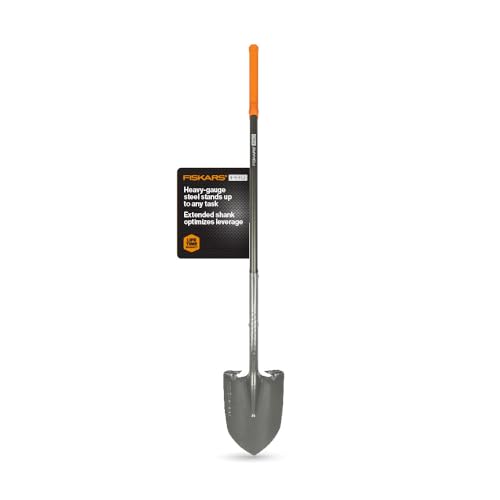
GARDENING ESSENTIAL: Heavy duty, ergonomic shovel ideal for a variety of gardening tasks like digging in tough soil, digging all holes, turning soil, and more to encourage overall plant health and appearance

GARDENING ESSENTIAL: Heavy duty, ergonomic shovel ideal for a variety of gardening tasks like digging in tough soil, digging all holes, turning soil, and more to encourage overall plant health and appearance
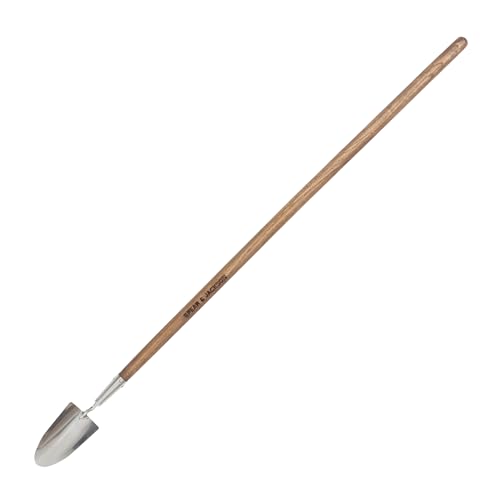
Premium Quality Construction: Crafted from high-grade stainless steel, this trowel offers exceptional strength and resistance to corrosion, ensuring longevity in your gardening toolkit
Spring Garden Tools: Why You Can Wait Until March
While year-round tools form the foundation of any gardener’s collection, spring-specific equipment requires a different purchasing approach than those permanent fixtures. You can wait until March to buy garden forks and pruning shears because spring sales events offer significant discounts during early season before peak gardening demand increases. Your seedling timelines don’t require purchasing tools immediately; retailers provide early bird specials and flash sales during holiday weekends. Additionally, late frost risks persist through early spring, meaning you won’t need all equipment simultaneously. By delaying purchases until March, you’ll secure better prices while aligning tool acquisition with your actual planting schedule. This strategic timing maximizes your savings without compromising garden preparation.
Summer Heat, Summer Prices: How Demand Drives Costs
During the height of summer gardening season, you’ll notice that tool prices reach their peak, and there’s a straightforward reason behind this pattern: demand far outweighs supply. This phenomenon demonstrates price elasticity, where retailers increase costs when gardeners actively purchase equipment. Watering scarcity during dry months makes irrigation equipment especially expensive, as everyone simultaneously seeks solutions for maintaining plants. Peak demand creates competition among buyers, allowing retailers to charge full prices without offering discounts. Cooling equipment and specialized summer tools command premium pricing because gardeners need them immediately. Unlike spring’s moderate sales or fall’s clearance events, summer represents the least favorable purchasing period. I’d recommend planning ahead and buying summer essentials during late spring or waiting until August when retailers begin clearing inventory, marking the shift toward autumn sales opportunities.
Recommended Products

UNDERHILL HC-TRL-100 HOSE CADDIE TRAILER: Includes our commercial quality outdoor hose reel, full size golf cart tires, and hubs for smooth use. The strongest hose trailer on the market.

E.Sybox is an integrated electronic water booster system for domestic and residential use

Due to weight and size this pump only ships by Freight Truck
Fall Sales: When Discounts Run Deepest
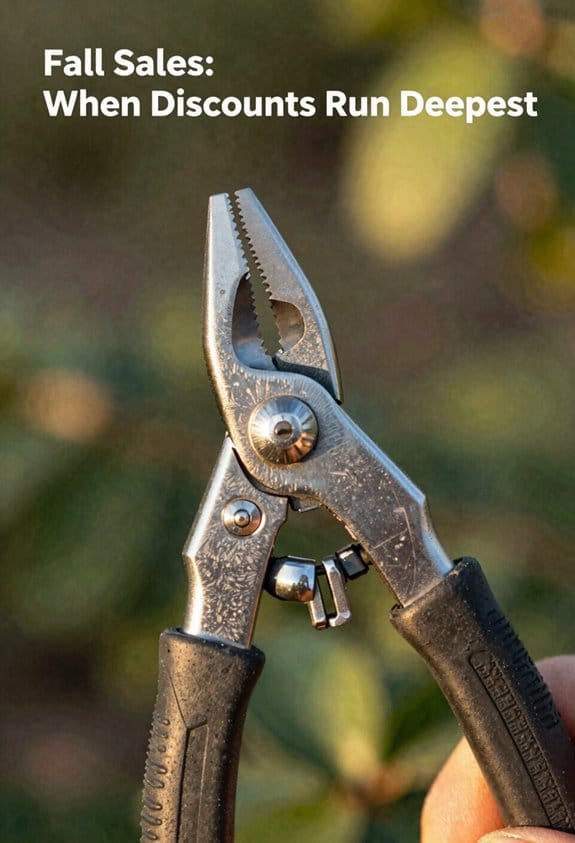
As summer’s peak pricing fades, fall emerges as the year’s most advantageous shopping window for gardeners seeking substantial savings. During late summer to early fall, retailers experience their deepest discount periods because they’re clearing inventory for winter products. This clearance timing creates prime retailer windows where you’ll find mowers, trimmers, and other seasonal equipment marked down markedly. I’ve discovered that shopping during this shift period lets me stock up on quality tools before demand drops further into winter. The inventory reduction strategy that retailers use actually benefits budget-conscious gardeners like me. By understanding these clearance cycles, you can purchase premium equipment at fraction-of-peak prices, ensuring you’re prepared for next season’s gardening without overspending.
Small Garden or Large: Right-Size Your Toolkit
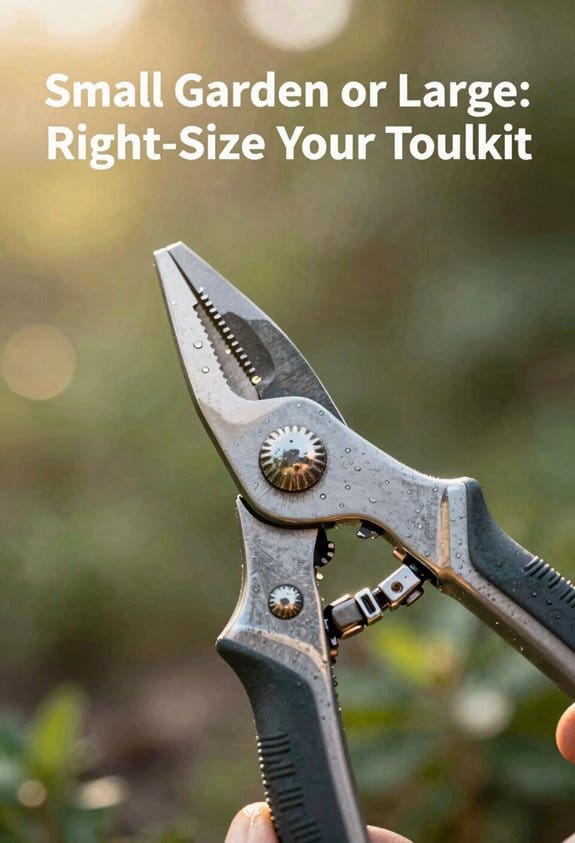
One of the biggest mistakes gardeners make is buying tools that don’t match their garden’s size, which leads to wasted money and cluttered storage spaces. Tool scaling guarantees you’re investing in equipment that actually serves your needs. If you’re managing a small garden, basic tools like hand trowels and compact rakes provide efficiency without excess bulk. Larger gardens, however, demand heavier-duty equipment including full-sized shovels and all-encompassing pruning shears for adequate performance. Consider ergonomic handles when selecting any tool, since they reduce strain during extended use. Matching your toolkit to your garden’s dimensions prevents unnecessary purchases while maximizing functionality and comfort. Start with essential year-round tools, then add specialized equipment as your gardening ambitions expand.
Recommended Products
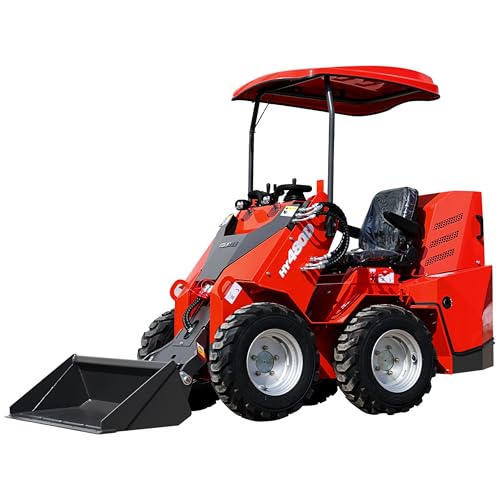
**POWERFUL B&S V-TWIN ENGINE:** Driven by a robust 23HP B&S V-twin double-cylinder gasoline engine (3600 rpm) with an electric start. Features a 6 gal fuel tank for reliable operations with highly efficient fuel consumption (under 6.7 L/h).

LARGE DISPENSER, SCRAPLESS DESIGN: Accommodates a wide range of plant tying tape roll sizes, cutting cleanly without leaving scraps behind.

H324 Fruit Clippers, 4.5-Inch, feature alloy steel blades in a blue ergonomic handle, ideal for cleanly snipping fruit stems or foliage in tight growing environments.
Specialized Tools Worth the Investment (vs. Basics You’ll Actually Use)
Before you invest in expensive specialized equipment, I’d recommend examining which tools you’ll genuinely use versus which ones will gather dust in your shed. Basic hand trowels, pruning shears, and wheelbarrows serve most gardeners well year-round. However, specialized tools like soil sensors and compost thermometers offer genuine value if you’re serious about monitoring growing conditions. Soil sensors help you understand moisture and nutrient levels, while compost thermometers make certain your pile reaches proper decomposition temperatures. These investments make sense when you’re actively gardening regularly. For occasional gardeners, stick with versatile basics. Consider your actual gardening habits, available storage space, and budget before purchasing specialized equipment that you might rarely use.
Recommended Products

ON DEMAND SOIL DATA: Get 6 instant readings, Soil Moisture, Soil Temperature, Bulk Soil Electrical Conductivity, Pore Water EC, Air Temperature, and Air Humidity. Simply insert the TDR sensor into your growing medium and get accurate results. Works across natural soils, coco coir, rockwool, perlite blends, and peat. Giving you a complete picture of your soil in any environment.

ON DEMAND SOIL DATA: One tap delivers six simultaneous readings, Soil Moisture (VWC), Soil Temperature, Bulk Soil EC, Pore Water EC, Air Temperature, and Air Humidity. All displayed on the built-in LCD screen. No waiting, no guesswork, just actionable field data in under a quarter second.

Professional accuracy – TEROS 12 dielectric sensor measures moisture, EC and temperature with lab-grade precision.
Off-Season Buying Strategy: Storage, Timing, and Savings
Now that you’ve identified which tools deserve your investment, timing your purchases strategically can stretch your gardening budget considerably further. I’ve found that buying tools during off-season logistics—when retailers clear inventory—delivers the deepest discounts. Winter shifts offer the best savings, since demand drops markedly and stores need shelf space for new products.
Before committing to off-season purchases, I assess my storage capacity carefully. Climate proofing storage matters tremendously; I keep tools in dry, temperature-controlled spaces to prevent rust and deterioration. Spring sales provide moderate discounts as gardeners prepare for growing season, while late summer through early fall offers prime purchasing windows with substantial markdowns.
Strategic timing combined with proper storage transforms my tool acquisitions into long-term investments rather than expensive impulses.
Recommended Products

48-inch minimum base cabinet width.

Constructed of environmentally friendly, zero emissions solid wood, engineered to prevent warping and last a lifetime. 12-stage wood preparation, sanding, painting and hand-finishing process. Highly water-resistant low V.O.C. sealed finish. Beautiful transitional styling that compliments any bathroom. Practical Floor-Standing Design.
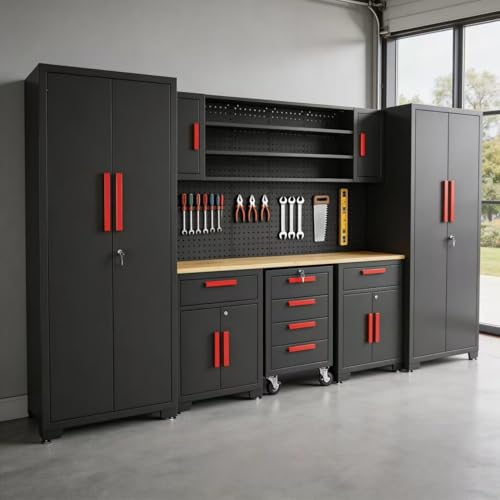
Dimensions: The size of garage storage cabinet set is 130"L x 19"D x 76"H. Garage storage cabinets system includes locker x2, wall cabinet x2, 1-drawer roller cabinet x2, 4-drawer roller cabinet x1, 71" workbench x1, pegboard x10 and shelving to connect the wall cabinets x4. For stability, high cabinets can optionally be fixed to the wall. Overall weight capability 820LBS.
Frequently Asked Questions
Which Gardening Tools Require Regular Maintenance to Function Properly Year-Round?
I’ve found that pruning equipment demands regular pruner sharpening to maintain cutting efficiency, while watering tools need hose winterization before cold months. Your wheelbarrows and spades also require periodic maintenance for consistent performance.
How Do Material Choices Like Stainless Steel Affect Tool Longevity and Performance?
You’ve got to spend money to save money. I’ve found that stainless durability outperforms standard steel—its corrosion resistance means your tools won’t rust or degrade, extending their lifespan markedly and reducing replacement costs over time.
What Adaptive Tools Help Gardeners With Mobility Limitations Work Comfortably?
I’ve found ergonomic pruners with cushioned grips reduce hand strain markedly. You’ll also benefit from raised beds, which eliminate excessive bending and allow you to garden comfortably from a standing or seated position.
Are Online Marketplaces or Local Stores Better for Finding Seasonal Tool Deals?
Like treasure hunters comparing maps, I’d say both venues shine differently. I’ve found online auctions and flash sales offer deeper discounts, while local stores provide immediate gratification and personal haggling opportunities during clearance events.
Which Harvest-Specific Tools Improve Efficiency During Peak Picking Seasons?
I’ve found that specialized harvest tools like basket rakes and cooling gloves genuinely transform my peak picking seasons. They’ll speed up your repetitive tasks, reduce hand fatigue, and let you comfortably harvest more produce efficiently.