

As you age, stiffness in your hands and joints makes traditional pruners harder to use, but ergonomic models change that. Spring-action mechanisms automatically open blades, reducing the squeezing force you need for each cut. Cushioned, molded grips minimize pressure points, while lightweight aluminum construction decreases fatigue during extended use. Ratchet-style pruners multiply your cutting power across multiple squeezes, letting you handle thicker branches without strain. These features help you maintain gardening independence despite arthritis or reduced dexterity. Understanding which pruner type matches your specific needs unleashes years of pain-free gardening.
Key Takeaways
- Age-related joint stiffness and arthritis make traditional pruning painful, but ergonomic designs with spring-action and ratchet mechanisms reduce required hand force significantly.
- Repetitive cutting movements cause muscle fatigue in older gardeners; ergonomic pruners minimize effort per cut, enabling longer gardening sessions with less strain.
- Long-handled and pole pruners eliminate dangerous bending and ladder use, protecting the back while maintaining proper posture during overhead branch access.
- Lightweight aluminum construction and cushioned grips reduce hand and wrist strain during extended use, preventing long-term joint damage from sustained grip demands.
- Ratchet and spring-assisted pruners allow continued gardening despite reduced dexterity or arthritis, helping older gardeners maintain independence and physical activity through adaptive tools.
The Physical Toll of Traditional Gardening on Aging Hands and Joints
As you get older, you’ll likely notice that gardening—particularly pruning—becomes more physically demanding than it once was. Age-related stiffness in your hands and joints makes repetitive cutting movements increasingly uncomfortable. Traditional pruners require sustained grip strength, which arthritis and reduced hand dexterity can greatly compromise. When you bend and reach for branches, your back absorbs considerable strain, often resulting in prolonged pain.
You may be interested



These physical challenges accumulate during extended gardening sessions, causing muscle fatigue that limits how long you can work. Joint strain increases with each pruning task, potentially causing long-term damage to your hands and wrists. Grip adaptive tools, like ergonomic pruners with cushioned handles and spring-action mechanisms, directly address these limitations by reducing the force you need to apply, allowing you to garden longer while protecting your aging body from unnecessary stress.
How Ergonomic Design Cuts Pain and Strain Out of Pruning

When you grip a standard pruner, your hand muscles must work hard to squeeze the handles together and cut through branches, which creates strain on your joints and fingers. Ergonomic pruners solve this problem through thoughtful design features that reduce pressure points and discomfort.
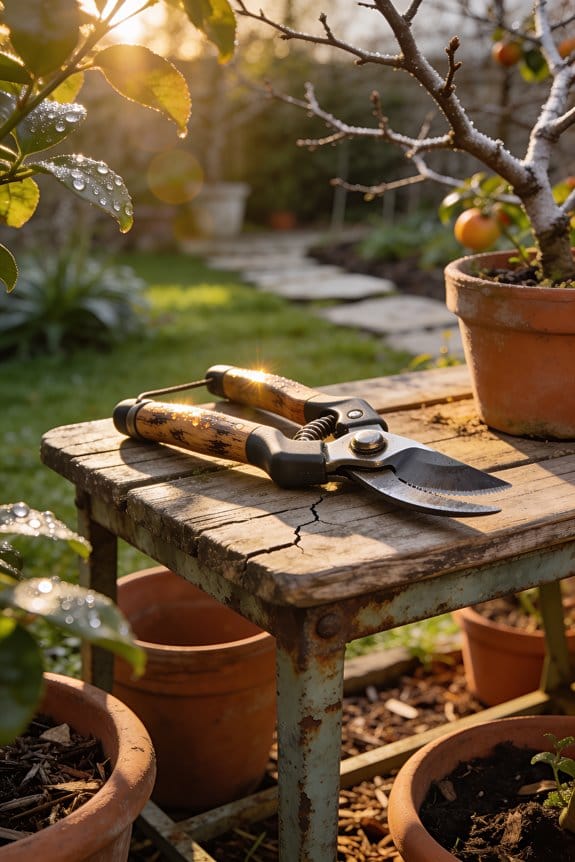
Spring-action mechanisms do much of the cutting work for you, requiring less squeezing force from your hands. Cushioned, molded grips promote proper grip alignment, positioning your hand naturally to minimize stress on your wrists and fingers. Lightweight aluminum construction means you’re not fighting against heavy tool weight during extended pruning sessions.
Ratchet-style pruners cut thick branches gradually rather than requiring one powerful squeeze. These design improvements mean you’ll experience less pain, fatigue, and joint strain while maintaining the independence and satisfaction that gardening brings.
Why Spring-Action and Ratchet Pruners Make Cutting Easier for Weak Grips

If you’ve ever struggled to squeeze a standard pruner hard enough to cut through branches, you’re experiencing what many older gardeners face with weakened grip strength. Spring-action pruners solve this problem by doing much of the work for you. These tools use a built-in spring mechanism that automatically opens the blades after each cut, reducing the force your hands must apply. Ratchet pruners work differently, using a mechanical system that multiplies your cutting power with each squeeze. This means you’ll need less hand strength to cut thicker branches. Both designs provide tactile feedback, letting you feel when the cut is complete. For gardeners with arthritis or reduced dexterity, these innovations restore confidence and enable longer gardening sessions without exhaustion or pain.
Pick the Right Ergonomic Pruner for Your Needs

Now that you understand how spring-action and ratchet pruners reduce the physical effort needed for cutting, selecting the right tool for your specific situation becomes the next important step. Consider your hand size and grip strength when evaluating handle fit, since a comfortable grip prevents hand fatigue during extended use. Look for pruners with cushioned, molded handles that conform naturally to your palm. Examine blade coatings, which reduce friction and prevent sap buildup, making cuts cleaner and easier. For thicker branches, ratchet pruners require less squeezing force than standard models. Pole pruners help you avoid bending and reaching, protecting your back. Test different tools before purchasing to make certain they feel right in your hands and match your gardening tasks.
Pruner Types: From Shears to Pole Cutters and Battery-Powered Options

Because different gardening tasks require different tools, understanding the range of pruner types available helps you choose the most effective option for your needs. Pruning shears work well for hedges and small branches, while lopping shears handle thicker wood up to three inches. Pole pruners let you reach high branches without straining your back or climbing. Ratchet pruners multiply your cutting force, making them ideal if arthritis limits your grip strength. Battery ergonomics have revolutionized gardening; cordless electric pruners eliminate manual effort entirely, reducing cutting noise and fatigue. These motorized options prove especially valuable during extended sessions. Each tool type addresses specific physical challenges, so matching the right pruner to your task guarantees both effectiveness and comfort while protecting your joints.
Reach Without Back Pain: Long-Handled Pruners and Pole Cutters
One of the most significant challenges older gardeners face involves reaching high branches without bending excessively or climbing unstable ladders, which is where long-handled pruners and pole cutters become invaluable tools. These extended-reach tools allow you to access overhead branches while maintaining proper posture, eliminating the need for dangerous ladder use. Pole cutters, which typically extend 8 to 15 feet, provide extended reach safety by keeping you firmly on the ground. Long-handled pruners similarly protect your back by reducing bending and twisting motions that strain joints and muscles. When selecting these tools, prioritize lightweight designs and ergonomic handles that distribute weight evenly. This reach saving posture approach lets you complete pruning tasks effectively while protecting your spine and preserving your independence.
What Studies Show About Gardening and Hand Strength
Strengthening your hands through regular gardening isn’t just a pleasant side effect—it’s a documented health outcome supported by scientific research. Studies show that gardeners develop measurably stronger grip strength compared to non-gardeners, a finding that reflects both physical conditioning and neural adaptations occurring in the brain. When you use ergonomic pruners repeatedly, your hands undergo grip rehabilitation naturally, as muscles strengthen and nerve connections improve. Researchers examining multiple health areas consistently found that older adults who garden regularly demonstrate enhanced hand strength and dexterity. These neural adaptations—the brain’s rewiring for improved motor control—contribute markedly to this development. The combination of resistance from cutting branches and the precise movements required creates an ideal environment for maintaining functional hand capability throughout aging.
Regaining Gardening Independence With Ergonomic Pruners
While hand strength gains from gardening prove valuable, the reality is that many older adults face barriers preventing them from engaging in this beneficial activity—barriers that ergonomic pruners can effectively remove. Tools featuring adaptive handles and lightweight aluminum construction restore independence by reducing joint strain and cutting effort. Spring-assisted mechanisms allow you to prune longer without muscle fatigue, making gardening sessions more enjoyable and sustainable. Long-handled pole pruners eliminate back-straining bends, while ratchet models tackle thick branches effortlessly. Many community workshops now teach proper ergonomic tool selection, helping older gardeners choose equipment suited to their specific needs. By investing in these specialized tools, you’ll reclaim the ability to maintain your garden independently, sustaining both physical health and personal satisfaction.
Upgrading and Maintaining Pruners for Longevity
Because ergonomic pruners represent a meaningful investment in your gardening independence, caring for them properly extends their lifespan and guarantees they’ll perform reliably for years to come. Regular blade maintenance is essential; you should clean blades after each use and sharpen them annually to maintain cutting efficiency. Wipe away sap and debris with a damp cloth, then dry thoroughly to prevent corrosion. For storage solutions, keep your pruners in a cool, dry place away from moisture, which damages metal components and weakens springs. Consider storing them in a protective case or hanging them on a wall-mounted rack. Periodic oiling of pivot points and hinges keeps mechanisms functioning smoothly, reducing the effort required during gardening tasks and preventing premature wear.
For a useful next step, clean pruning tools safely, sharpen pruning shears and compare pruning shears. These guides cover the related maintenance or buying decision without changing the task explained here.
Frequently Asked Questions
How Much Do Quality Ergonomic Pruners Typically Cost Compared to Standard Models?
quality ergonomic pruners typically cost $30–$80, while standard models run $10–$25. You’ll discover premium models justify their price through durability, but budget alternatives offer solid ergonomic features without breaking your wallet.
Can Ergonomic Pruners Help Prevent Arthritis From Worsening, or Just Manage Symptoms?
ergonomic pruners primarily manage arthritis symptoms rather than prevent worsening. They’re designed for joint protection and grip adaptation, reducing strain during cutting. However, they’re not a cure—they’re a tool that lets you garden more comfortably.
What’s the Learning Curve for Transitioning From Traditional Pruners to Ergonomic Ones?
you’ll notice the learning curve’s minimal—mainly grip reorientation and stroke adaptation. Within a few pruning sessions, your hand naturally adjusts to ergonomic designs, making the shift smoother than you’d expect.
Are Ergonomic Pruners Suitable for Left-Handed Gardeners, or Mainly Right-Hand Designs?
I’ll tell you that many manufacturers now offer left handed adaptations alongside ambidextrous designs. You’re not limited to right-hand models anymore—quality ergonomic pruners accommodate both orientations effectively.
How Often Should Ergonomic Pruners Be Serviced or Replaced for Optimal Performance?
Ever wonder why your pruners don’t cut like they used to? Consider regular maintenance annually and blade replacement every two to three years, depending on usage frequency and garden debris exposure.