

Smart garden sensors replace guesswork with real-time data about soil moisture, temperature, and humidity, letting you water and fertilize precisely when plants need it. This targeted approach cuts water use by up to 50% while preventing overwatering diseases. Sensors alert you early to problems like nutrient deficiencies or pest issues, so you catch them before they spread. Most gardeners recoup their investment within one to three years through reduced waste and better harvests, though many discover additional benefits when exploring advanced monitoring options.
Key Takeaways
- Smart sensors provide real-time soil moisture data, eliminating guesswork and reducing the need for manual watering checks.
- Automated irrigation systems respond to actual conditions rather than generic schedules, cutting water consumption by up to 50%.
- Early detection of moisture, temperature, and humidity abnormalities prevents diseases and pest spread before widespread damage occurs.
- Precision fertilizer dosing based on continuous monitoring reduces over-application costs while maintaining or improving crop quality.
- Automated responses to environmental conditions maintain optimal growing zones instantly, requiring minimal hands-on intervention throughout growing seasons.
Stop Guessing: Soil Sensors Deliver Real-Time Data
Gone are the days when gardeners had to rely on guesswork or simple finger tests to determine whether their plants needed water. Today’s soil sensors provide precise, real-time data that transforms how we care for gardens. These devices monitor moisture levels continuously, sending readings directly to your phone or computer via WiFi. Through moisture mapping, you’ll see exactly where your soil is wet or dry across different garden areas. Root zone profiling takes this further, measuring water and nutrients precisely where plants need them most. Rather than watering randomly, you’ll know the exact moisture content in your soil. This accuracy means you water smarter, prevent plant diseases caused by excess moisture, and eliminate costly mistakes. Your garden thrives because you’re responding to actual data, not assumptions.
Choose the Right Sensor System for Your Garden Scale
You may be interested
Most gardeners don’t realize that sensor systems vary markedly based on garden size, complexity, and budget, which means selecting the right setup requires understanding your specific needs. Home gardeners with small plots benefit from basic moisture and temperature sensors, while commercial operations demand advanced scalability tiers that monitor multiple zones simultaneously. Installation complexity differs greatly; simple wireless sensors require minimal setup, whereas integrated systems need careful placement and WiFi configuration. Consider starting with soil moisture and air temperature sensors if you’re beginning, then expanding to nutrient and humidity monitors as your garden grows. Understanding these scalability tiers helps you avoid overspending on unnecessary equipment or undershooting with inadequate monitoring capabilities for your operation’s actual demands.
Cut Water and Fertilizer Waste by Half
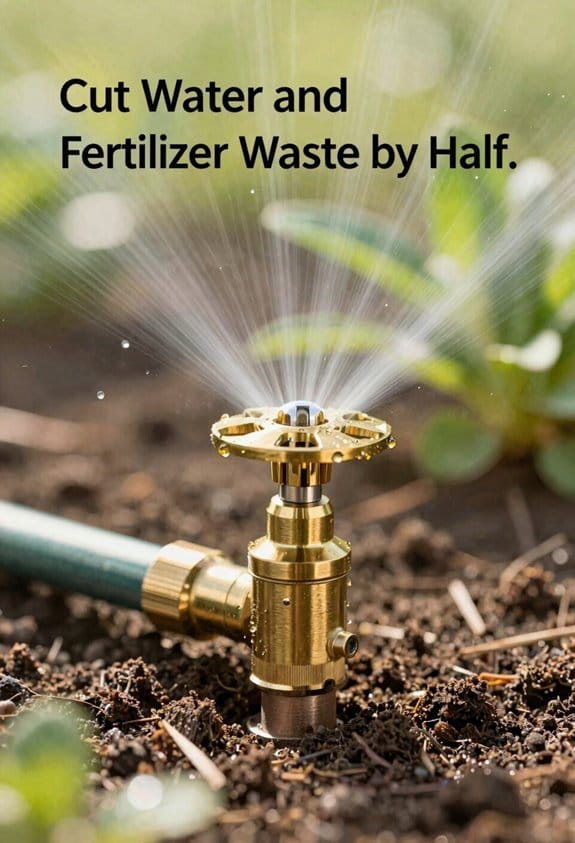
Once you’ve selected the right sensor system for your garden’s size and complexity, you can put that investment to work by dramatically reducing water and fertilizer waste. Your sensors monitor soil moisture and nutrient levels continuously, enabling precision dosing—applying exactly what your plants need, when they need it. Evapotranspiration monitoring tracks how much water your soil loses through evaporation and plant use, allowing you to adjust irrigation accordingly. Rather than guessing or following generic schedules, you’re responding to real data. Studies show that smart sensor systems cut water consumption by up to 50 percent while maintaining or improving crop quality. Similarly, targeted fertilizer application prevents over-application, reducing both costs and environmental impact while keeping your plants perfectly nourished.
Catch Crop Problems Before They Spread
Your garden’s health can deteriorate quickly when diseases, nutrient deficiencies, or pest infestations take hold, but smart sensors help you spot these issues early by continuously monitoring the conditions that lead to crop problems. These sensors track soil moisture, temperature, and humidity levels across your garden, identifying abnormalities before they escalate. Early detection allows you to intervene quickly—adjusting watering schedules to prevent fungal diseases or increasing nutrients when soil readings drop. Localized alerts notify you immediately when conditions deviate from ideal ranges in specific garden areas. By catching problems at their source, you prevent widespread damage that would otherwise require extensive intervention. This proactive approach keeps your crops healthier and reduces the need for reactive treatments.
Smart Sensors Lock In Ideal Growing Conditions
Beyond catching problems early, smart sensors do something equally important: they maintain the exact conditions your plants need to thrive. Real-time monitoring of temperature, humidity, and soil moisture creates microclimate stabilization—keeping your growing environment perfectly balanced without constant manual adjustment. Sensors track conditions across different locations in your garden, identifying variations that affect plant growth. When conditions drift from optimal ranges, automated systems respond instantly. For instance, automated shading activates during excessive heat, preventing sunscald while maintaining ideal temperatures. This continuous adjustment guarantees consistent growth and maximizes yields. Rather than guessing when to water or shade plants, you’re giving them precisely what they need, exactly when they need it, resulting in healthier crops with minimal effort on your part.
Watch Your Sensor Data Across Growing Seasons
As your sensors collect information throughout the year, the data they gather becomes increasingly valuable for understanding your garden’s patterns and performance. Seasonal dashboards let you visualize how your plants respond to changing conditions month after month. By using comparative plots, you can see side-by-side how temperature, moisture, and nutrient levels shifted from spring through winter. This long-term perspective reveals which strategies worked best in your specific location. You’ll notice patterns—perhaps certain months require extra watering, or specific seasons bring pest challenges. Tracking these trends helps you predict problems before they occur and plan improvements for next year. Over time, your exported data builds a personal knowledge base that transforms guesswork into informed decisions tailored to your garden’s unique needs.
See Your ROI: What Smart Sensors Save You
Now that you’ve learned how to track patterns across seasons, it’s worth examining the financial benefits that come from applying this knowledge. Smart sensors generate significant cost savings by reducing water waste, minimizing fertilizer overuse, and preventing crop loss from preventable diseases. When you monitor soil moisture precisely, you’ll irrigate only when necessary, cutting water consumption substantially. Similarly, targeted nutrient delivery prevents expensive, unnecessary fertilizer applications. The investment timeline for smart sensors typically ranges from one to three years before you see measurable returns. Early problem detection saves money by addressing issues before they become costly disasters. Many gardeners and farmers report recouping their initial sensor purchase within the first growing season through reduced resource expenses and improved yields.
For a useful next step, understand smart watering systems and use soil-moisture readings. These guides cover the related maintenance or buying decision without changing the task explained here.
Frequently Asked Questions
How Accurate Are Impedimetric Sensors at Measuring Leaf Water Content in Real-Time?
I’ve found impedimetric sensors deliver impressive accuracy for measuring leaf hydration in real-time. They’re sensitive to 7945 Ω/%RH with a 20.3-second response time, though proper sensor calibration guarantees you’re getting reliable readings consistently.
What Is the Typical Wifi Range for Transmitting Sensor Data to My Database?
I’ve seen Wi-Fi signals vanish into thin air! Your sensor’s Wi-Fi footprint typically extends 100-150 feet indoors, though signal attenuation from walls and interference reduces range. Consider positioning your database receiver centrally for peak coverage.
Can Smart Garden Sensors Help Prevent Specific Diseases Like Powdery Mildew or Root Rot?
Yes, I can prevent these diseases through early detection and microclimate monitoring. I’ll track soil moisture to stop root rot and monitor humidity levels to prevent powdery mildew, catching problems before they escalate.
How Long Do Sensor Batteries Typically Last Before Requiring Replacement or Recharging?
most garden sensors last between 6-12 months on standard batteries, though some WiFi-enabled models require more frequent recharging. Smart power management features help extend battery lifespan considerably.
Are Smart Garden Sensors Suitable for Both Indoor Hydroponics and Outdoor Soil Gardens?
Think of sensors as versatile gardeners—they adapt to any soil. I’ve found they’re equally suited for indoor hydroponics and outdoor gardening, monitoring nutrients and moisture wherever you’re cultivating growth with precision.