

Battery-powered tools now deliver comparable power to gas models for roughly 80% of homeowner tasks, operating at quieter levels (60–70 decibels versus 90–100) while requiring minimal maintenance. However, you’ll face higher upfront costs, though long-term savings through reduced engine upkeep often offset this within three to five years. Gas tools remain superior for heavy-duty jobs on overgrown landscapes. Your choice depends on lawn size, budget, and whether you prefer eliminating fuel mixing and seasonal tuning. The full comparison reveals vital details about runtime strategies, environmental impact, and repurposing options.
Key Takeaways
- Battery tools operate 30–40 decibels quieter than gas, enabling early morning yard work without disturbing neighbors.
- Gas tools excel for heavy-duty jobs on overgrown landscapes, while batteries handle roughly 80% of typical homeowner needs.
- Battery tools weigh significantly less, reducing physical strain and fatigue during extended use and operation.
- Battery tools require minimal maintenance; gas engines demand oil changes, spark plug replacement, and seasonal tuning.
- Battery tools cost more upfront but deliver long-term savings through reduced maintenance, potentially paying back within three to five years.
Should You Switch to Battery? The Gas vs. Electric Decision Framework
When you’re considering whether to ditch your gas-powered tools for battery-operated alternatives, you’ll want to evaluate several key factors that directly affect your lawn care routine, wallet, and neighborhood. First, assess your seasonal considerations—battery tools work well for spring and summer maintenance but may struggle in cold weather when performance drops. Next, consider resale planning; battery ecosystems hold value better as technology standardizes across brands. Evaluate your lawn size and complexity, noise concerns with neighbors, and maintenance tolerance. Battery tools require less upkeep but higher upfront investment, while gas tools demand regular maintenance but cost less initially. Your decision ultimately depends on balancing power needs, environmental priorities, and long-term financial commitment.
Recommended Products

Fully Autonomous Robot Leaf Blower: Yarbo cordless leaf blower is the only robot with AI-powered 21N airflow + RTK navigation for true hands-free operation - no manual blowing or cord limits.

Peak Power technology combines the power of two EGO 56V ARC Lithium batteries to deliver up to 13.2 foot-pounds of cutting torque for performance that exceeds 200cc gas-powered mowers without the noise, mess, or fumes

Peak Power technology combines the power of two EGO 56V ARC Lithium batteries (available separately) to deliver up to 13.2 foot-pounds of cutting torque for performance that exceeds 200cc gas-powered mowers without the noise, mess, or fumes
Power Output: Why Battery Now Matches Gas for Most Lawns
Battery-powered tools have closed the performance gap with gas-powered equipment in ways that would’ve seemed impossible a decade ago, making them a genuine option for most homeowners tackling typical lawn work. Modern battery chemistry has improved markedly, allowing cordless mowers to deliver peak torque comparable to gas engines for residential tasks. While gas tools still excel at heavy-duty jobs on overgrown landscapes, today’s battery-powered models maintain consistent power without stalling on tall grass in most situations. The electric motors provide reliable cutting performance across average lawns. Battery advancements now match gas capabilities for roughly 80 percent of typical homeowner needs, eliminating the old assumption that cordless meant compromised power. For standard lawn maintenance, you’re no longer sacrificing performance by switching to battery technology.
Recommended Products

Part of the 18 V ONE+ battery system from RYOBI; a battery for over 200+ power tools and garden tools
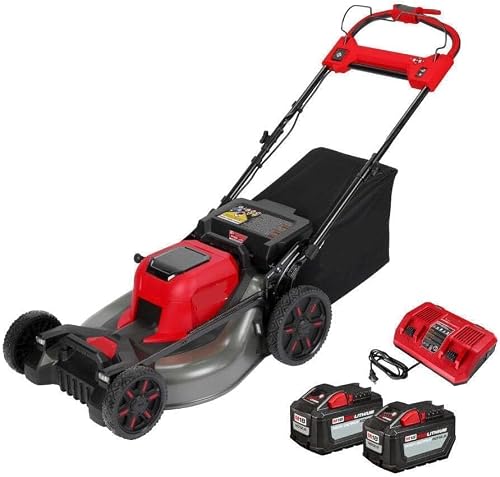

Select Cut multi-blade system delivers customizable cutting performance
Runtime and Charging: Planning Your Battery Strategy
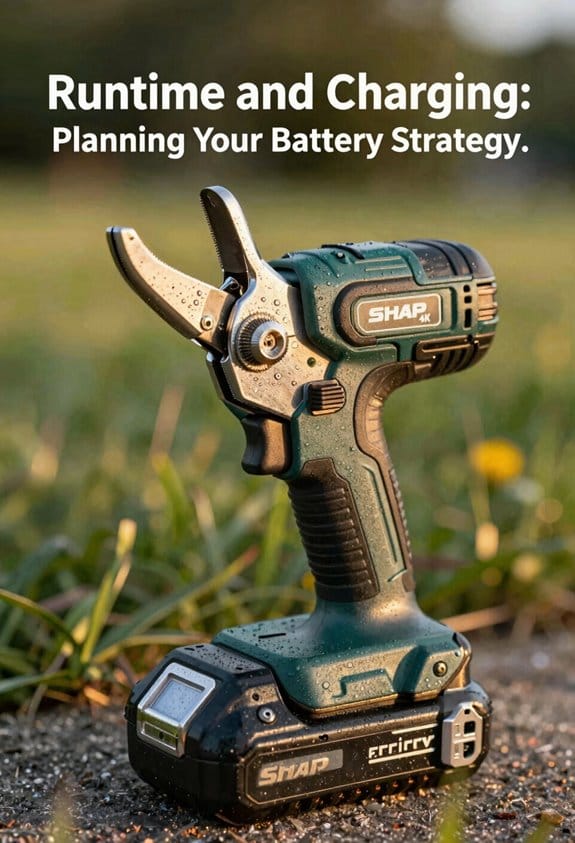
Now that you’ve confirmed battery tools deliver the power you need, runtime becomes your next consideration, and it’s where your strategy really matters. A single battery charge typically finishes an average lawn, matching gas tool performance for most residential jobs. However, battery runtime is shorter overall, so I’d recommend investing in extra batteries and charging stations positioned throughout your workspace. This enables quick swaps between tools without waiting downtime. You’ll also want to weigh seasonal storage, as batteries perform better when kept in cool, dry conditions during winter months. By planning ahead with multiple batteries and proper charging infrastructure, you’ll eliminate frustration and maintain consistent yard work momentum throughout the season.
Recommended Products

Peak Power plus Technology combines the power of up to six EGO 56V ARC Lithium batteries
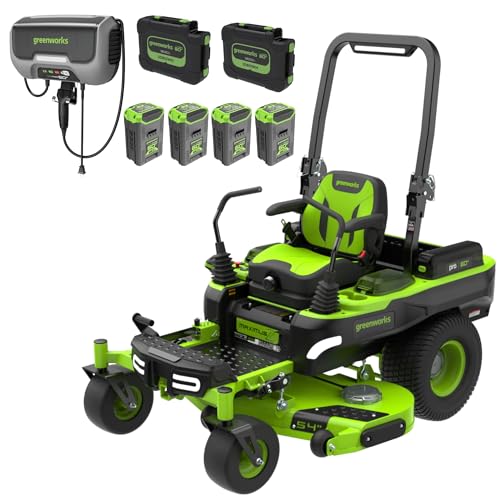
COMMERCIAL-GRADE POWER, ZERO EMISSIONS: Dominate large lawns with the equivalent of a 31HP gas engine. Powered by an intelligent brushless motor system with fewer moving parts than gas, it delivers instant torque, zero fumes, and quiet operation—no more tune-ups or messy fluids

Bundle includes the Zero Turn Mower, (4) 10.0Ah ARC Lithium batteries, and (2) additional 5.0Ah ARC Lithium batteries
Noise Levels: Why Neighbors Prefer Electric
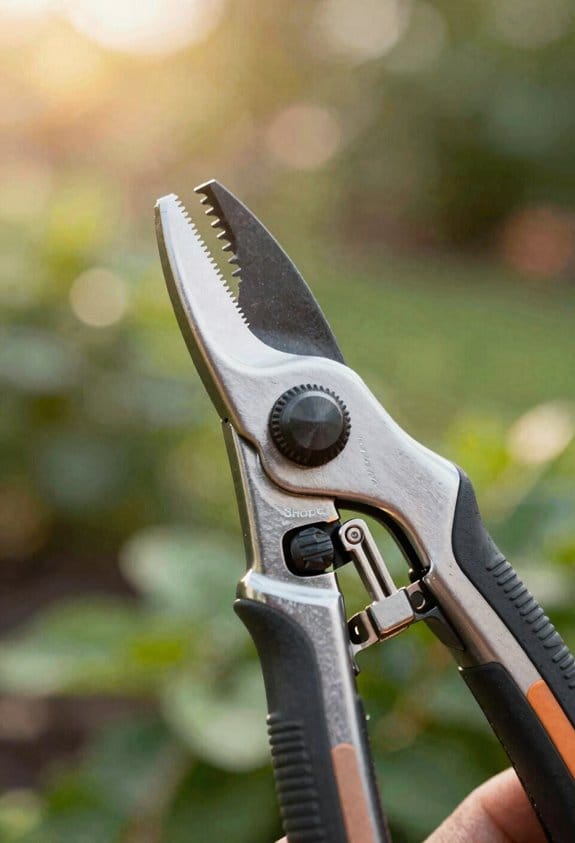
One of the most significant advantages electric tools offer is their remarkably low noise output, operating at just 60–70 decibels compared to gas tools’ 90–100 decibels. This difference matters considerably for your daily routine and neighborhood relations.
Battery-powered mowers and trimmers let you tackle yard work during quiet mornings without disturbing neighbors or violating local noise ordinances. Gas equipment produces disruptive sound levels that often restrict usage to specific daytime hours, limiting your scheduling flexibility.
The noise reduction stems from electric motors’ simpler design, which eliminates the combustion engine’s loud operation. This quieter performance maintains sound etiquette within residential areas while delivering effective cutting power. For many homeowners, the peaceful operation justifies choosing cordless tools over their louder gas counterparts, creating a more pleasant mowing experience overall.
Maintenance: Gas Engines vs. Battery Tools-Which Is Easier?
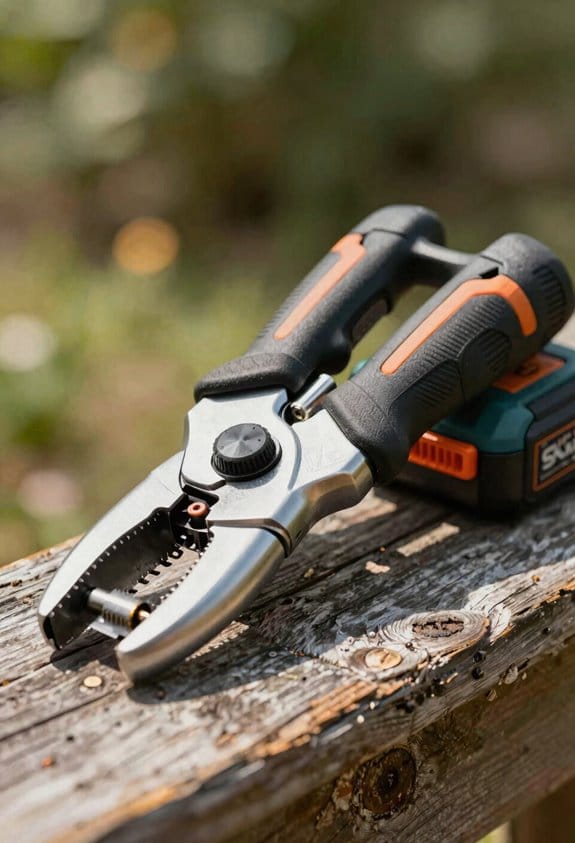
Maintaining your yard equipment regularly determines how long it’ll last and how well it performs, yet gas-powered tools demand considerably more attention than their battery-powered counterparts. Gas engines require frequent oil changes, air filter replacements, and spark replacement to function properly. Engine tuning becomes necessary seasonally, adding complexity and expense to ownership. Battery tools, conversely, eliminate these mechanical hassles entirely. You’ll simply focus on charging etiquette, ensuring batteries charge fully between uses and store properly during off-seasons. While battery recycling eventually becomes necessary, the process happens infrequently compared to gas maintenance cycles. Battery systems require no fuel mixing, spark plug inspections, or carburetor adjustments, making them markedly simpler for homeowners seeking convenience and reliability.
Recommended Products
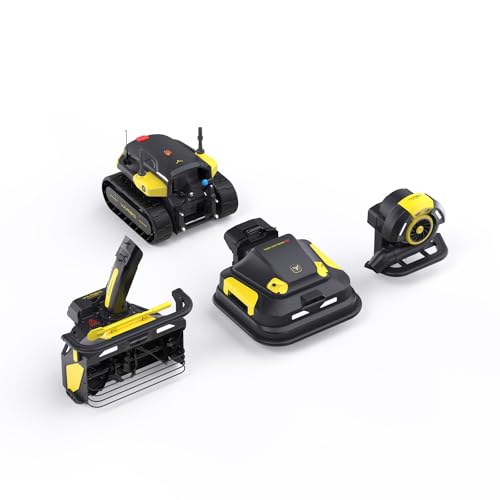
Modular Design & All-Season Utility: Transforms into year-round yard solution with optional blower/snow blower modules (sold separately). Replaces multiple seasonal tools, saves storage—ideal for homeowners, golf courses & landscaping businesses.
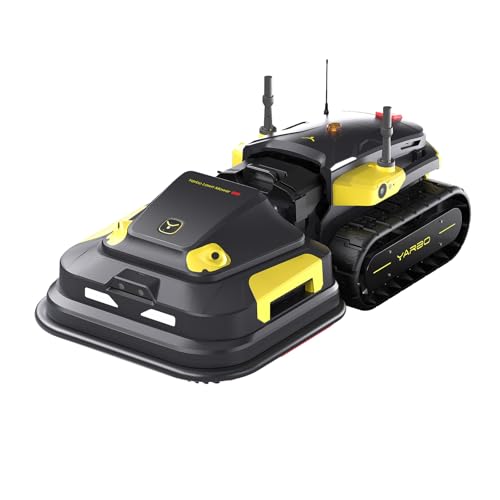
Ideal for Premium Property Owners: The Yarbo Lawn Mower Pro features modular design, strong cutting system and fully autonomous navigation for low-effort, reliable lawn care. It cuts thick, wet, overgrown grass with ease, suitable for homes, golf courses, turf farms, luxury hotels and resorts.
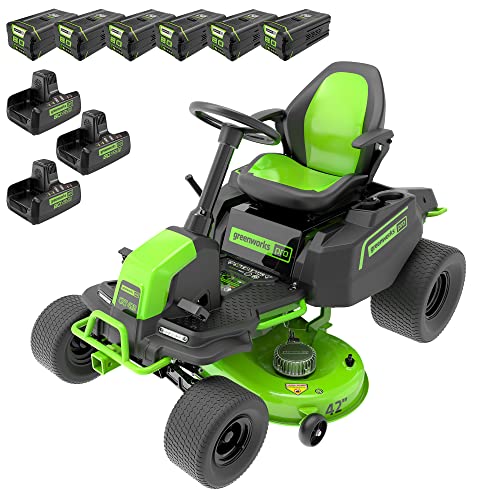
80V Motor – 2 x more torque, more power, longer runtimes, quiet operation, and extended motor life
Weight and Fatigue: How Battery Reduces Physical Strain
Picture yourself pushing a heavy gas mower across your yard for an hour, and you’ll quickly understand why weight matters when choosing garden tools. Battery-powered models weigh markedly less than their gas counterparts, reducing shoulder strain and grip fatigue during extended use. Because electric tools are lighter, you’ll experience less physical exhaustion, making yard work more manageable. The average battery tool scores 4.2 in handling ease compared to gas tools at 3.8. Self-propelled battery models demand even less pushing effort, which further minimizes fatigue. When you’re working for hours on uneven terrain, that weight difference becomes increasingly noticeable. Your arms and shoulders will thank you for choosing the lighter option, allowing you to complete your yard work more comfortably and efficiently.
Is Battery Worth the Upfront Cost? A Real Financial Breakdown
While battery tools certainly reduce the physical strain you’ll experience during yard work, the lighter weight and easier handling come with a higher price tag that demands careful consideration. Battery systems cost markedly more upfront than gas alternatives, though battery subsidies sometimes offset initial expenses. However, you’ll save money long-term through reduced maintenance costs—no oil changes, spark plugs, or seasonal tune-ups required. Battery tools also maintain stronger resale value since they appeal to environmentally conscious buyers. When calculating true costs, factor in replacement batteries, which you’ll eventually need. Gas tools offer cheaper parts but demand ongoing maintenance expenses. For most homeowners, the upfront investment in battery tools pays itself back within three to five years through lower maintenance and improved durability.
Recommended Products

Robust and Portable: The generator features a sturdy steel frame with an integrated lifting eye, making it easy to transport and secure on the jobsite. It's a reliable power source for both remote locations and professional use

POWER OF GAS - This EGO riding mower is engineered to deliver the equivalent of 21 horsepower and mows at up to 6 MPH

Three-Season Yard Maintenance — One Machine for Spring, Summer & Fall: Built for multi-season yard care! In spring, add the Tow Hitch to haul logs or gardening supplies. In summer, the 21" blade tackles slopes up to 85% (40°). In fall, turn thick layers of leaves into fine mulch with the Mulching Blade. Pair it with MOWRATOR Mowfun FPV to monitor mowing from indoors.
What Battery Actually Costs the Environment Over Time
When you choose a battery-powered garden tool, you’re making a decision that affects the environment in ways that extend far beyond your backyard, though the full picture requires understanding the complete lifecycle of these products. While battery tools produce zero on-site emissions during use, their environmental impact depends on manufacturing and disposal. Extracting raw materials like lithium and cobalt requires significant energy and can damage ecosystems. However, battery recycling programs help recover these materials for reuse, reducing future mining needs. Over a battery tool’s lifespan, the environmental benefit outweighs gas alternatives, which emit 30 million tons of CO2 yearly. Battery tools ultimately deliver a smaller carbon footprint when you consider their entire lifecycle.
How to Ditch Gas Without Wasting Your Old Equipment
Shifting from gas to battery-powered garden tools doesn’t mean you’ll waste your existing equipment, and I’d like to show you why. You have several practical options for your old gas tools. First, consider donating tools to community gardens, schools, or nonprofits that still need them. Many organizations welcome functional equipment donations. Second, you can repurpose engines from gas-powered mowers or trimmers for other projects, like powering generators or small equipment. Third, sell used tools online or locally to gardeners who prefer gas power. Finally, check with local recycling centers about proper disposal if tools are damaged beyond repair. These approaches guarantee your equipment finds new purpose rather than ending up in landfills unnecessarily.
Frequently Asked Questions
Can I Use the Same Battery Across Different Cordless Tool Brands?
I’ll be frank—most battery brands don’t play well together. They’re like puzzle pieces from different boxes. You’ll need cross-brand adapters or buy brand-specific batteries. Battery compatibility varies widely, so check your tool manufacturer first.
How Long Do Rechargeable Batteries Typically Last Before Replacement?
I’d say you’re looking at 3-5 years before noticeable battery lifespan decline. Capacity fade happens gradually, so you’ll notice reduced runtime before complete failure. Most users replace batteries when they can’t finish average jobs on one charge.
What’s the Best Way to Store Batteries During Off-Season Months?
I’ll keep your batteries fresher than a daisy by storing them in cool, dry spaces at partial charge—around 40-60%. This sweet spot prevents deep discharge drain while minimizing stress, ensuring they’re ready when spring arrives.
Are Battery-Powered Tools Suitable for Professional Landscaping Businesses?
I’d say yes for most jobs. You’ll find battery tools offer solid professional durability and improving fleet economics with lower maintenance costs, though demanding projects might still require gas’s raw power for peak efficiency.
Do Battery Tools Perform Adequately in Cold Weather Conditions?
I’ll level with you—battery performance does take a “seasonal adjustment” in cold weather. Temperature effects markedly reduce charge capacity and runtime, so you’ll find they’re less ideal for winter landscaping compared to their summer performance.