

I’ll explain how smart watering systems work in your garden. They use soil moisture sensors, weather stations, and rain detectors to monitor your yard’s actual conditions in real time. Instead of following a fixed schedule, these systems make intelligent decisions about when and how much to water based on current data. They skip watering cycles when soil’s already moist and pause irrigation when rain’s forecasted. This adaptive approach cuts water waste markedly, reducing consumption by up to 50 percent compared to traditional methods. Deeper exploration reveals even more ways they optimize your landscape’s health and your utility bills.
Key Takeaways
- Smart watering systems use soil sensors, weather stations, and rain detectors to monitor conditions and automatically adjust irrigation schedules in real-time.
- These systems eliminate fixed watering schedules by making intelligent decisions based on actual soil moisture levels, rainfall, temperature, and humidity data.
- Zone-specific controls allow different yard areas to receive customized watering amounts based on varying sunlight, shade, and microclimate conditions throughout your property.
- Retrofit kits enable adding smart controllers to existing irrigation systems without replacing underground pipes or sprinkler heads, making upgrades affordable.
- Smart systems reduce water consumption by 20 to 50 percent compared to traditional methods, helping homeowners recoup installation costs through lower utility bills.
Do Smart Watering Systems Really Save Water and Money?
When you’re deciding whether to invest in a smart watering system, you’ll want to know if the technology actually delivers on its promises to conserve water and reduce your bills. The data supports it: these systems reduce water consumption by 20 to 40 percent on existing installations, with some achieving up to 50 percent savings compared to traditional methods. Your water bills will drop markedly because the system waters only when necessary. Many homeowners recoup their investment within a few years through lower utility costs. Additionally, drought incentives offered by municipalities can offset installation expenses. Understanding consumer behavior shows that people increasingly value water conservation, making smart systems a practical choice that aligns environmental responsibility with financial benefits.
Recommended Products

The Roam XL is as powerful as they come and features a simple user interface with 128 different programmable addresses
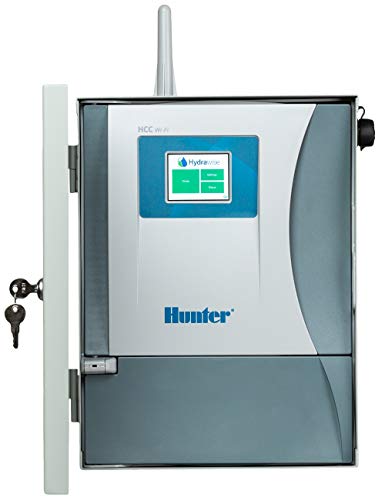
Wi-Fi enabled for quick connection to Hydrawise software.
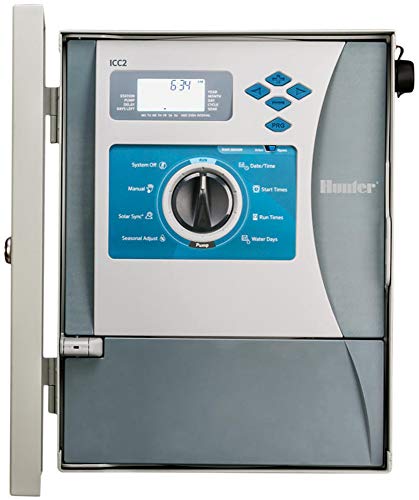
Hunter I2CF-800M I2C-800M Residential or Commercial Timer. Now with Built-in flow monitoring for smart water savings With optional Flow Sync sensor. Requires HFS Flow-Sync Sensor or WFS Wireless Flow Sensor Kit and FCT fitting for pipe installation.
Can You Add Smart Controls to Your Existing System?
One of the most appealing aspects of smart watering systems is that you don’t necessarily need to replace your entire irrigation setup to enjoy their benefits. You can install retrofit kits that swap your existing controller with a smart one, keeping your underground pipes and sprinkler heads intact. Before purchasing, you’ll want to verify valve compatibility between your current system and the new smart controller. Add-on sensors work with existing controllers too, reducing costs further. Whether you have drip irrigation or sprinkler systems, smart controls integrate seamlessly. This flexibility means upgrading to smart technology becomes an affordable option for most homeowners, allowing you to modernize your irrigation without expensive overhauls.
Recommended Products

UPGRADE: Provides the functionality of both a showerhead and handshower without a costly remodel

24-STATION WIFI SMART SPRINKLER CONTROLLER: Take full control of up to 24 irrigation zones with this WiFi-enabled smart sprinkler controller. Perfect for large homes, estates, and commercial properties, manage your watering system remotely with the Hydrawise app or web portal from anywhere in the world.
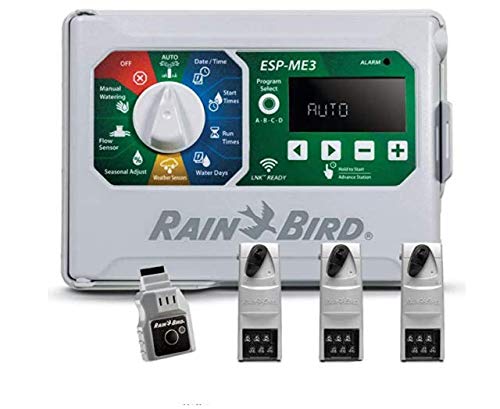
With 4 to 22 stations, the ESP-ME3 provides the station count options customers need. Install the same controller on residential and light commercial sites. Add station modules when expanding irrigation without removing or even powering down the controller.
What Your Smart Controller Actually Watches
Because smart watering systems rely on data to make decisions, I should explain what information they actually collect and monitor. Your smart controller watches several key factors to determine when your lawn needs water. Soil sensors measure moisture levels directly in your yard, providing real-time readings about how much water’s already in the ground. Weather stations track rainfall, humidity, and temperature changes in your area. Rain sensors detect precipitation and pause watering when it’s raining. Additionally, many systems use microclimates mapping to understand how different parts of your yard receive varying amounts of sunlight and shade. By combining all this information, your controller makes intelligent decisions about when and how much to water, ensuring your garden gets exactly what it needs.
Recommended Products

New design: its flat top allows the smart probe to be used in the same area where lawnmowers and robotic mowers are used
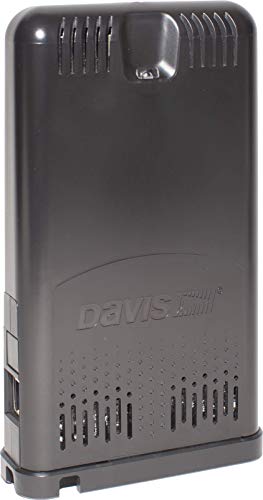
STREAM LIVE DATA: Experience the fastest reporting weather data on the market with the free WeatherLink mobile app.
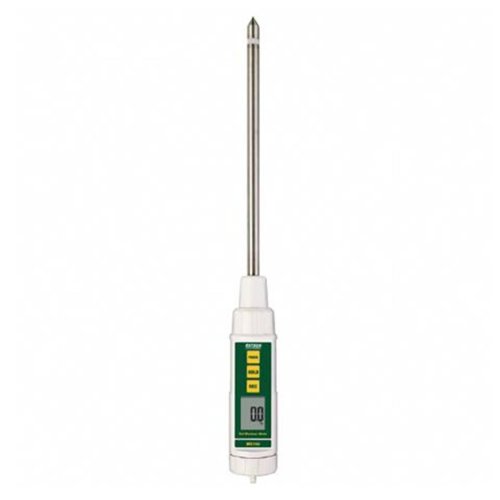
Reliable Soil Moisture Measurement - Take the guesswork out of plant care. The Extech MO750 provides precise soil moisture readings with its durable 8" stainless steel probe, helping you monitor conditions deep beneath the surface.
How Your System Waters Smarter, Not Harder
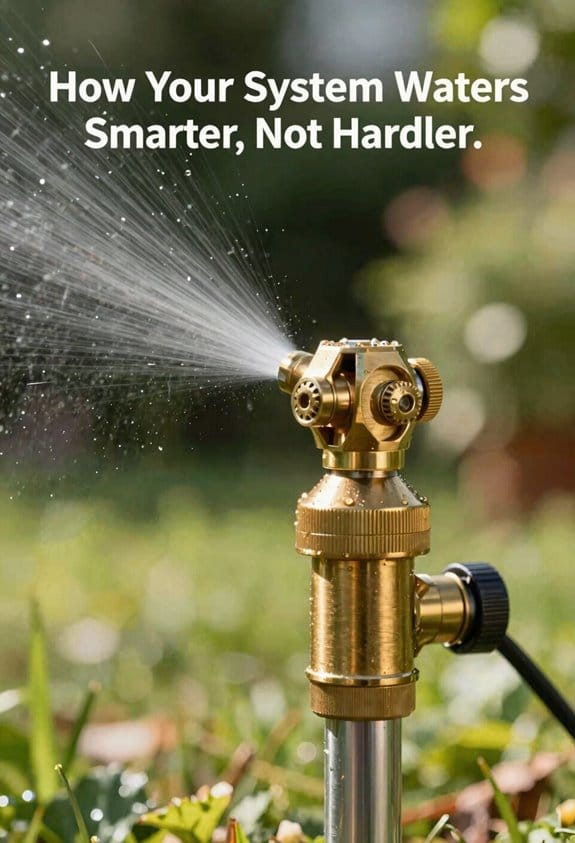
Now that you understand what your smart controller monitors, let’s explore how it actually uses that information to water your garden more effectively. Your system doesn’t water on a fixed schedule; instead, it makes real-time decisions based on soil sensing data and weather conditions. When soil moisture sensors detect that your garden has enough water, the system skips watering cycles entirely. Because gardens contain different micro climates—some areas receive more sun than others—smart systems adjust watering amounts for each zone. If rain’s forecasted, your controller delays irrigation automatically. This adaptive approach means your plants receive exactly what they need, when they need it, eliminating waste and preventing overwatering that damages roots.
Recommended Products

Intelligent irrigation control: 6 valves can be individually programmed and irrigated based on needs

Comes with 8 Stations only but can expand up to 38 with OPTIONAL ICM modules (not included). Second picture for reference only showing fully loaded with optional modules for 38 zones.

Climate logic compatible
Water and Money Savings From Smart Irrigation Systems
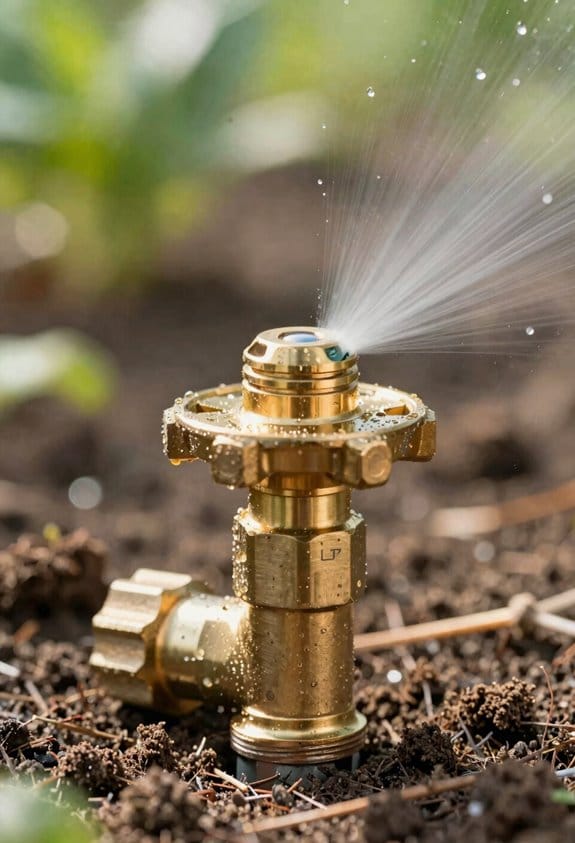
Smart watering systems deliver significant financial benefits to homeowners, with water usage reductions ranging from 20 to 40 percent on existing systems, and up to 50 percent compared to traditional irrigation methods. These savings translate directly to lower water bills, often allowing systems to pay for themselves within a few years.
By implementing seasonal timing strategies, you’ll water only when plants actually need it, preventing wasteful overwatering that damages landscapes. Pairing smart controllers with drought tolerant plants creates an even more efficient system, minimizing water demands throughout the year.
Remote monitoring through smartphone apps eliminates constant manual adjustments, saving you time and effort. The combination of reduced water consumption and decreased maintenance needs makes smart irrigation an economically sound investment for most homeowners.
Recommended Products

GARDENA Robotic Lawnmowers are extremely robust and designed for working outdoors; This garage provides additional protection against direct sunlight and rain The cable shaft...
Frequently Asked Questions
How Do Soil Moisture Sensors Work, and Where Should They Be Installed?
I’ll install soil moisture sensors by inserting probes into your yard at the root depth of your plants. I’ll calibrate them to measure moisture levels, then position them in representative garden areas so they’ll accurately trigger your sprinklers when needed.
Can Smart Watering Systems Integrate With My Existing Smart Home Automation?
Yes, I can integrate smart watering systems with your existing smart home automation. You’ll control irrigation through voice assistants and create automation routines that coordinate watering with other home systems seamlessly.
What Happens to My Irrigation During Power Outages or Internet Disruptions?
During outages, I’ve found most smart systems include battery backup to maintain basic watering schedules. You’ll likely have manual override options, letting me control irrigation directly without internet connectivity or power.
How Often Do I Need to Maintain or Replace Smart Irrigation Sensors?
You’ll typically maintain sensors annually, checking for sensor corrosion and replacing batteries as needed. Most sensors have a battery lifespan of 2-3 years, though this varies by model and usage conditions.
Are Smart Sprinkler Heads Compatible With Both Drip and Traditional Systems?
Yes, I can integrate smart sprinkler heads into both systems. You’ll want to verify nozzle compatibility with your existing setup before purchasing. Drip retrofitting requires ensuring your controller supports the specific head types you’re selecting.