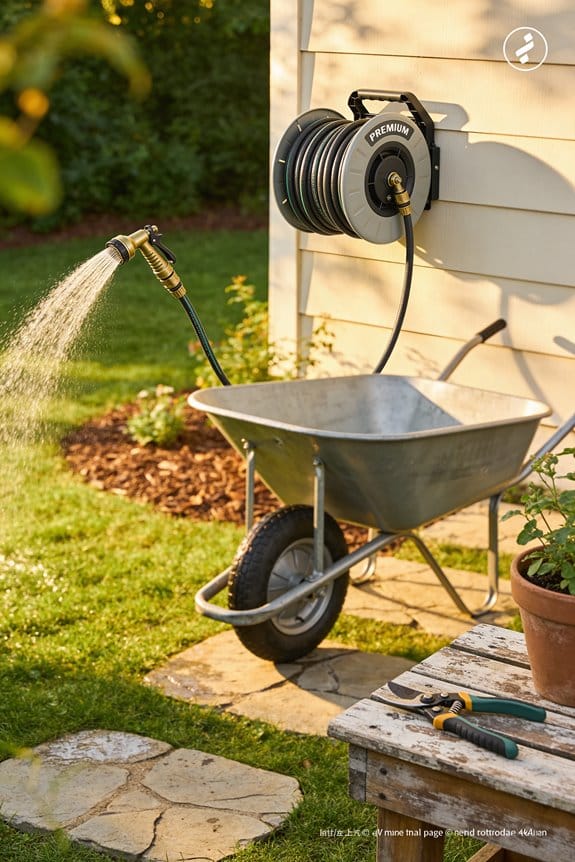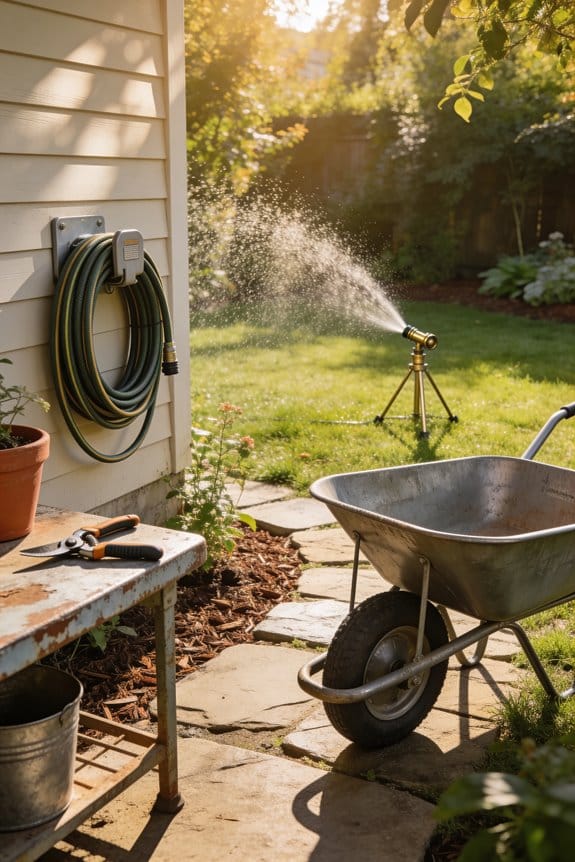


Eco-friendly garden tools made from recycled materials are trending because they tackle a real problem: traditional tools generate over 35 million tons of plastic waste annually in the U.S. What makes this shift practical is that recycled steel tools deliver the same durability as conventional options while requiring 95% less energy to produce. As DIY gardening grows through social media and community workshops, environmentally conscious gardeners increasingly demand sustainable alternatives that don’t sacrifice performance. You’ll discover how leading brands are transforming the industry while saving you money.
Key Takeaways
- Environmental necessity drives demand as traditional plastic tools contribute over 35 million tons of annual U.S. waste.
- Recycled steel production uses 95% less energy than virgin aluminum manufacturing, significantly reducing greenhouse gas emissions.
- Performance testing confirms recycled steel tools match traditional alternatives in durability and strength without compromising effectiveness.
- Social media and DIY culture connect environmentally conscious gardeners, increasing demand for sustainable recycled material options.
- Leading manufacturers like Lasher Tools and Fiskars offer recycled tools with cost savings and comparable longevity.
The Environmental Cost of Traditional Garden Tools (and Why It Matters)
When you pick up a traditional garden tool at your local store, you’re holding the end result of a complex manufacturing process that carries a significant environmental price tag. Manufacturing plastic components for garden tools contributes over 35 million tons of plastic waste annually in the U.S. alone. The production emissions from extracting raw materials and creating new tools generate substantial greenhouse gases. Additionally, material disposal poses challenges; most traditional tools end up in landfills where they persist for decades. These conventional tools rarely consider their lifecycle impact. By understanding these environmental costs, you’ll recognize why eco-friendly alternatives using recycled materials matter so much today.
Why Recycled Steel Outperforms Virgin Aluminum?

You may be interested


Now that we’ve explored how traditional garden tools harm our environment, it’s worth examining which materials actually offer better alternatives. Recycled steel stands out as a superior choice compared to virgin aluminum for several compelling reasons. First, recycled steel demonstrates higher durability, lasting longer through seasons of use without significant degradation. Second, producing recycled steel requires 95% less energy than manufacturing new aluminum from raw materials, making it dramatically more environmentally efficient. This lower energy use translates to reduced greenhouse gas emissions during production. Additionally, recycled steel maintains excellent performance characteristics while supporting closed-loop manufacturing systems. When you choose tools made from recycled steel, you’re selecting a material that balances strength, sustainability, and resource efficiency, making it an intelligent investment for environmentally conscious gardeners.
Do Eco-Friendly Tools Deliver the Same Performance?
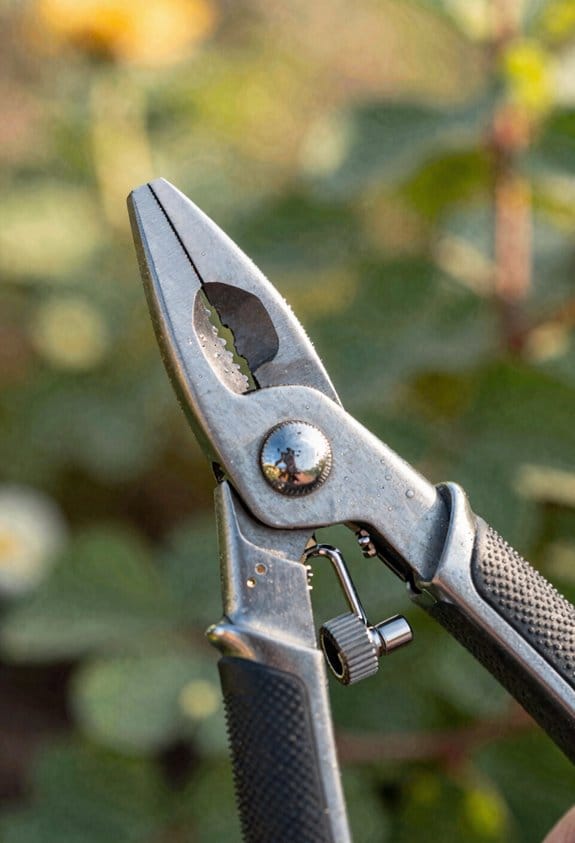
A common concern many gardeners have is whether choosing eco-friendly tools means sacrificing quality and reliability. performance parity between recycled and virgin materials is entirely achievable. Durability testing shows recycled steel tools match traditional alternatives in strength and longevity. Manufacturers like Lasher Tools have demonstrated that recycled materials don’t compromise effectiveness when properly engineered. The metal segment holds 55.5% market share specifically because of durability concerns, and recycled options satisfy these demands equally. Electric tools using advanced lithium-ion batteries offer 40% longer runtime than older models, enhancing performance overall. You’re not choosing between environmental responsibility and functionality; modern eco-friendly tools deliver both simultaneously through innovative manufacturing processes.
DIY Culture and Eco-Awareness Are Reshaping Tool Sales

Beyond the question of whether eco-friendly tools perform as well as traditional options lies a bigger shift in how people approach gardening altogether. I’ve noticed that DIY gardening culture, fueled by social platforms like Instagram and community workshops, has fundamentally changed consumer behavior. People aren’t just buying tools anymore; they’re joining movements toward sustainability. Social platforms connect gardeners who share eco-conscious values, creating demand for recycled materials and sustainable products. Community workshops teach gardening techniques while promoting environmental responsibility. This intersection of hobby enthusiasm and environmental awareness has reshaped the market markedly. Manufacturers respond by incorporating recycled steel and sustainable plastics into their designs. The result? Eco-friendly tools aren’t niche products anymore—they’re becoming mainstream choices for environmentally conscious gardeners everywhere.
How the Recycled Garden Tools Market Is Growing

The recycled garden tools market is experiencing remarkable growth, driven by both environmental necessity and consumer demand for sustainable products. I’ve observed that manufacturers like Lasher Tools and Einhell Germany AG are leading this transformation by incorporating recycled steel and recyclable materials into their designs. This recycled demand reflects a significant shift in how consumers approach gardening. Urban adoption of these eco-friendly tools has accelerated, particularly among environmentally conscious city dwellers who prioritize reducing their carbon footprint. The trend is supported by strong market fundamentals: the global garden tools market continues expanding, while electric gardening tools grow at 8.5% annually. What’s compelling is that recycled aluminum requires 95% less energy than virgin aluminum, making these products genuinely sustainable choices for thoughtful gardeners.
Which Eco-Friendly Brands Are Leading Innovation?
Several manufacturers have stepped up to lead the eco-friendly garden tools movement, setting new standards for sustainable innovation. Lasher Tools has pioneered the use of recycled steel in their product lines, demonstrating that durability doesn’t require virgin materials. Einhell Germany AG combines recyclable materials with energy-efficient manufacturing processes, reducing their environmental impact markedly. Fiskars has focused on ergonomic design alongside sustainability, making tools accessible for gardeners of all ages. These brands leverage patented sustainability techniques to differentiate themselves in the market. Additionally, many manufacturers establish community partnerships with local environmental organizations, promoting recycling education and responsible tool disposal. Through these collaborative efforts and technological advancements, leading companies are transforming the garden tools industry into a model of environmental responsibility.
Switching to Recycled Garden Tools: Real Benefits for Your Garden
While manufacturers like Lasher Tools and Einhell Germany AG have demonstrated their commitment to sustainable practices, you might wonder what actual advantages recycled garden tools offer for your own gardening space. Recycled tools deliver genuine benefits beyond environmental impact. First, they provide significant cost savings, since recycled materials require less processing than virgin resources, reducing production expenses passed to consumers. Second, recycled steel tools maintain durability comparable to new equipment, ensuring long-term garden performance. Third, using these tools supports soil health indirectly; by reducing manufacturing emissions, recycled products minimize environmental pollution that eventually affects groundwater and soil composition. When you choose recycled garden tools, you’re making a practical investment in both your garden’s immediate functionality and its long-term ecological foundation.
For a useful next step, clean garden tools after use and decide when a garden tool is too worn to repair. These guides cover the related maintenance or buying decision without changing the task explained here.
Frequently Asked Questions
How Does AI Technology Improve the Sorting and Quality of Recycled Materials in Garden Tools?
AI uses machine vision and sensors to identify recycled materials accurately, while predictive maintenance prevents equipment breakdowns. This guarantees you’re getting higher-quality tools with fewer defects and consistent performance.
What Is the Cost Difference Between Recycled Material Tools and Traditional Virgin Material Tools?
You’re fighting an uphill battle comparing prices directly. I’ve found recycled tools aren’t always cheaper upfront, but their durability tradeoffs improve with production scale. Price volatility in virgin materials often makes recycled options competitive long-term.
How Do Smart Irrigation Systems Integrated Into Eco-Friendly Tools Reduce Household Water Consumption?
I’ll show you how smart irrigation cuts your water waste. These systems use sensor calibration to deliver precise watering schedules, while leak detection identifies problems early, preventing unnecessary water loss and reducing your household consumption by up to 30%.
Are Garden Tool Manufacturers Using Closed-Loop Recycling Systems for End-Of-Life Product Management?
Yes, they’re building bridges to sustainability. I’ve found manufacturers implementing closed-loop systems through takeback programs, enabling product reprocessing and material recovery—transforming end-of-life tools into resources for new manufacturing cycles.
What Certifications or Standards Verify That Garden Tools Contain Authentic Recycled Materials?
ISO 14021 claims and Recycled Content certifications verify authentic recycled materials in garden tools. These standards guarantee you’re getting genuinely sustainable products, not greenwashing.