
Raised bed gardening’s popularity surged in 2026 because it solves modern gardeners’ biggest challenges. You get superior soil control, eliminating poor native dirt that limits plant growth. Compact designs fit balconies and patios, making food production possible for urban dwellers with minimal space. Raised beds also reduce physical strain, letting people with mobility issues garden comfortably. Younger generations especially embrace them for sustainability education and community opportunities. Combined with stress-reducing mental health benefits and faster soil development, raised beds outperform traditional in-ground gardening in nearly every way, which explains why more households are adopting this approach.
Key Takeaways
- Over 35% of U.S. households now grow food at home, driven by younger generations’ interest in sustainability and urban food production.
- Raised beds require less bending, making gardening accessible for people with mobility challenges and broader demographics seeking wellness benefits.
- Mindful gardening reduces stress and cortisol levels while providing physical activity, sunlight exposure, and mental health benefits simultaneously.
- Compact raised bed designs fit small urban spaces like balconies and patios, eliminating barriers for renters and space-limited homeowners.
- Superior soil control, drainage, and pest management compared to in-ground gardens produce healthier plants with minimal native soil problems.
Raised Bed Gardening Exploded in 2026: Here’s Why
As more people discovered the benefits of growing their own food and plants, raised bed gardening became one of the fastest-growing trends in outdoor living. I’ve noticed this surge stems from several factors. Urban dwellers, limited by small spaces like balconies and patios, found raised beds perfect for their situation. Over 35% of U.S. households now grow food at home or in community plots and urban allotments. These structured gardens offer superior soil control, improved drainage, and easier pest management compared to traditional in-ground gardening. Additionally, younger generations embraced gardening enthusiastically, with Gen Z and Gen Y spending markedly more time gardening than older cohorts. The combination of space efficiency, health benefits, and environmental consciousness drove this explosive growth throughout 2026.
Why Raised Beds Beat In-Ground Gardens in Three Key Ways
While traditional in-ground gardens have served gardeners for generations, raised beds offer distinct advantages that make them superior for most modern gardeners. First, raised beds provide superior soil aeration, allowing oxygen to penetrate deeper into the growing medium, which promotes stronger root development and healthier plants. Second, you can control soil composition entirely, eliminating poor native soil and ensuring ideal growing conditions. Third, raised beds require less bending and physical strain, making gardening accessible for people with mobility challenges. Additionally, the elevated structure improves drainage, reduces pest problems, and enables better root depth management by containing soil precisely where you need it. These practical benefits explain why raised beds have become the preferred choice for contemporary home gardeners seeking efficiency and results.
Recommended Products

💎 Durable Construction: Made from 22-gauge 0.8mm thick galvanized steel with multi-layer eco-friendly powder coatings for long-lasting use.
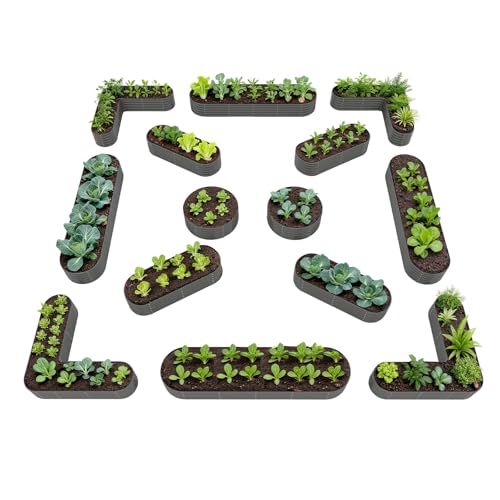
Unique Heart-Shaped, Long Oval & Round Combo Design – Perfect for decorative gardens, adds visual interest to patio or backyard spaces.
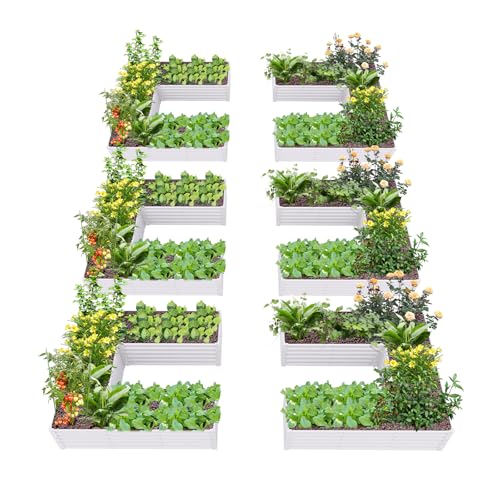
💎 Longer Lifespan: Made of 22-gauge 0.8mm thickness corrugated galvanized steel with multi-layer eco-friendly powder coatings. The large planter box is heavy duty and strong enough to hold soil for decades.
Growing Food on Tiny Balconies, Patios, and Rooftops
Within urban environments where traditional gardens aren’t possible, raised beds become your solution for growing food in surprisingly small spaces. You can transform balconies, patios, and rooftops into productive garden areas by using compact raised bed designs that fit tight dimensions. Container composting offers another practical approach, allowing you to create nutrient-rich soil directly where you’ll grow your plants. Microclimate mapping helps you identify which spots receive ideal sunlight throughout the day, ensuring your vegetables thrive. Raised beds provide excellent drainage and soil control in these elevated locations, protecting your plants from urban pollution and contaminated ground soil. This accessibility means you’re not limited by property size or traditional yard availability.
Recommended Products
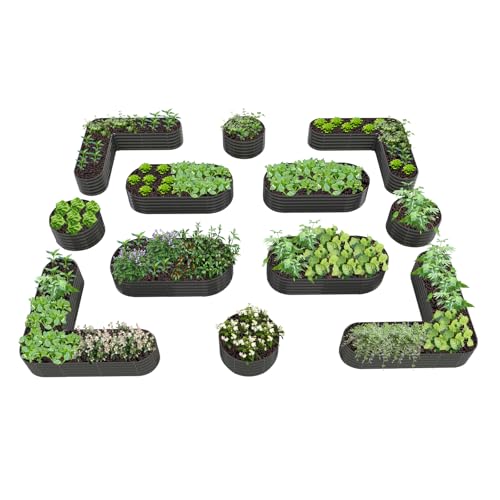
12-PIECE BACKYARD GARDEN SYSTEM – 4 oval, 4 heart, 4 round beds; all 18" deep in matching quartz grey; modular setup for fence lines, patio borders and focal points; one coordinated kit organizes your whole backyard farm garden; galvanized raised garden beds outdoor system for vegetables and flowers

Designed for Small Spaces: Built for compact yards, side yards, or patios around 170 sq ft, this layout maximizes growing potential without crowding. Includes 2* 10x2x1.5 ft and 2* 6x4x1.5 ft raised flower beds. An efficient solution for gardeners who want a productive setup in limited outdoor space

Deer Resistant Fence: Equipped with Deer Resistant fence, this raised garden bed kit provides an additional layer of protection, keeping unwanted animals at bay and safeguarding your plants.
Why Raised Bed Gardening Reduces Stress and Improves Health
Growing food in confined spaces like balconies and patios delivers physical activity and a sense of accomplishment, but the benefits of raised bed gardening extend far beyond the harvest itself. Mindful gardening—the practice of focusing fully on gardening tasks—reduces stress by engaging your mind and body simultaneously. Regular gardening lowers cortisol reduction, which is your body’s primary stress hormone, promoting calmer mental states. The physical activity involved strengthens muscles and improves cardiovascular health through digging, planting, and weeding. Additionally, exposure to sunlight during gardening boosts vitamin D production and mood-enhancing serotonin. Caring for plants creates purpose and routine, providing psychological benefits that complement physical wellness. These combined effects make raised bed gardening an accessible therapeutic practice for improving overall well-being.
What Gen Y and Gen Z Know About Raised Beds
Younger generations have picked up on raised bed gardening at rates that surprise many experts, with Gen Y and Gen Z demonstrating markedly higher engagement than their predecessors. In 2026, about 66.7% of Gen Y and 63.8% of Gen Z spent more time gardening compared to only 33.1% of Gen X. This trend continues into 2026, with 66.7% of Gen Y and 65.2% of Gen Z planning increased gardening time.
Gen Y and Gen Z value raised beds because they align with their sustainability education priorities, enabling control over growing conditions and organic practices. Additionally, younger gardeners recognize opportunities for community entrepreneurship, whether through sharing harvests or teaching neighbors about homegrown produce. Their embrace of raised bed gardening reflects broader environmental consciousness and desire for self-sufficient living.
Build Richer Soil in Weeks: Without the Back Pain
Building healthy soil without the physical strain of traditional digging is one of the most appealing advantages of raised bed gardening, and the no-till method makes this possible in a surprisingly short timeframe. Instead of breaking your back turning over compacted earth, you simply layer compost and organic matter directly on top of existing soil. This no dig approach preserves your soil’s structure while boosting beneficial microbial life underneath. Within weeks, you’ll notice improved drainage and moisture retention, meaning less time watering and weeding. The layering process reduces erosion and produces fewer weeds naturally. You’re fundamentally building nutrient-rich growing conditions from above, allowing you to garden comfortably while creating ideal conditions for healthy plants.
Recommended Products

FEEDS UP TO 6 MONTHS: Miracle-Gro Potting Mix is a gardening soil for outdoor containers that feeds all types of potted plants, including flowers, vegetables, shrubs, annuals, and perennials for up to 6 months

Ready-to-Use Potting Soil: No mixing required! Michigan Peat General All-Purpose Premium Potting Soil is ready to use straight from the bag, saving you time and effort

Versatile Potting Soil: Let your plants grow healthy and strong with this general-purpose potting soil featuring a blended formula that works for all kinds of greens you plant in it
Design Trends That Make Raised Beds Instagram-Worthy
Raised beds have evolved far beyond simple wooden boxes, transforming into design elements that enhance your outdoor space while serving a practical purpose. Modern gardeners embrace diverse materials like sleek metal frames, composite materials, and decorative plastic options that complement contemporary home aesthetics. Color palettes now range from neutral earth tones to bold statement colors, allowing you to match your garden with existing landscaping. Vertical accents, such as trellises and tiered structures, maximize space while creating visual interest. Social media platforms showcase these thoughtfully designed gardens, inspiring others to prioritize both functionality and beauty. When selecting your raised bed design, consider your home’s architectural style and surrounding landscape. This attention to aesthetics doesn’t sacrifice practicality; well-designed beds still provide superior drainage, soil control, and easier maintenance than traditional gardens.
Smart Irrigation and Sensors: Do They Actually Help?
While beautiful garden designs certainly catch our eyes on social media, the technology behind them often matters just as much as their appearance. Smart irrigation systems and water-saving sensors genuinely help raised bed gardeners by automating watering schedules based on soil moisture levels. These devices reduce water waste markedly, which saves both money and environmental resources. Automated fertigation systems deliver nutrients directly to plants while watering, improving efficiency and plant health. I’ve found that sensors eliminate guesswork about when your garden needs water, preventing both overwatering and underwatering problems. Though these technologies require initial investment, they’re particularly valuable for busy gardeners or those managing multiple beds. The data these systems provide helps you understand your garden’s specific needs, making them worthwhile additions for serious gardeners seeking better yields.
Recommended Products
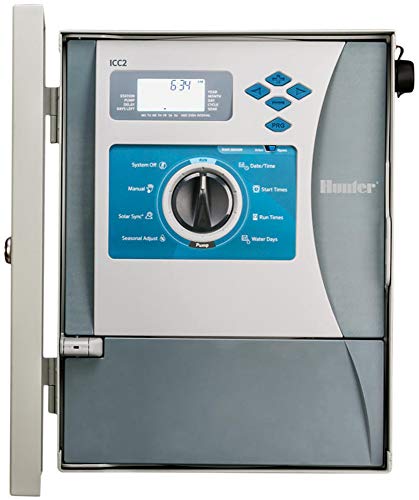
Hunter I2CF-800M I2C-800M Residential or Commercial Timer. Now with Built-in flow monitoring for smart water savings With optional Flow Sync sensor. Requires HFS Flow-Sync Sensor or WFS Wireless Flow Sensor Kit and FCT fitting for pipe installation.

【All-in-One Solar Well Pump Kit】 - Includes 4x100W solar panels, a 3-inch deep well pump with built-in MPPT controller for connecting solar cables and liquid level sensor.

BACKFLOW PREVENTION: The Febco Bronze Pressure Vacuum Breaker Backflow Preventer Assembly provides the ultimate mechanical protection of potable water against cross-connection contamination hazards. It is used to protect against health hazard and non-hazard back-siphonage of toxic or non-toxic liquids and meets the specifications of the USC FCCCHR Manual.
Your First Raised Bed: Budget Breakdown for Beginners
Getting started with your first raised bed doesn’t have to break the bank, though understanding where your money goes makes a real difference in your planning. A basic wooden frame typically costs $100–$300, depending on size and materials. Soil and compost run $50–$150, while seeds for seed starting average $20–$40. You can reduce expenses through thrift sourcing, finding reclaimed wood or used materials at local salvage yards or online marketplaces. Garden tools and supplies add another $30–$75. Budget-conscious gardeners often start small, perhaps with a 4×8-foot bed, then expand later. Planning your purchases carefully and prioritizing essential items like quality soil guarantees your initial investment yields healthy plants without unnecessary spending.
Recommended Products

Designed for Larger Backyards: Built for medium to large backyards around 440 sq ft, this layout delivers a complete, organized growing system with clear walkways and high planting capacity. Includes 4* 4x4x1.5 ft, 4* 8x2x1.5 ft, and 2* 10x2x1.5 ft raised beds for gardening, Ideal for families growing vegetables, flowers, and rotating crops at scale
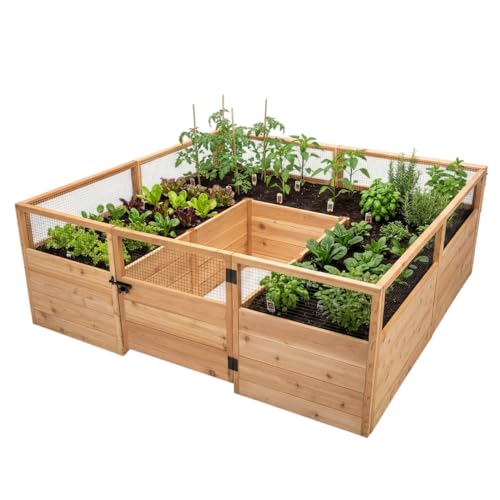
Exterior dimensions: 92W x 95D x 33.5H in.

【BUILT TO LAST】Crafted from heavy-duty 0.8mm Zn-Al-Steel, this galvanized raised garden bed is engineered for decades of reliable use. The extra internal support rods combined with a robust corrugated panel design effectively prevent bulging or warping under soil pressure, ensuring your raised garden beds outdoor its structural integrity and strength year after year
Frequently Asked Questions
How Long Do Raised Garden Beds Typically Last Before Requiring Replacement?
I’d say you’re looking at 5-15 years, depending on materials and care. Wood frames deteriorate faster than metal or composite options. Your maintenance cycles—regular sealing, drainage checks, and soil rejuvenation—directly impact lifespan variability and longevity markedly.
What Materials Are Most Eco-Friendly and Sustainable for Raised Bed Construction?
I’d recommend reclaimed lumber and corrugated metal—they’re nature’s gentle choice. Reclaimed lumber reduces waste while corrugated metal’s durability means you’re investing in longevity. Both options honor sustainability without compromising your garden’s potential.
Can Raised Beds Be Used Year-Round in Cold Climates With Proper Preparation?
Yes, I’ve found raised beds work year-round in cold climates. I use frost blankets to protect winter crops and employ cold storage techniques. With proper insulation and cover systems, you’ll extend your growing season markedly.
How Do I Prevent Pests and Rodents From Damaging Crops in Raised Beds?
I’ll help you protect your crops. Over 35% of U.S. households grow food at home. I recommend installing secure fencing around your raised beds and using natural repellents like neem oil or companion planting to deter pests and rodents effectively.
What’s the Optimal Soil Depth Needed for Different Types of Vegetables and Plants?
I’d recommend matching your container depth to each plant’s root depth. Shallow-rooted vegetables like lettuce need 6-8 inches, while tomatoes and carrots require 12-18 inches. Deeper beds give you flexibility for multiple crops.