
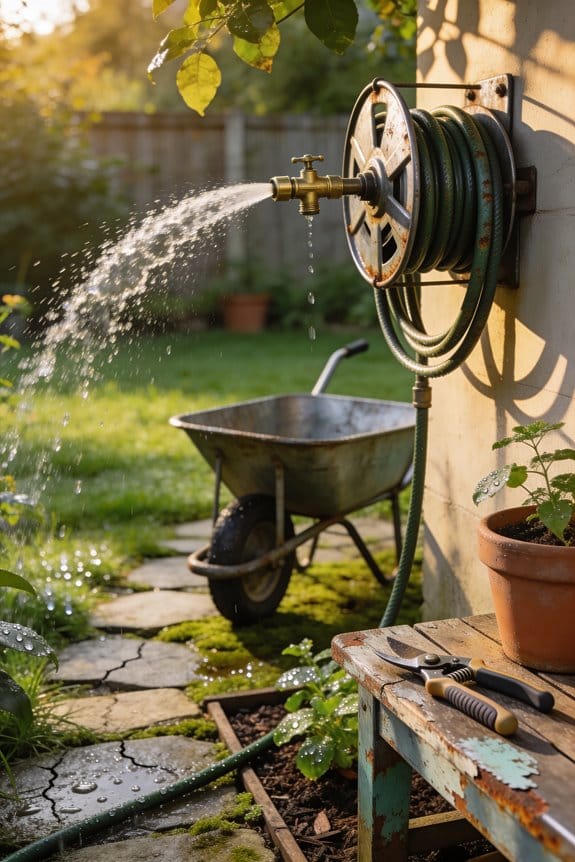

Sprinkler systems work by using water pressure to activate strategically placed heads that deliver irrigation to specific zones on your lawn. A controller acts as the system’s brain, sending electrical signals to open valves at programmed times, while pressure regulators guarantee consistent water flow. Homeowners are installing them because they eliminate manual watering, reduce water waste through precise delivery, and lower utility bills considerably over time. Understanding each component’s role reveals how this investment pays off.
Key Takeaways
- Controllers program watering schedules and send electrical signals to valves that direct pressurized water to specific landscape zones.
- Nozzles create pressure differences that activate sprinkler heads, with sizing determining flow rates for targeted water delivery.
- Smart sensors automatically adjust watering based on rainfall and soil moisture, optimizing water usage and maintaining healthy landscapes.
- Automated systems eliminate manual labor, reduce water bills through efficient distribution, and often qualify for municipal installation incentives.
- Long-term financial savings compound over months and years as reduced water consumption and eliminated labor costs offset initial investment.
How Sprinkler Systems Work
Understanding how your sprinkler system operates requires knowing the journey water takes from its source to your lawn. Water flows through a backflow preventer, which protects your drinking water supply from contamination. A controller acts as your system’s brain, sending signals to open and close valves at programmed times. Each valve directs water to specific zones containing sprinkler heads that spray designated areas. When the valve opens, water pressure activates the heads; when it closes, pressure decreases and the heads disengage. Regular sprinkler maintenance, including checking for leaks and worn nozzles, keeps your system efficient. Seasonal adjustments to your controller make certain you’re watering appropriately throughout the year. Understanding these components helps you maintain an effective irrigation system.
Water Pressure: The Foundation of Even Coverage
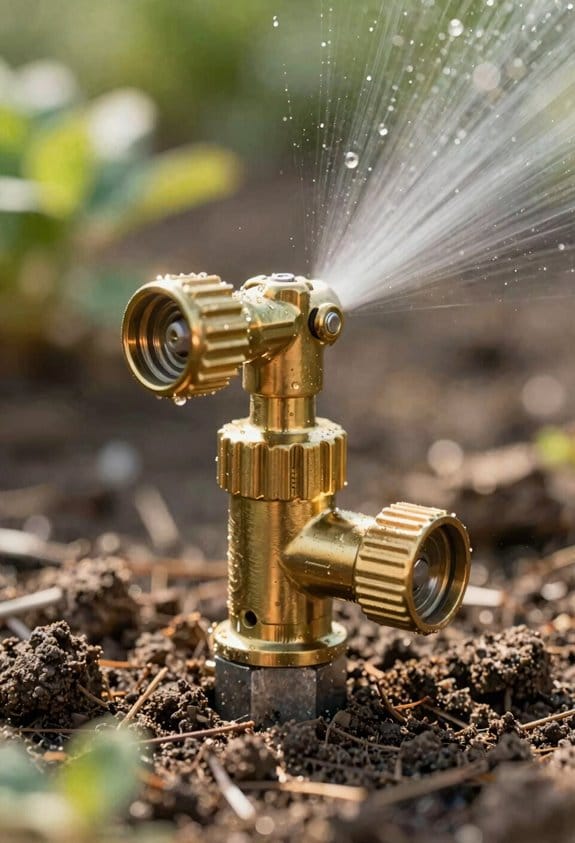
Now that you know how your sprinkler system operates, it’s time to understand the force that makes everything work: water pressure. Water pressure builds inside pipes and sprinkler bodies because nozzles have smaller diameters than the pipes feeding them. This pressure difference is essential for activating sprinkler heads and enabling proper water distribution.
Flow consistency depends on maintaining steady pressure throughout your system. Pumps add necessary pressure to ensure water reaches all zones evenly, while pressure regulators help maintain consistent delivery. Nozzle sizing directly affects how much water flows through each sprinkler head. Larger nozzles allow more flow, while smaller nozzles restrict it.
When your controller signals valves to close, water pressure decreases, causing sprinkler heads to disengage. Understanding this pressure-driven system helps you maintain optimal irrigation coverage.
Controllers and Timers: Your System’s Brain
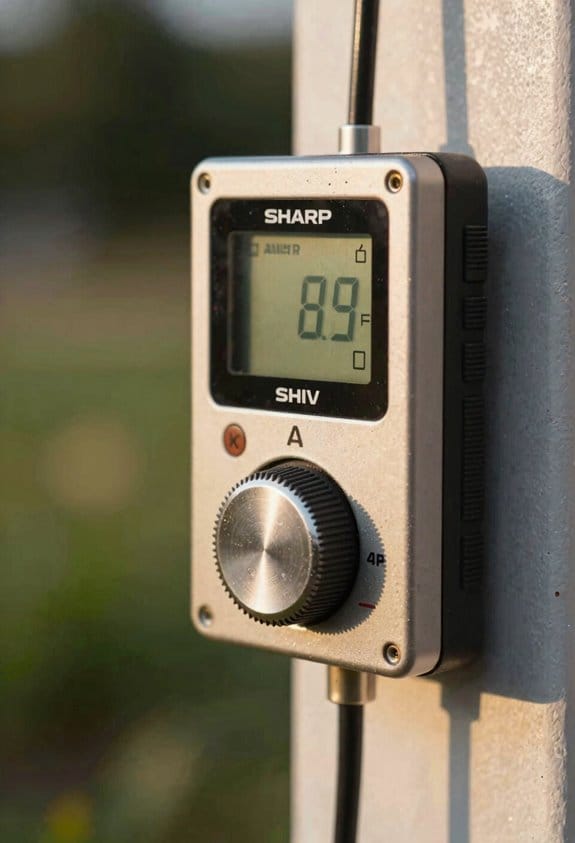
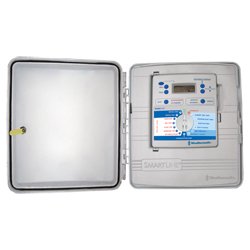
Your sprinkler system’s controller, often called a timer, serves as the command center that determines when your irrigation system turns on and off. This device sends electrical signals to open and close valves at programmed times you select. Modern controllers offer smart scheduling capabilities, allowing you to customize watering duration and frequency based on your yard’s specific needs. Many advanced systems include sensor integration, which adjusts watering schedules automatically based on rainfall or soil moisture levels. By programming your controller properly, you’ll optimize water usage while maintaining healthy lawns and gardens. The timer effectively eliminates manual watering, giving you convenience and consistency throughout the growing season.
Recommended Products
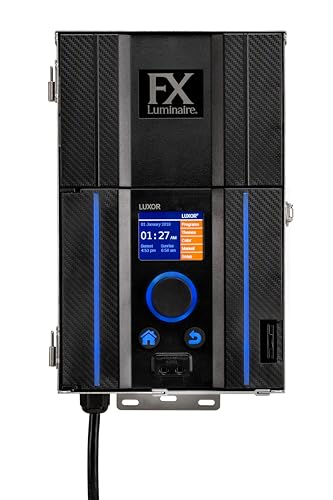
Genuine FX Luminaire by Hunter OEM Product

Genuine FX Luminaire by Hunter OEM Product
Zones, Valves, and Sprinkler Heads: Directing Water Where You Need It
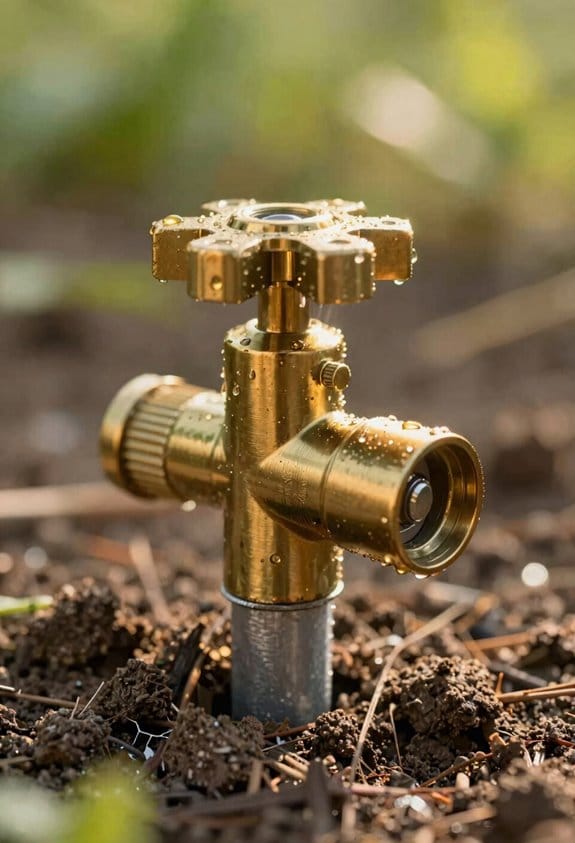
While your controller decides when water flows through the system, the zones, valves, and sprinkler heads work together to direct that water to the right places in your yard. Each zone contains a specific group of sprinkler heads that water particular areas, allowing you to customize watering for different parts of your landscape. Valves receive signals from your controller and open to release pressurized water into selected zones. Sprinkler heads then deliver that water through nozzles in fan or rotating patterns. For precise watering, you might install drip emitters that slowly release water directly to plant roots. Soil moisture sensors can also help your system determine when watering is actually needed, preventing unnecessary water waste.
Recommended Products

Bronze body construction ensures durability and long life

BACKFLOW PREVENTION: The Febco Bronze Reduced Pressure Zone Backflow Preventer Assembly is designed to prevent the reverse flow of high hazard (toxic) fluids found in the water from entering into the potable water supply due to back-siphonage and/or backpressure.

BUILT TO LAST: Rugged cast iron pump housing and robust brass impeller for abrasive water conditions such as ditch water and reservoirs exposed to the elements
Sprinkler Head Types: Impact vs. Fixed Models
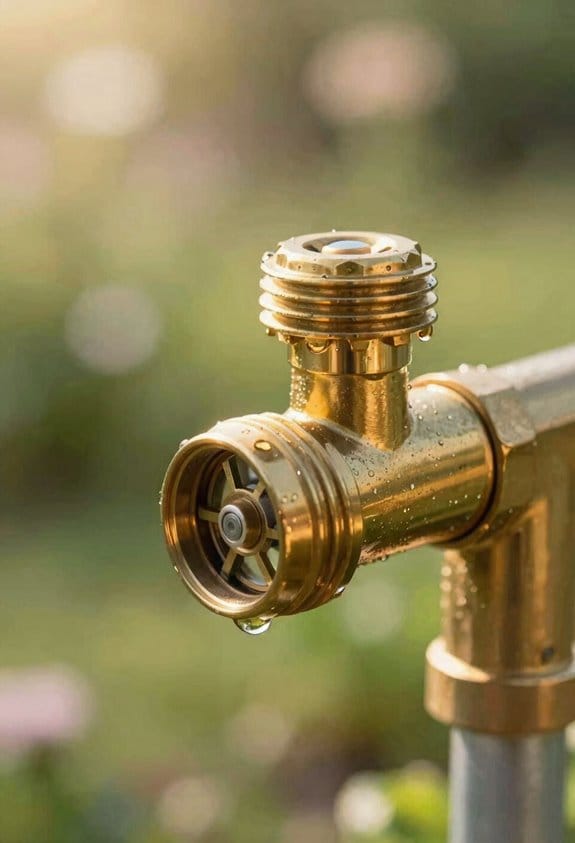
The sprinkler heads installed in your system determine how water spreads across each zone, making the choice between impact and fixed models an important decision for your lawn’s irrigation needs. Impact sprinklers use rotating arms powered by water pressure, covering larger areas with a circular spray pattern, though they tend to operate louder than alternatives. Fixed heads spray water in fan-shaped patterns, providing quieter operation and precise coverage for specific zones. When selecting between these types, consider your yard’s layout and noise sensitivity. Impact models require more nozzle maintenance due to their moving components, while fixed heads need minimal upkeep. Both effectively distribute water when properly pressurized, so your choice depends on coverage area, budget, and maintenance preferences.
Recommended Products

A digital combination lock provides easy access as well as the ability to change the code as often as you like. The combination can be set with a minimum of 4 and a maximum of 16 digits. Dimensions: 64.25"H x 30.5"W x 25.5"D. Interior: 57"H x 23.5"W x 17.25"D. Included with safe: 3 Adjustable Shelves, 1 Fixed Drawer.
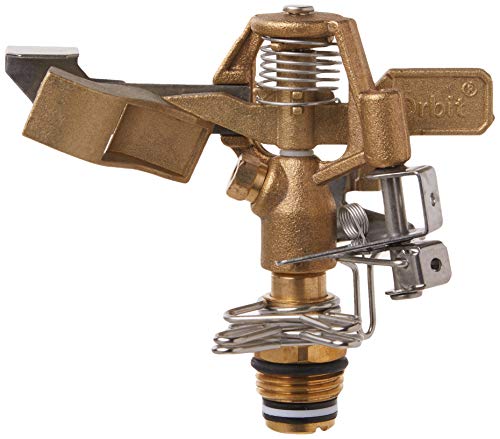

Impact Lawn Sprinkler: Package Include 6 pieces brass impact sprinkler, 6 pieces tripod base. Achieve free rotation spray water 0-360 degree. You can adjust the spray distance and spray angle through the 4 different adjustments on the rainbird sprinkler heads according to your needs.
Backflow Preventers and Master Valves: Protecting Your Water Supply
Once you’ve selected the right sprinkler heads for your yard’s layout, I’d like you to take into account another equally important aspect of your irrigation system: the components that protect your home’s water supply. Backflow preventers are essential devices that stop contaminated water from your irrigation system from flowing back into your drinking water supply, a serious health hazard. These preventers are typically installed where your system connects to the water source and serve as your main shut-off point. Master valves work alongside backflow preventers by capturing pressure in the main line, preventing costly leaks when your system shuts down. Many municipalities require cross connection testing to verify these components function properly. Additionally, pressure relief valves protect your system by releasing excess pressure, ensuring everything operates safely and efficiently.
Recommended Products

Field adjustable outlet pressure settings

Easy access to first check simplifies debris removal

Planning Your Installation: Above-Ground or Underground?
Before you install your sprinkler system, you’ll need to decide whether an above-ground or underground setup makes more sense for your home and yard. Above-ground systems offer easier installation logistics since they require minimal digging and can be installed quickly. However, they create a significant aesthetic impact, as visible pipes and sprinkler heads may detract from your yard’s appearance. Underground systems, conversely, keep piping hidden beneath the soil, preserving your landscape’s visual appeal. The installation logistics for underground systems demand more extensive excavation and professional expertise, which increases both time and cost. Consider your yard’s size, budget, and how you prioritize appearance versus convenience when making this decision.
Recommended Products

UNDERHILL AUD-LT ON-SITE AUDITING KIT: Audit your water sprinklers with this handy kit to check if they’re performing poorly or wasting water. Maximize your efficiency and water savings. Made in USA.
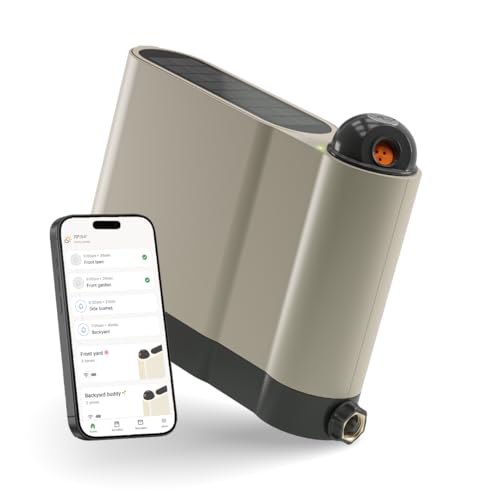
SMART WATERING, ZERO GUESSWORK - OtO automatically waters your lawn and plants exactly where they need it — saving you time, money, and effort

Effortless Yard Irrigation Setup: The Orbit All-in-One Automatic Watering System simplifies yard irrigation with a complete 2-zone automatic sprinkler system designed to deliver consistent watering
Why Homeowners Choose Automated Sprinkler Systems
Homeowners frequently opt for automated sprinkler systems because they eliminate the need for manual watering and markedly reduce the time you spend maintaining your lawn and garden. These systems deliver water precisely to designated zones, which supports water wise landscaping by preventing waste from overwatering or manual application errors. Controllers program specific watering times and durations, ensuring consistent hydration without daily effort. Many municipalities offer installation incentives to encourage homeowners to adopt efficient irrigation technology, making upgrades more affordable. Automated systems also provide flexibility, allowing you to adjust schedules seasonally or during rainfall. The combination of convenience, environmental responsibility, and potential cost savings through incentive programs makes automated sprinkler systems an attractive investment for homeowners seeking efficient landscape maintenance solutions.
Long-Term Savings: Time, Water, and Money
Installing an automated sprinkler system offers substantial long-term savings across three critical areas: your time, your water consumption, and your household budget. First, you’ll experience significant labor savings since the controller handles watering schedules automatically, eliminating manual watering and system adjustments. Second, automated systems optimize water distribution through precise zone control, reducing waste compared to hand-watering methods. This efficiency provides drought resilience by delivering water exactly where needed, minimizing unnecessary runoff. Third, lower water bills accumulate over months and years as your consumption decreases. While initial installation requires investment, the combination of reduced water usage, eliminated labor costs, and decreased utility expenses creates measurable financial benefits that compound over time, making sprinkler systems a practical investment for most homeowners.
Frequently Asked Questions
How Often Should I Maintain and Service My Sprinkler System for Optimal Performance?
I’d recommend scheduling an annual inspection to check for leaks and damage. Make seasonal adjustments before spring watering begins and after fall shutdown. Regular maintenance guarantees your system operates efficiently and prevents costly repairs.
What Is the Average Cost to Install a Residential Sprinkler Irrigation System?
I’d recommend budgeting between $3,000 and $6,000 for a residential sprinkler installation cost, though your system size greatly impacts the final price. Larger yards naturally cost more than smaller properties.
Can I Retrofit an Existing Sprinkler System to My Current Landscape Design?
You can absolutely retrofit your existing system—as the saying goes, “measure twice, cut once.” I’d recommend evaluating your plant zoning needs and considering drip conversion options to match your current landscape design efficiently.
How Do I Winterize My Sprinkler System to Prevent Freeze Damage?
I’d recommend using a winterize checklist that includes a blowout procedure to remove water from pipes and sprinkler heads. You’ll want to shut off the water supply, drain the system, and use compressed air to eliminate remaining moisture that could freeze and damage components.
What Permits or Inspections Are Required Before Installing a Sprinkler System?
You’ll need building permits from your local municipality before installation. I’d recommend contacting your city for specific requirements. Don’t forget utility locates—they’ll mark underground lines to prevent costly damage during excavation.


