

I can cut my lawn’s water waste markedly by watering early, between 4 and 9 AM, when evaporation is lowest. I’ll water deeply but infrequently—about once weekly—to encourage deeper root growth that accesses soil moisture better. Choosing drought-resistant grasses like tall fescue or bermudagrass reduces my irrigation needs by 20%. I’ll also mow high at 3+ inches to shade soil, apply mulch to retain moisture, and install smart controllers with soil sensors to avoid watering after rain. Understanding these techniques together reveals how substantially I can reduce waste.
Key Takeaways
- Water between 4-9 AM to minimize evaporation and ensure more water reaches soil.
- Apply 1 inch of water weekly through deep, infrequent irrigation to encourage root growth.
- Plant drought-resistant grasses like tall fescue or bermudagrass to reduce irrigation needs permanently.
- Install smart controllers with soil moisture sensors to avoid watering during rainy periods.
- Mow at 3+ inches and apply 2-3 inches of mulch to retain soil moisture.
Water Early Morning and Less Often to Cut Waste
During a drought, you’ll want to change when and how often you water your lawn to save as much water as possible. Early watering between 4 and 9 AM minimizes evaporation, which means more water reaches your soil instead of disappearing into the air. I recommend watering deeply but infrequently—ideally once weekly or less—applying about 1 inch of water total per week, including rainfall. This reduced frequency encourages grass roots to grow deeper, making your lawn more resilient during dry periods. By combining early watering with less frequent sessions, you’ll cut waste substantially while maintaining a healthy lawn. Use a rain gauge to track your weekly water total and adjust your schedule accordingly.
Recommended Products
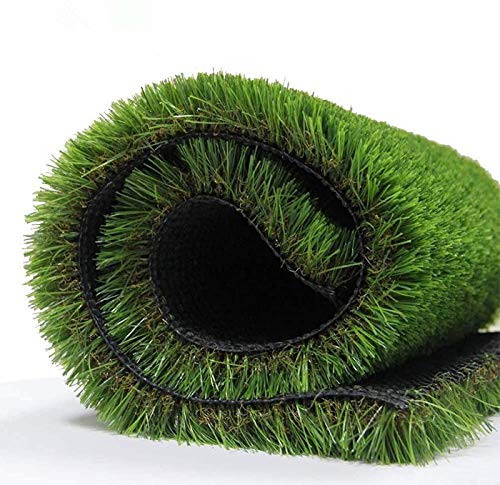
THICK & REALISTIC ARTIFICAL GRASS outdoorliving: Grass height about 1.37” in length, 70 oz total weight per square yard, high-density artificial grass. With 4-tone color, soft and lush and the thatch looks & feels like real grass. Providing you with year round green and turf enjoyment, perfect for all indoor and outdoor projects.

THICK & REALISTIC ARTIFICIAL GRASS RUG: The grass mat is 1.38 inches high and thickened and encrypted, fluffy, soft and untidy, With 4-tone color more lifelike, thickened adhesive is thicker and the grass silk is not easy to fall off.

Luxurious Thick & Soft Artificial Grass Rug: The thickened high-density turf with 1.57 inch blade,with 4 Tone Design, lush and luxurious, soft and beautiful landscape grass. W-shaped yarn, upright and natural looking.Feels nice and fresh on bare feet.
Pick the Right Grass and Water Your Lawn 20% Less
Selecting the right grass species for your lawn can dramatically reduce your water needs without sacrificing a healthy appearance. I’d recommend considering fine fescues, which are naturally drought-tolerant and recover quickly after stress. Tall fescue offers deep roots that access moisture deeper in the soil, making it an excellent choice for dry climates. If you’re willing to make a species swap, bermudagrass and zoysiagrass can reduce your irrigation by 20% permanently. Before choosing your seed mix, evaluate your yard layout and sunlight patterns. By selecting drought-resistant varieties and adjusting your watering schedule accordingly, you’ll maintain a healthy lawn while conserving water during challenging drought periods without compromising the appearance of your landscape.
Recommended Products

Be Bee Friendly: Designed to provide high-quality food for our at-risk pollinators while maintaining the typical recreation associated with the turfgrass lawn

GOOD SHADE & VERSATILE SUN TOLERANCE: This premium bluegrass seed mix is ideal for growing a lush, green lawn in outdoor areas with low light or shaded areas, while also adapting to full sun in cooler climates. The cold-tolerant, soft fine-bladed grass grows dense and wear resistant, requiring less water. The coated seeds are easy to spread and ensure excellent soil contact, promoting healthy growth in any setting.
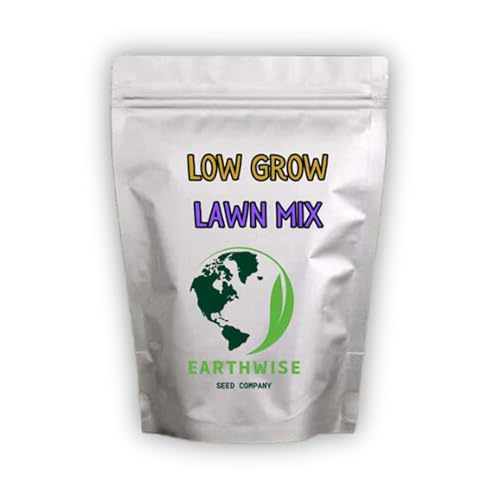
LOW GROW NO MOW GRASS SEED MIX: Alternative lawn mix grows naturally under 7 inches for reduced mowing. Fine fescues create dense coverage and a soft, meadow-like look, with clovers that support long-term soil benefits.
Upgrade to Smart Irrigation and Fix Leaks
Modernizing your irrigation system offers one of the most effective ways to conserve water during a drought, since smart controllers automatically adjust watering based on weather conditions and soil moisture levels. I recommend installing soil moisture sensors throughout your lawn, ensuring proper sensor placement so they accurately read moisture at the root zone. Once you’ve integrated these sensors with your controller integration system, your sprinklers won’t run unnecessarily on rainy days or when soil contains adequate water.
Beyond upgrading, you’ll want to inspect your existing system for leaks. I’ve found that repairing damaged pipes and sprinkler heads reduces waste by over 10 percent. Check connections regularly and replace worn components. These maintenance steps, combined with smart technology, dramatically lower your water consumption while keeping your lawn healthy.
Recommended Products
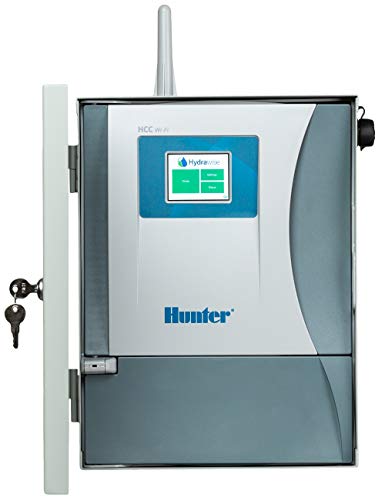
Wi-Fi enabled for quick connection to Hydrawise software.
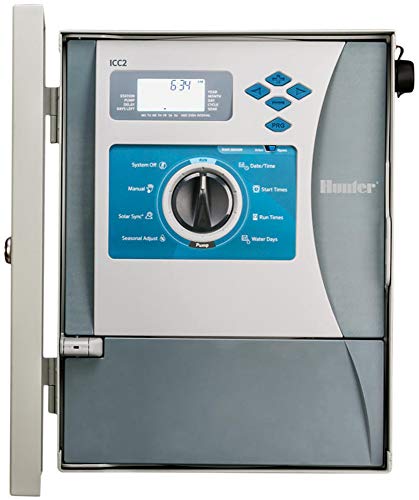
Hunter I2CF-800M I2C-800M Residential or Commercial Timer. Now with Built-in flow monitoring for smart water savings With optional Flow Sync sensor. Requires HFS Flow-Sync Sensor or WFS Wireless Flow Sensor Kit and FCT fitting for pipe installation.

Intelligent irrigation control: 6 valves can be individually programmed and irrigated based on needs
Mulch and Mow High to Shrink Watering Needs
Adjusting your mowing height and adding mulch around plants are two straightforward practices that’ll markedly reduce your watering needs without requiring expensive equipment upgrades. When you mow high at 3+ inches, the taller grass blades shade soil and retain more moisture, decreasing evaporation notably. This height also promotes deeper root systems that access water reserves more effectively.
Mulch around plants reduces evaporation by two-thirds, creating a protective barrier that keeps soil cooler and wetter longer. In shaded areas where thatch management becomes important, mulch prevents excess organic buildup while maintaining moisture. Applying 2-3 inches of mulch around plant bases minimizes water loss and reduces your overall irrigation frequency considerably.
Recommended Products
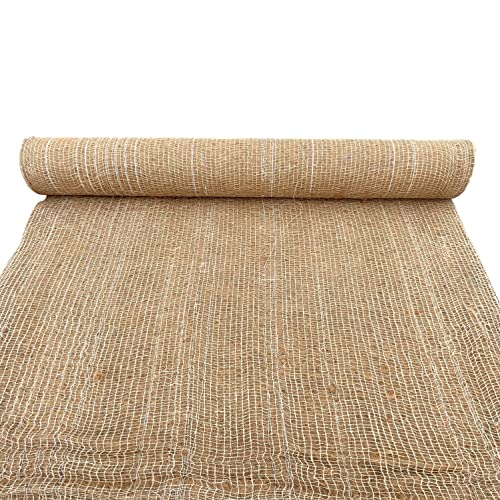
100% COCONUT FIBER FOR EROSION CONTROL: Made from 100% coconut fiber, this mat stabilizes steep slopes and controls erosion while supporting natural seed germination in eco-restoration and highway landscaping projects.

Superior Quality: Experience premium, long needle pine mulch for unmatched landscaping results.
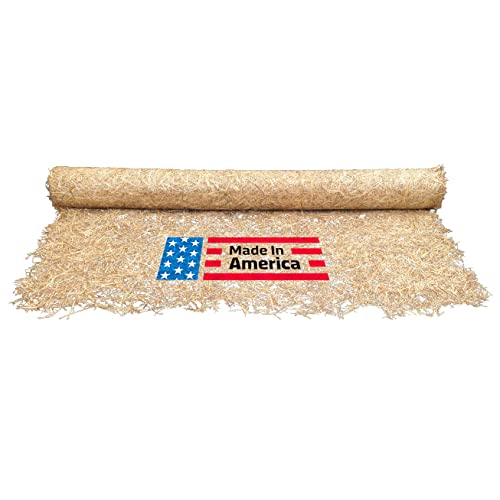
PROMOTE SLOPE STABILITY FOR 3:1 - 2:1 SLOPES: Perfect for all types of slopes (landfill slopes, drainage slopes, road slopes, etc.). Straw helps to prevent run-off since it’s able to absorb and retain water.
Spot Drought Stress Before It’s Too Late
Even with mulch and proper mowing height protecting your lawn, you’ll still need to watch for signs that your grass isn’t getting enough water. The most reliable wilting indicators appear when your lawn shows stress. Look for folded grass blades, a blue-gray tint to the color, and visible footprints that don’t spring back quickly. These signals mean your grass needs water soon. Understanding root depth helps you water effectively. Deeper root systems access moisture from lower soil layers, so infrequent deep watering encourages roots to grow down. Water deeply to encourage this root development. When you notice these drought stress signs, irrigate immediately to prevent permanent damage and maintain your lawn’s health through dry periods.
Recommended Products

Easy to Operate for Home Composting, Gardening, Schools & Community Programs

Soil Moisture Meter, Garden Moisture Sensor Hygrometer Soil Water Monitor for Farm/Lawn/Indoor/Outdoor Plants

【4 in 1 function】This is a 4-in-1 multifunctional soil tester.Our soil tester fastly to measure soil moisture, pH, temperature and sunlight to help you take better care of flowers and plants.You can know when you need to water your soil by measuring moisture and pH & Temperature value of the soil and sunlight level of plants with it.
Frequently Asked Questions
How Do I Measure Water Accurately to Ensure My Lawn Gets Exactly One Inch Weekly?
I’d measure water with a rain gauge—it’s literally a game-changer for precision watering. Place it where your sprinkler reaches, then conduct a sprinkler audit to confirm you’re hitting that vital one-inch weekly target.
Should I Water My Lawn Differently Based on Soil Type Like Sand Versus Clay?
Yes, I’ll adjust my watering based on soil texture and root depth. Sandy soils need frequent, short watering sessions since they drain quickly, while clay soils require longer, infrequent watering to prevent runoff and maximize root depth penetration.
Can My Lawn Survive With Reduced Watering, and Will It Recover Afterward?
Your lawn’ll survive 20-30% reduced watering through dormant turf, entering a protective state. It’ll recover quickly post-rain or irrigation without dying—I’d expect green-up within days of normal watering resuming.
How Do I Group Plants by Water Needs to Optimize My Irrigation System?
I’ve watched gardeners water cacti like roses—total waste. I group plants into drip zones by water needs: thirsty plants together, xeric beds separate. This hydrozone strategy lets each zone run independently, matching what plants actually need.
What Specific Wilt Signs Indicate My Lawn Actually Needs Water Immediately?
I’d watch for folded wilting blades, a blue-gray tint, and visible footprints that don’t spring back. You’ll also notice brown tips appearing. These signs mean your lawn needs water immediately to prevent damage.