As an Amazon Associate, we earn from qualifying purchases. Some links on this site are affiliate links at no extra cost to you. Our recommendations are based on thorough research and editorial judgment.

7 Manual Sod Cutters That’ll Make Your Lawn Look Picture-Perfect

You’re kneeling on a patch of uneven grass, the sun beating down while you wrestle a stubborn clump of sod that refuses to line up with the rest of the lawn. The mower’s roar drowns out the quiet you hoped for, and each tug leaves ragged edges that ruin the picture‑perfect look you’re after.
What separates a good manual sod cutter from a flimsy one? Many shoppers focus only on blade length, overlooking blade material, ergonomics, and the ability to handle thick roots without fatigue. Over‑paying for heavy‑duty steel that feels like a hammer, or choosing a cheap plastic blade that bends after a few cuts, are common mistakes.
This guide reviews seven top manual sod cutters, selected based on blade durability, ergonomic design, and versatility across lawn terrains. By the end, you’ll know which model matches your specific repair needs and how each one delivers clean, quiet cuts without the mower’s noise.
Key Takeaways
If you’re battling uneven edges on a compacted lawn, a medium‑length, curved serrated blade like the one on the SaidiCo will give you clean cuts while keeping your hand from tiring out. It’s a solid choice for anyone who wants a smooth finish without endless re‑sharpening. The blade’s curve follows the grass line naturally, so you spend less time correcting mistakes.
For anyone who works on tougher soil, heavy‑duty steel blades such as those from Standard Golf or Garden Weasel stay sharp longer and resist wear. You’ll notice the difference the first time you tackle a patch that’s been trampled by kids or pets. These blades cut through compacted ground without snagging, saving you a lot of frustration.
What makes a good handle essential is ergonomics, and a T‑handle with cushioned grips lets you stay upright and reduces wrist strain. You’ll appreciate the 30‑54 inch length that lets you reach corners without bending over. Comfort matters when you’re edging a large yard.
You get a wider 8‑9 inch blade for quick coverage, but if you need to thread a narrow flower bed, a 2‑4 inch blade offers the precision you crave. Switching between widths is easy, so you can adapt to any part of your lawn. The right width makes the job faster and cleaner.
Perfect for the organized gardener, look for storage‑friendly features like a hanging hole or a nylon cover. You’ll keep the blade rust‑free and ready for the next mowing session. Simple cleaning and proper storage extend the tool’s life.
| SaidiCo Handheld Sod Cutter Medium Size |  | Best Overall | Blade Material: High‑quality steel | Blade Shape/Type: Curved sickle, serrated edge | Handle Ergonomics: White comfort‑grip handle | VIEW LATEST PRICE | Read Our Analysis |
| Standard Golf Hexagon Turf Repair Tool (Heavy-Duty Sod Cutter) |  | Professional Grade | Blade Material: Heavy‑duty steel | Blade Shape/Type: Hexagonal turf repair cutter | Handle Ergonomics: Ergonomic easy‑to‑grip handle | VIEW LATEST PRICE | Read Our Analysis |
| Stainless Steel Double-Edged Sod Cutter Knife (11.14″) | 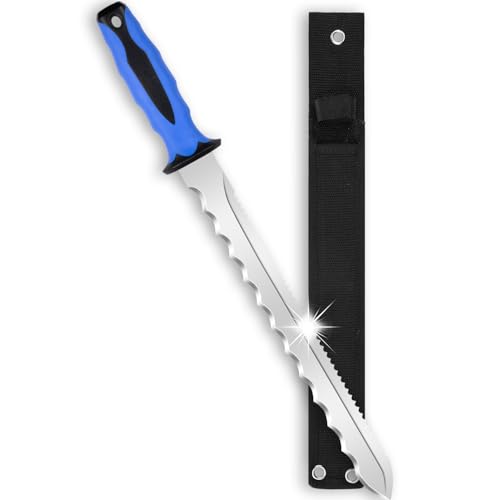 | Compact Power | Blade Material: Stainless steel (alloy) | Blade Shape/Type: Double‑edged rectangular blade | Handle Ergonomics: Rubber ergonomic handle | VIEW LATEST PRICE | Read Our Analysis |
| Garden Weasel Manual Lawn Edger with Carbon Steel Blade | 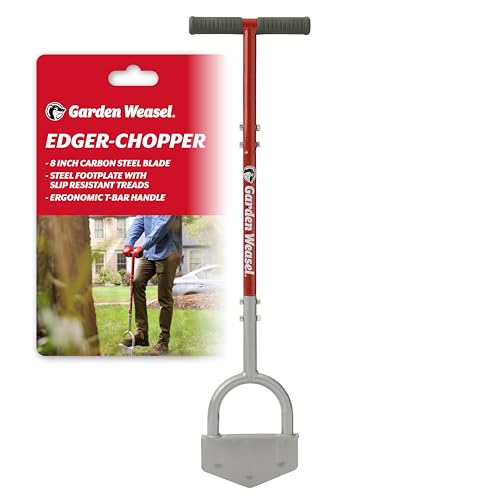 | Heavy-Duty Edge | Blade Material: Tempered carbon steel | Blade Shape/Type: Carbon steel edge (flat, beveled) | Handle Ergonomics: Ergonomic T‑handle | VIEW LATEST PRICE | Read Our Analysis |
| KAKURI Hand Sod Cutter 7.6″ Serrated Blade Weed Tool |  | Budget-Friendly | Blade Material: Heavy‑duty carbon steel | Blade Shape/Type: Serrated sickle blade | Handle Ergonomics: Natural poplar wood handle | VIEW LATEST PRICE | Read Our Analysis |
| Yard Butler DIY Lawn Repair Sod Plugger with Long Handle |  | Stand-Up Convenience | Blade Material: Steel (reinforced) | Blade Shape/Type: Sawtooth cutting blade | Handle Ergonomics: Cushioned grips on long handle | VIEW LATEST PRICE | Read Our Analysis |
| Bully Tools Heavy Duty Sod Lifter (12-Gauge) |  | Lifetime Warranty | Blade Material: 12‑gauge alloy steel | Blade Shape/Type: Flat/beveled blade | Handle Ergonomics: D‑grip (wood ash/plastic) handle | VIEW LATEST PRICE | Read Our Analysis |
More Details on Our Top Picks
SaidiCo Handheld Sod Cutter Medium Size
If you need to tidy up the edges of your garden without hauling a noisy mower, this handheld cutter does the job quickly. Its curved sickle blade with a serrated edge slices cleanly through turf, so you get a neat line every time. You’ll appreciate how the medium length gives you enough power while staying easy to maneuver.
For anyone who wants a tool that stays sharp longer, the high‑quality steel blade is a real time‑saver. You won’t have to stop frequently to sharpen, which means you can finish a whole yard in one go. The white comfort‑grip handle reduces hand fatigue, letting you work for extended periods.
What makes this sod cutter stand out is the handy hanging hole on the blade head for effortless storage. You can clean it by hand washing, machine washing, or dry cleaning, keeping it ready for the next use. The warranty details are available on the manufacturer’s site.
- Blade Material:High‑quality steel
- Blade Shape/Type:Curved sickle, serrated edge
- Handle Ergonomics:White comfort‑grip handle
- Size / Blade Length:Medium size (balanced)
- Manual Operation:Hand‑held manual cutter
- Warranty / Support:Manufacturer warranty (link)
- Additional Feature:Hanging storage hole
- Additional Feature:White comfort‑grip handle
- Additional Feature:Machine‑washable blade
Standard Golf Hexagon Turf Repair Tool (Heavy-Duty Sod Cutter)
If you need to patch a divot on a green quickly, the heavy‑duty steel construction gives you clean, precise cuts that snap together tightly. You’ll see fewer seams and a faster recovery because the hexagonal blade creates six‑sided pieces that lock like a puzzle. The grip feels comfortable, so your hand stays fresh even after a long day.
For anyone who works on fairways or lawns, the ergonomic design means you can keep steady control without fatigue. The steel resists wear from constant outdoor use, so you won’t have to replace it often. It’s an American‑made, employee‑owned brand with a history dating back to 1910.
What makes this turf repair tool stand out is the way the hexagonal blade slices sod into perfect puzzle pieces. You can fill uneven patches without visible gaps, and the clean edges help the grass heal faster. The sturdy steel keeps the blade sharp through many cuts.
You get a reliable, professional‑grade tool without breaking the bank. The construction is tough enough for daily use on greens, fairways, and lawns. It’s built to last, so you can focus on the job instead of worrying about equipment.
- Blade Material:Heavy‑duty steel
- Blade Shape/Type:Hexagonal turf repair cutter
- Handle Ergonomics:Ergonomic easy‑to‑grip handle
- Size / Blade Length:Heavy‑duty (unspecified)
- Manual Operation:Manual heavy‑duty cutter
- Warranty / Support:Manufacturer warranty (referenced)
- Additional Feature:Hexagonal sod pieces
- Additional Feature:Professional‑grade steel
- Additional Feature:American‑made heritage
Stainless Steel Double-Edged Sod Cutter Knife (11.14″)
If you’re tackling thick sod or tiny branches while camping, gardening, or fixing a lawn, you’ll love a tool that’s both light and easy to handle. The 11.14‑inch stainless‑steel blade stays razor‑sharp and resists rust, so you can slice dense turf and thin sticks without the edge dulling quickly. Its rubber ergonomic handle cuts hand fatigue, and the safety lock keeps the blade steady when you need precision. Weighing just 0.22 kg, it’s portable enough for hikes and quick lawn repairs alike. A nylon cover protects the edge during storage, extending its lifespan. This manual cutter is perfect for pruning, patching grass, and prepping firewood at the campsite. You get reliable cutting power without the bulk of a heavy tool. The stainless steel construction means you won’t have to worry about corrosion after a rainy day. The safety lock makes it safe for kids to watch while you work. A compact design fits easily into your backpack. The ergonomic grip feels natural in your hand. This cutter delivers consistent results every time. You’ll appreciate how quickly you can finish a lawn patch. The sturdy blade handles both sod and small branches with ease. The lightweight build means you can carry it all day without strain. The nylon cover adds an extra layer of protection when you’re not using it. This tool is a solid addition to any outdoor enthusiast’s kit.
- Blade Material:Stainless steel (alloy)
- Blade Shape/Type:Double‑edged rectangular blade
- Handle Ergonomics:Rubber ergonomic handle
- Size / Blade Length:11.14 in blade
- Manual Operation:Manual handheld knife
- Warranty / Support:Manufacturer warranty (available)
- Additional Feature:Nylon blade cover
- Additional Feature:Safety locking device
- Additional Feature:Rubber ergonomic handle
Garden Weasel Manual Lawn Edger with Carbon Steel Blade
If you want crisp, defined borders around flower beds without wrestling with a noisy power tool, the Garden Weasel manual lawn edger steps in. Its 8‑inch tempered carbon‑steel blade slices through sod, compacted soil, and small roots, delivering clean lines every time. You’ll love how the extra‑wide, slip‑resistant footplate gives you leverage while you step and press.
For anyone who struggles with uneven walkways, the ergonomic T‑handle keeps your posture upright and cuts strain on your arms. The rust‑resistant steel frame stands up to the elements, so you won’t be constantly re‑tightening bolts. Edge when the soil is slightly damp for the best results.
What makes this edger stand out is the lifetime warranty that backs its durability. You get a sturdy, reliable tool without the hassle of frequent replacements. Assemble it quickly by aligning the pre‑drilled holes, inserting the screws, and tightening with an Allen key—then you’re ready to go.
- Blade Material:Tempered carbon steel
- Blade Shape/Type:Carbon steel edge (flat, beveled)
- Handle Ergonomics:Ergonomic T‑handle
- Size / Blade Length:8 in blade
- Manual Operation:Manual lawn edger (step‑and‑press)
- Warranty / Support:Lifetime warranty
- Additional Feature:Extra‑wide slip‑resistant footplate
- Additional Feature:T‑handle upright posture
- Additional Feature:Lifetime rust‑resistant frame
KAKURI Hand Sod Cutter 7.6″ Serrated Blade Weed Tool
If you need a quick way to pull out stubborn weeds without a noisy power tool, the 7.6‑inch serrated blade does the job in a single swipe. Its carbon‑steel blade holds a sharp edge and resists rust, so you won’t have to sharpen it often. You’ll feel the natural poplar wood handle fit comfortably in your hand, getting smoother with each use. For anyone who wants a lightweight garden aid, the 2‑3 oz weight keeps fatigue at bay. You get a compact size that slides into a drawer, making storage a breeze. The blade’s saw‑type teeth bite into thick roots, cutting through dense grass effortlessly. You’ll appreciate the 2.5‑inch blade length that tackles larger patches without extra effort. Made in China under Japanese quality control, the cutter comes with a manufacturer’s warranty for peace of mind. Perfect for homeowners with thin lawn spots, this tool delivers a fast, low‑cost solution. You’ll notice the difference after the first few pulls. The design is simple, yet it handles the toughest weeds with ease.
- Blade Material:Heavy‑duty carbon steel
- Blade Shape/Type:Serrated sickle blade
- Handle Ergonomics:Natural poplar wood handle
- Size / Blade Length:2.5 in blade
- Manual Operation:Hand‑held manual sickle
- Warranty / Support:Manufacturer warranty (available)
- Additional Feature:Poplar wood ergonomic handle
- Additional Feature:Compact 7.6″ overall size
- Additional Feature:Japanese‑controlled quality
Yard Butler DIY Lawn Repair Sod Plugger with Long Handle
If you’re tired of kneeling on the grass to patch bare spots, the 33‑inch handle lets you stay upright and work comfortably. You’ll love the way the foot bar and sawtooth blade give you extra leverage, so cutting a 3 × 3‑inch plug feels effortless even in tough Zoysia or Bermuda. Press the ejector button and the plug pops out without you having to bend.
For anyone who wants a quick, reliable way to reseed a lawn, the welded steel frame and powder‑coated finish keep the tool sturdy through seasons. You can carry it around at four pounds without feeling weighed down. The cushioned grips stay comfortable during long sessions.
What makes this sod plugger stand out is the uniform plug size that preserves a full root system, helping new grass establish faster than rolled sod. You’ll see healthier turf when you place each plug in a prepared hole and water daily for the first week.
You get a rust‑resistant, long‑lasting tool without the hassle of heavy equipment. It’s perfect for DIY homeowners who want a simple solution for a dense, weed‑free lawn. Follow the watering and mowing tips, and your lawn will look better sooner.
- Blade Material:Steel (reinforced)
- Blade Shape/Type:Sawtooth cutting blade
- Handle Ergonomics:Cushioned grips on long handle
- Size / Blade Length:3 × 3 in plug cutter
- Manual Operation:Stand‑up manual plugger
- Warranty / Support:Manufacturer warranty (available)
- Additional Feature:33‑inch stand‑up handle
- Additional Feature:Foot‑bar lever advantage
- Additional Feature:Powder‑coated rust‑resistant frame
Bully Tools Heavy Duty Sod Lifter (12-Gauge)
If you need to lift a clean strip of sod without tearing the grass, the 12‑gauge alloy‑steel blade slices through dense turf effortlessly. The flat, beveled head is nine inches wide, so you can pull up a solid piece in one smooth motion. It’s light enough to handle, yet strong enough for garden‑bed prep and soil removal.
For anyone who struggles with flimsy tools that bend under pressure, the reinforced fiberglass shaft keeps the blade steady. The D‑grip handle feels comfortable in your hand, and the welded I‑beam supports on the steel neck add extra strength. You’ll notice the difference right away.
What makes this sod lifter stand out is its American‑made construction and limited lifetime warranty. If the tool ever fails under normal use, the manufacturer will replace or refund it. You get a reliable, durable tool without the usual trade‑offs.
- Blade Material:12‑gauge alloy steel
- Blade Shape/Type:Flat/beveled blade
- Handle Ergonomics:D‑grip (wood ash/plastic) handle
- Size / Blade Length:9 in blade width
- Manual Operation:Manual sod lifter
- Warranty / Support:Limited lifetime warranty
- Additional Feature:Reinforced fiberglass shaft
- Additional Feature:D‑grip wooden ash handle
- Additional Feature:12‑gauge alloy steel blade
Factors to Consider When Choosing Manual Sod Cutter
If you need to cut through thick, stubborn grass without overexerting yourself, a larger, heavier blade will give you deeper cuts but can tire you out faster. For anyone who values sharpness, high‑carbon steel keeps its edge longer and slices through tough roots cleanly. What makes this manual sod cutter stand out is its ergonomic handle with a comfortable grip, so your hands stay strain‑free during long jobs. You get a versatile cutting angle and curve without sacrificing portability. The adjustable angle lets you follow uneven terrain, and the compact design makes transport and storage a breeze. A well‑balanced tool feels lighter in your hands, so you can work longer. Enjoy.
Blade Size and Weight
If you need to mow a large lawn quickly, a wider 8‑to‑9‑inch blade will let you cover more ground with each pass, cutting your total work time. You’ll feel the extra push required on dense turf, but the wider swath means fewer trips back and forth. This is perfect for big yards where speed matters.
For anyone who does a lot of edging or small‑area touch‑ups, a narrower 2‑to‑4‑inch blade gives you the control you need. You can slice along flower beds and sidewalks without fuss, and you won’t tire as quickly. It’s a great fit for detailed work.
What makes this mower stand out is the balance between blade weight and momentum. Heavier blades carry more energy, helping you slice through tough sod without bogging down. Lighter blades, on the other hand, keep fatigue low and are easy to steer around tight spots.
You get a smoother ride without sacrificing power when you choose a blade that matches your yard’s soil type. If you have compacted clay, the extra weight helps you push through; if you have softer grass, a lighter blade lets you glide. Pick the size and weight that feel right for your strength and the terrain you face.
Blade Material and Sharpness
If you’re tired of stopping every few minutes to sharpen your mower, pick a blade made from high‑carbon or alloy steel. Those metals hold an edge longer, so you spend more time cutting and less time filing. High‑carbon steel gives you a razor‑thin edge that slices cleanly, but you’ll need to dry it after each use to avoid rust. Alloy steel mixes carbon with other elements, offering strength and a bit of corrosion resistance, though a quick oil wipe now still help. For anyone who works in damp soil, stainless steel resists staining, but it dulls faster, meaning you’ll sharpen it more often with a file or bench stone. Thicker gauges survive dense turf and roots, while thinner blades glide through soft soil but risk bending. Serrated or scalloped edges slice fibrous roots, whereas straight edges produce clean, seamless cuts. Regular honing maintains sharpness, reduces effort, and protects the grass. You get consistent performance without constant downtime.
Handle Ergonomics and Grip
If you’re constantly bending over to cut sod, a well‑shaped handle can keep you upright and protect your wrists. A T‑handle, D‑grip, or straight bar gives you a natural grip that reduces flexion during the step‑and‑press motion. Choose a length that matches your height—typically 30–54 inches—so you stay standing and avoid back strain.
For anyone who works on wet grass, a cushioned, non‑slip rubber or soft‑polymer grip keeps your hands dry and improves control. The extra padding also cuts fatigue during long sessions. Look for reinforced ferrules or a triple‑wall shaft at the blade‑handle junction; they stop wobble and dampen vibration, giving a solid feel under heavy loads.
What makes this sod cutter’s handle stand out is the angled, contoured grip that spreads pressure across your palm, eliminating hotspots. It’s a simple design tweak that makes repetitive cutting far more comfortable.
You get a sturdy, vibration‑absorbing connection without sacrificing maneuverability. The reinforced junction prevents wobble, so you can push the blade confidently.
Perfect for backyard landscapers, this handle combines length, grip texture, and vibration control into a package that lets you work longer with less strain. The result is a smoother, more comfortable cut every time.
Cutting Angle and Curve
If you’re tired of sore wrists while edging your lawn, a well‑designed handle keeps your wrist neutral so you can stay comfortable. Cutting angles between 20° and 30° let the blade bite the soil without forcing you to push too hard, keeping your stride steady. The curve pulls the sod upward, giving you clean plugs instead of shredded strips. You’ll notice less slippage because serrated or beveled edges bite into roots. Deeper curves lift the cut material; shallower curves produce flat, even edges for trimming. Align the blade curve with your hand and handle angle, and you’ll feel less wrist strain and torque. This ergonomic match lets you work longer with less fatigue. For anyone who wants a smooth, efficient cut, the sickle shape creates a satisfying slicing action. You get a clean cut without extra passes. The design is simple yet effective, making it a reliable choice for everyday garden work.
Portability and Storage Options
If you need to haul a manual sod cutter from the garage to the garden, weight matters most. A compact model that tips the scales at 2–5 lb works great in your hand, while anything under 10 lb feels manageable on a stand‑up plunger. Lighter tools cut fatigue and make transport a breeze.
For anyone who stores tools in a cramped shed, a foldable or detachable‑handle design is a lifesaver. Look for a blade head with hanging holes so you can mount it on a wall or rack, freeing up floor space. Ergonomic grips and D‑ or T‑handles keep the cutter balanced, lowering the chance of dropping it while you walk.
What makes this sod cutter stand out is its corrosion‑resistant construction. Powder‑coated steel, fiberglass shafts, or stainless‑steel blades survive seasonal storage without rusting. If you toss it into a vehicle, check the assembled length and width, and make sure a protective blade cover or sheath comes with it to prevent damage during packing.
Durability and Build Quality
If you’re tackling dense roots and rocky soil, you’ll need a cutter that won’t bend or dull after a few uses. Heavy‑gauge or tempered steel blades—think 8–12 gauge—stay sharp longer, so you can keep cutting without pausing to sharpen. The shaft and handle often feature reinforced or multi‑wall construction, with steel necks wrapped in fiberglass or welded supports that cut flex and keep the tool from breaking under leverage. Look for rust‑resistant finishes like powder coating or carbon‑tempered steel, and make sure the fasteners are corrosion‑proof so the cutter stays stable in moist ground. Durable joints matter too; welded connections, extended ferrules, or bolted fastenings with solid washers prevent loosening at stress points. A manufacturer‑backed warranty or limited‑lifetime guarantee shows confidence in the cutter’s build quality and expected longevity.
Intended Use and Terrain
If you’re tackling a narrow garden border or fixing a single patch, a lightweight handheld or sickle‑style cutter lets you maneuver easily and make precise cuts. For anyone who needs to strip wide sections of sod across a large lawn, a heavy‑duty stand‑up or lifter‑style model is the better choice. You get a tool that matches your turf type: fine‑bladed or serrated edges work well on shallow‑rooted grasses and for making plugs, while thick‑rooted or deep‑stolon sod needs a sturdier, thicker blade to slice cleanly.
Assess the soil and slope before you buy. Compact clay or rocky ground demands reinforced blades and extra leverage, but loose sand lets a lighter cutter glide. For big areas, a long‑handle stand‑up design reduces bending and speeds work; short‑handled tools give better control in tight borders. You’ll use the cutter often—frequent professional jobs merit durable, heavy‑gauge construction, while occasional DIY fixes can use a simpler, low‑maintenance model.
Maintenance and Care Requirements
If you want your manual sod cutter to stay sharp and rust‑free, start by wiping the blade and metal parts after each use. You’ll notice that a quick rag and dry step prevents corrosion on carbon or alloy steel. A light coat of oil or silicone spray on moving joints creates a protective barrier that cuts friction and keeps everything gliding smoothly.
For anyone who cuts a lot of sod, sharpening the serrated or straight edges every 10–20 hours keeps cuts clean and efficient. You’ll feel the difference right away.
What makes this cutter stand out is the simple maintenance routine that saves you time and money. You can inspect handles, shafts, and fasteners before each season, tighten loose bolts, and replace cracked parts for safe leverage.
You get a dry, hung storage setup without worrying about moisture damage. Keep the blade covered and off the ground, and you’ll preserve its edge for the next job.
Frequently Asked Questions
How Deep Should I Cut for Optimal Lawn Repair?
You should cut ¼ to ½ inch deep for ideal lawn repair. Cutting at this depth removes the damaged top layer while preserving enough healthy grass to regrow quickly. If you cut shallower, the damaged tissue stays and slows recovery; if you cut deeper, you risk exposing soil and stressing the roots. Use a sharp manual sod cutter, make even passes, and water the area immediately after cutting to encourage new growth.
Can I Use These Cutters on Artificial Turf?
You can’t use those manual sod cutters on artificial turf because the blades are designed to cut living grass roots, not synthetic fibers. The cutter’s sharp edge will snag the turf backing, tear the material, and damage the infill, reducing the surface’s durability. If you need to trim artificial grass, use a specialized carpet‑blade or electric rotary cutter that’s rated for synthetic surfaces. These tools cut cleanly without pulling fibers, preserving the turf’s appearance and longevity.
What Safety Gear Is Recommended for Manual Sod Cutting?
You should wear sturdy gloves, safety glasses, ear protection, and steel‑toe boots when you cut sod manually. Gloves protect your hands from cuts and blisters, while glasses shield your eyes from flying debris. Earplugs or earmuffs reduce noise exposure, especially if the cutter’s blade vibrates loudly. Steel‑toe boots guard your feet from accidental drops or impacts. If you’re trimming near uneven ground, consider kneepads to cushion pressure and prevent strain.
Do I Need to Lubricate the Blades Regularly?
You should lubricate the blades regularly; neglecting it can cause rust and dullness. For example, a homeowner in Ohio applied a thin coat of light oil after each use and noticed smoother cuts and longer blade life. Lubrication reduces friction, which otherwise heats metal and wears edges. Use a spray‑on or drop‑in oil, wipe excess, and repeat every 5–7 cuts or when you hear squeaking. Consistent maintenance keeps the cutter efficient and safe.
How Often Should I Replace the Cutter’s Blade?
You should replace the cutter’s blade roughly every 6‑12 months, depending on usage and blade wear. If you cut thick sod weekly, the edge dulls faster, so inspect it monthly; look for nicks, rust, or loss of sharpness. When the blade no longer slices cleanly, it creates ragged edges and can damage the lawn. Replacing it before damage accumulates maintains a neat cut and prevents extra strain on the handle.